How Bands Buy Tracksuits Wholesale
By The Velocity Wear Team
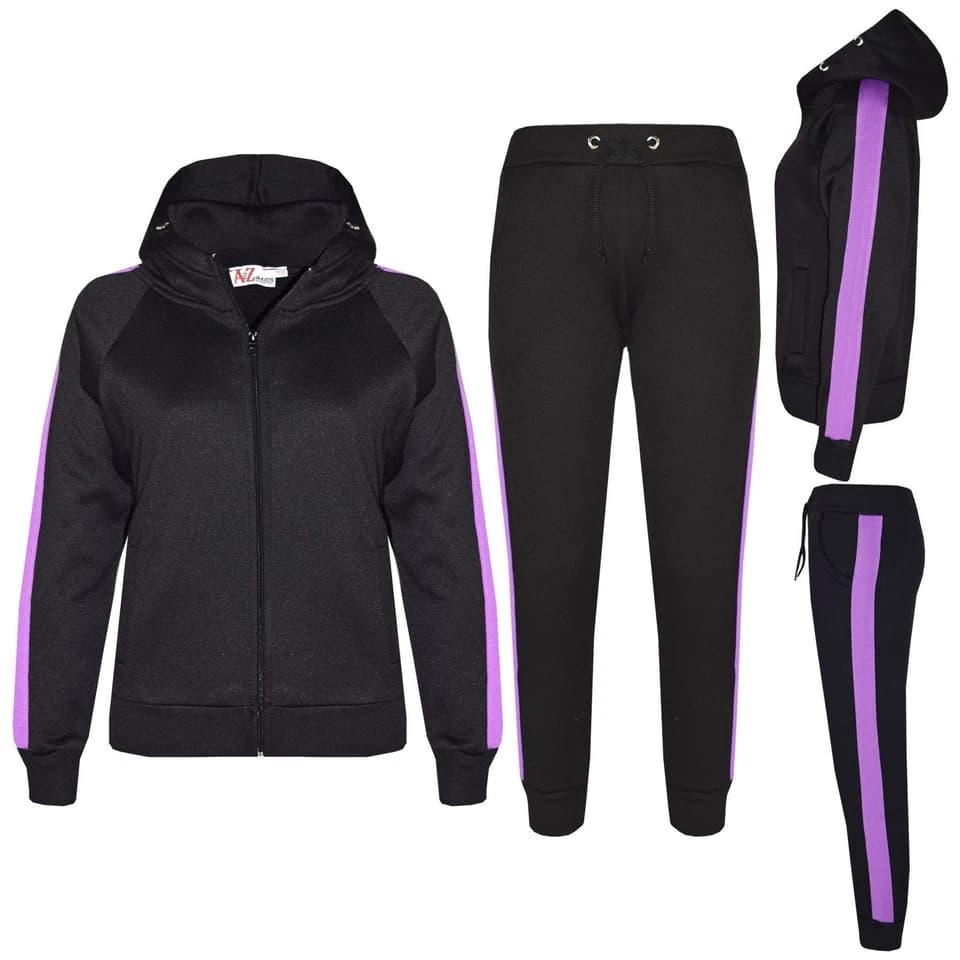
A band buying tracksuits is buying the top end of the merch table. Sets start at $53 at the minimum of 50, each one a hooded top with its matching jogger, and that cost has to sit under a stall price people will pay after a gig. Run size is the decision that makes or loses the money, not the artwork.
How many sets should a first run be?
Fifty, unless you have sold through a hoodie run at the same shows and know the numbers. A co-ord sells at a lower rate than a tee because of the ticket price, so the temptation to order into a cheaper tier is how bands end up storing boxes. Details and colour options are on the wholesale tracksuits page, and the bands and music page covers the rest of a merch list.
If the first fifty clear, the second run is easy to justify and lands in a better tier. Selling out also does something a discount never does, which is make the next drop feel worth queueing for.
What does the stall price have to cover?
The set price, the decoration, the shipping, the venue cut where one applies, and the sets that never sell. Work the margin on the assumption that you shift most rather than all of the run, and the arithmetic stays honest. The discount ladder helps once you are moving volume: tiers run 50-99, 100-249, 250-499, 500-999 and 1,000 or more, reaching up to 35% off the fifty-set price.
Two garments in one bag also justifies a higher price point than fans expect, as long as the joggers look like they belong to the top. Colour matching between the two pieces is the thing people check on the table; getting two garments to actually match explains why that is harder than it sounds.
Is a limited run better than a standing line?
A tour-specific design sells hard for six weeks and then stops. A design without dates or a tour list keeps selling online between cycles and can be restocked without looking like old stock. Most bands run one of each: the dated set as the limited item, and a plain logo set as the line they reorder.
Reorders are where the second design earns its keep, though a repeat run has its own colour considerations. Reordering wholesale tracksuits in colour covers matching a restock to what you sold last time.
When does the order need to go in?
Production is 10-15 working days from artwork approval, then transit to wherever the boxes need to be. Tours make that harder because the boxes need to meet the van, not the office, so most bands ship to a home base and carry the run out with them. A £150 sample, credited against the bulk order, is worth it before a design you will be selling for a year.
What do you do with the sets that do not sell?
Put them online the week the tour ends, while the audience is still thinking about it. A co-ord photographs well and carries enough ticket value to justify its own product page rather than sitting at the bottom of a merch list.
Bundling is the other route: a set plus a tee at a single price moves slow stock without discounting the co-ord itself, which protects the price for the next run. Discounting the headline item teaches an audience to wait, and that habit is hard to unlearn.
Whatever is left after that goes back in the van for the next run of shows, which only works if the artwork has no dates on it. That is the argument for a plain logo design decided at the start rather than regretted at the end.