Print or Embroider Wholesale Tracksuits?
By The Velocity Wear Team
Embroider a small mark, print a large one. That is the short answer for a tracksuit: stitching suits a compact chest or thigh logo and survives heavy washing, while screen printing or DTF handles anything wide, detailed or multi-coloured. The five methods available are screen printing, DTF, embroidery, 3D puff and sublimation, and each suits a different job.
What does each method do well?
Screen printing is the workhorse for solid colours at volume, and the unit cost drops as quantity rises. DTF handles photographic or many-coloured artwork that screens would make expensive. Embroidery gives a raised, permanent mark that reads as considered rather than promotional. 3D puff lifts a bold logo off the surface, which suits streetwear. Sublimation puts colour into the fabric itself but needs a poly-rich base to work at all.
Options and placements are on the wholesale tracksuits page. For the same comparison on a single garment, hoodie decoration options compared is a useful companion.
Where should the mark go on a set?
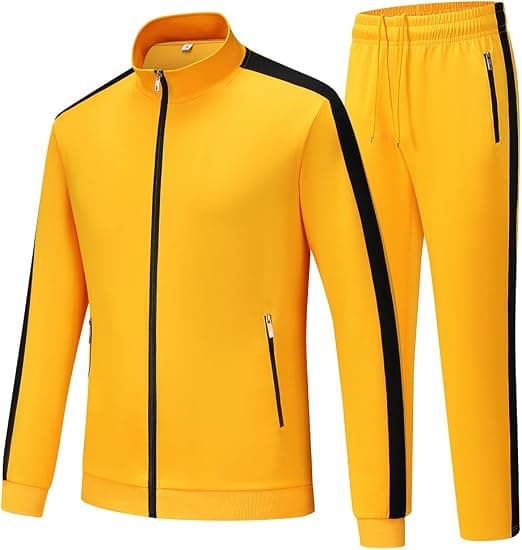
Left chest on the top and upper thigh on the jogger is the combination that looks deliberate on almost any set. Both positions stay flat, neither rubs against anything, and the two together read as a pair rather than as one branded garment with a plain one attached.
Avoid anything across a pocket seam, a zip line or the inside of a thigh. A mark that crosses a construction line distorts as the garment moves, and it wears first at the fold.
How does the method change the price?
Embroidery is priced on stitch count, so a dense or detailed logo costs more than a simple one at the same width, as how embroidery stitch count affects cost explains. Screen printing is priced on the number of colours and the size of the print, which is why reducing a four-colour design to two is often the easiest saving available. Garment tiers are on the pricing page.
None of this changes the minimum. Fifty sets per design applies whichever method you choose, and a design that changes its decoration is a different design.
Which ages best?
Embroidery, comfortably, on a garment washed hard and often. A large solid print is the most exposed to cracking, especially across a chest that flexes. If the set is going into a commercial laundry or onto volunteers who live in it, stitch the mark and keep it small. If the set is selling on a merch table, print it big and accept a different lifespan.
How many placements should a set carry?
Two is usually right, three is the ceiling, and each one is costed separately. A chest mark and a thigh mark cover the set from the front; adding a hood print, a back panel and a sleeve mark to the same garment pushes the cost up while making the design harder to read.
A custom woven neck label is the placement people forget, and it does more for how the set is perceived than a fourth print ever will. Tear-out labels serve the same purpose where comfort matters.
Decide the full list before approval. Adding a placement afterwards is a change to the design, and a changed design carries its own minimum of 50 rather than being folded into the run already scheduled.
If you cannot choose between two methods, describe the wearer instead of the artwork. A garment issued to staff who will live in it wants stitching; a garment sold to someone who wants the graphic wants print. Almost every decoration argument resolves itself once that question is answered first.