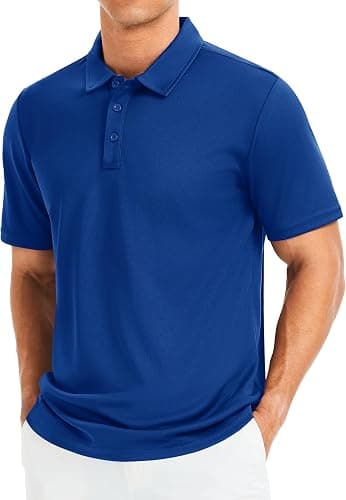
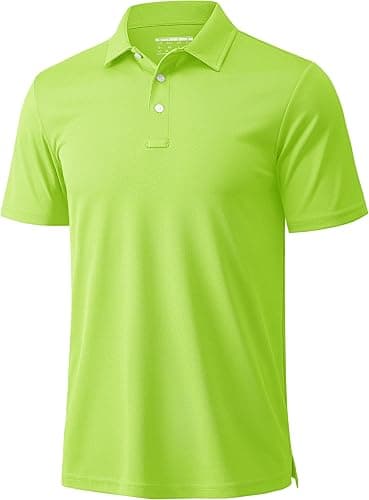
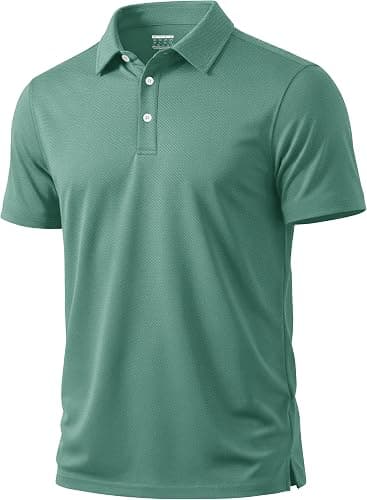
Polo Shirts for Cafes, Ordered Properly
By The Velocity Wear Team
A cafe rarely has fifty staff, so the honest answer is that a 50-piece polo order is roughly two years of kit for a single site. At $18 a piece that is a fixed cost you place once and draw down from, rather than a per-person spend. Multi-site operators clear the minimum immediately and get the better price band for it.
Who on the floor actually needs a polo?
Baristas behind a machine usually want a tee under an apron, because a collar sits awkwardly under a bib and a polo is warmer than a busy bar wants to be. The polo earns its place on the people who talk to customers away from the machine: the person on the till, the supervisor, whoever runs the pass at lunch, and anyone doing deliveries or outside seating. Work out that headcount first. A twelve-person cafe with four polo roles needs perhaps twenty shirts a year once you allow for spills and loss, and fifty covers the rest.
How does a small team reach fifty?
Three ways, and most cafes use more than one. Order two years of stock in one go and keep the spares boxed. Put the same design on a second site or a second unit if you run one. Or add the pieces you were going to buy anyway — an apron run, a batch of tees for the kitchen — and place them together, since the combined quantity across the order is what decides the band. The volume discount reaches up to 35% at the top tiers, which is real money on a fixed annual spend. There is more on how the count is measured in minimum order for wholesale polo shirts.
What does staff turnover do to the size split?
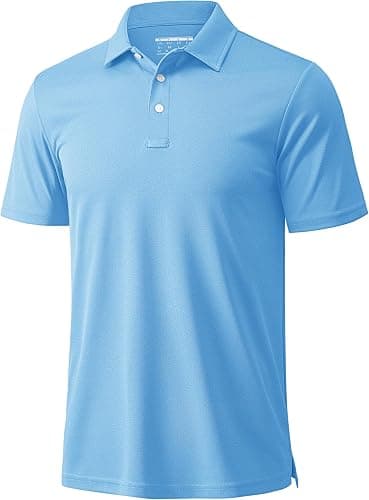
Hospitality turns over faster than almost any other sector that buys uniform, so a size split built from today's rota is out of date within a season. Weight the order towards the middle — small, medium and large carry most of a cafe order — and hold a handful at each end rather than matching the current team person by person. Unisex bodies help here, because a shirt handed back by one leaver fits the next starter more often than a fitted cut does. Our wholesale polo shirts page lists the sizes available for each body.
What should the logo look like on a working shirt?
Small, embroidered, left chest. It survives the wash, it does not crack when the shirt is rammed into a bag at the end of a shift, and it looks correct under an apron bib, which will cover anything larger anyway. If you want the shop name legible from the queue, put it on the back yoke rather than growing the chest mark. Aprons, tees and bags in the same artwork are covered on our restaurants and hospitality page.
How long does the order take?
Ten to fifteen working days from artwork approval, plus transit. The clock starts at approval, not at enquiry, so the fastest thing you can do is send usable artwork on day one. A £150 sample, credited against the bulk order, is worth taking if the shirt is going into a refit or a new site opening and you need to see the colour against the interior before fifty of them arrive.
How do you store two years of shirts?
Badly, in most cafes, because the only spare space is above the dry store and it is warm and damp. Keep the spares in their individual bags inside a sealed box, somewhere dry, and write the size count on the outside of the lid so nobody digs through it. Issue from the front and note what has gone. A stock count on a scrap of paper is enough, and it is the only thing that tells you whether your next order should shift a size up or down.