What Happens if a Size Sells Out Before My Order Runs?
By The Velocity Wear Team
Need this made?Get pricing for this product— free, no obligation, 50 pieces minimum.
Blank garments come from stock that moves constantly, so a size or colour can become unavailable between the moment you are quoted and the moment production is ready to start. When that happens there are three realistic options: substitute an equivalent style, wait for stock to land, or adjust the size split. None of them is neutral, which is why it is worth deciding in advance which one you would prefer.
A Quote Does Not Reserve Anything
This is the part that surprises people. A quote is a price for a described job, not a hold on physical goods. Stock is allocated when the order is placed and processed, and even then, production begins at artwork approval rather than at order placement, so there is a window in which things can move. That window is short for most orders and it is one of several good reasons to approve your proof promptly rather than leaving it for a week.
Option One: Substitute the Style
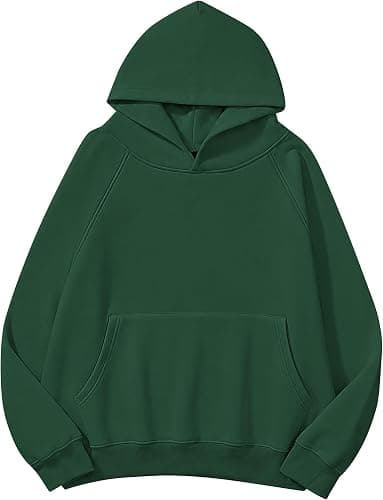
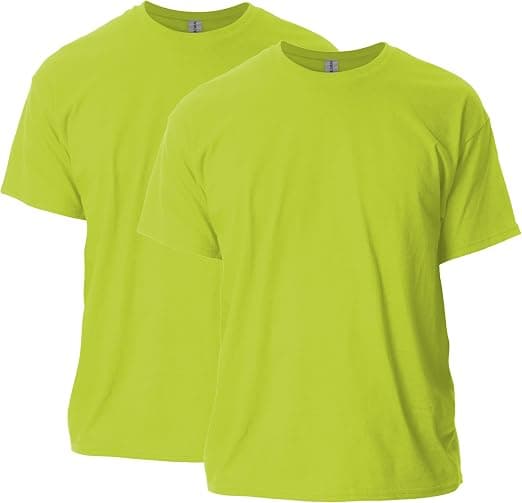
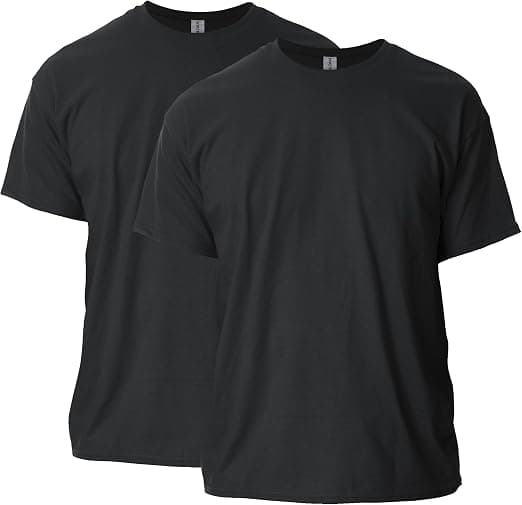
Swapping to an equivalent garment usually protects the deadline, and for many orders it is the sensible choice. It is not a like-for-like swap, though. A different range means a different mill, a different fit and, importantly, a different interpretation of the same colour name. Two garments called navy from two manufacturers are two colours that happen to share a word. On a merch run nobody will ever know. On uniform where the new pieces will stand next to the old ones, it is exactly the sort of thing people notice from across a room.
Option Two: Wait
If the garment genuinely matters more than the date, waiting for stock to be replenished keeps everything consistent. The obvious cost is time, and the less obvious one is that a replenished batch is a new dye lot anyway, so waiting protects the style and fit but not necessarily the exact shade. Worth knowing before you choose it for colour reasons.
Option Three: Change the Split
Sometimes the cleanest answer is to reshape the order. If two larges are unavailable and the recipients are flexible, moving them to the nearest size or reducing the run keeps everything else intact. Since the minimum applies to the order rather than per size, adjusting the split rarely creates a problem with the fifty-piece threshold as long as the total holds.
- Approve artwork quickly, since production and stock allocation both wait on that step.
- Favour core colours in established ranges over seasonal fashion shades if you expect to reorder.
- Avoid building a uniform standard on a line that looks like it is being phased out.
- Order the full requirement, spares included, in one run rather than topping up through the year.
- Name an acceptable substitute in your brief, so a decision can be made without a day of email.
The Sizes Most Likely to Disappear
Availability is not evenly distributed. The popular middle-to-upper sizes in a strong range move fastest and are also replenished fastest. The extended sizes in fashion-oriented ranges are the ones that quietly vanish and do not come back, because they were made in smaller quantities to begin with. If your group includes sizes at the ends of the range and you plan to reorder for years, that should influence which range you standardise on more than the price difference does.
“"Decide now whether the date or the garment is the thing you refuse to move on. Somebody will ask, and it is always on the worst afternoon of the week."”
What We Will Do About It
We flag it rather than quietly swapping something in. A substitution made without telling you is how a team ends up with two subtly different polos and no explanation, and it is worse than the delay it was meant to avoid. If your brief already says what you prefer, we act on that. If it does not, we ask, and the job waits for your answer, which is why the pre-agreed preference is worth the thirty seconds it takes to write down.
Designing an Order That Copes
Orders that survive stock movement have a few things in common. They are placed in one run rather than dribbled out. They use ranges with depth behind them rather than a colourway that happened to be on the front page. They include spares. And they have a written specification, the style code, the colour name and the decoration details, so the next person to order does not have to reconstruct the decision from memory. The free instant price calculator makes it easy to see what consolidating into one larger run does to the cost, and bulk discounts reach up to around 35% as quantities rise, so the resilient approach is usually the cheaper one too.