Neck Labels on Wholesale Tracksuits
By The Velocity Wear Team
A wholesale tracksuit can carry your own woven label in the hood seam, a printed tagless label applied straight to the fabric, or a tear-out size and care label in the side seam. All three are fitted while the garment is being made, which means the decision belongs in the original brief. The jogger needs labelling too, since it is a separate garment even when it is sold as half a set.
Woven or tagless — which belongs in a tracksuit top?
A woven label is a strip of fabric with your mark woven into it, stitched across the inside of the neck. It has weight and texture, it photographs well, and on a retail piece it is what people expect to find. The trade-off is that it sits against the back of the neck. Damp fleece plus a stiff woven edge is the combination that ends with somebody cutting the label out, and a badly cut label takes part of the neck tape with it.
A tagless label is heat-printed directly onto the inside of the garment. Nothing to feel, nothing to cut out, and the artwork can be as detailed as a small print allows. It is the better call for anything worn next to skin or for a squad that trains in it. The comparison runs deeper than this in neck labels: woven, printed or tagless, which covers how each one ages.
Does the matching jogger need its own label?
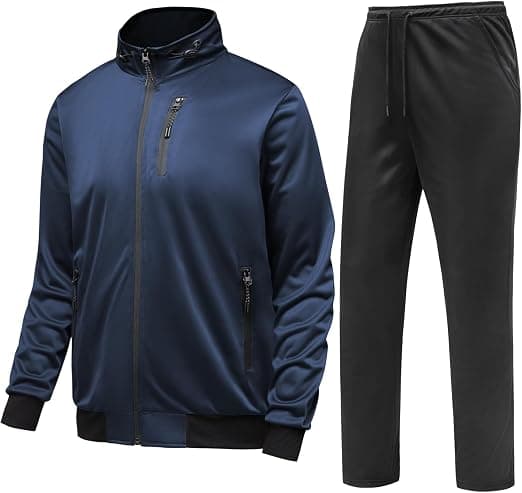
It does. The jogger cannot inherit the top half of the set once the two are separated in a wardrobe, and the size and composition information has to be findable on the garment being worn. Most runs put a tear-out in the jogger side seam and keep the branded neck label for the top, which is the cheaper arrangement and still puts your name where somebody will see it.
If you want both halves branded identically, a small woven flag label on the jogger hip works well and reads as deliberate rather than leftover. Sets like that are quoted per set through our tracksuits range, and the label spec is part of that quote rather than an extra invoice later.
When does the label decision have to be made?
Before production starts, which in practice means before artwork approval. Labels are sourced or printed alongside the garments, so adding a woven label after a run has been cut means unpicking neck tape on every piece — nobody does that at volume, and the honest answer is that it becomes a second order. The 10 to 15 working day production window starts from approval, and the label spec is one of the things being approved.
Bring the artwork in vector form if you have it, with the exact thread or ink colours named. A woven label is made on a loom and cannot reproduce a gradient, so a logo built from soft shading has to be simplified first. If your mark is still being drawn, how to build a brand identity for your clothing label is worth reading before you commit it to a weave.
What else can carry the brand name?
Swing tags on card, hanging from the drawcord or a belt loop. Printed polybags with your mark, so the set looks handled rather than shipped. Tear-out labels in your own artwork rather than a generic template. Terminology for all of this — tagless, tear-away, hem tab, swing tag — is defined on the glossary page if a quote arrives using words you have not met before.
None of it is decoration for its own sake. A set that arrives bagged, tagged and labelled can go straight onto a shelf or into a member pack without anybody touching it first, which is worth more on a 250-set run than it sounds on a 50-set one.