Midweight vs Heavyweight on Tracksuits
By The Velocity Wear Team
Tracksuit fleece runs from about 280 GSM to 450 GSM. Midweight around 280 to 320 drapes softly and wears all year. Heavyweight from roughly 380 upward is stiffer, warmer, and feels substantial the instant somebody picks it up. Heavier fabric costs more per set and takes longer to dry, and both of those matter more than they sound on paper.
What does the weight feel like in the hand?
Midweight fleece folds easily and hangs off the shoulder. Lift it and it gives. Heavyweight holds its own shape, stands away from the body, and makes a boxy cut look deliberate instead of baggy. A shopper reaches that verdict in about two seconds, which is why weight is the most persuasive single line on a retail spec.
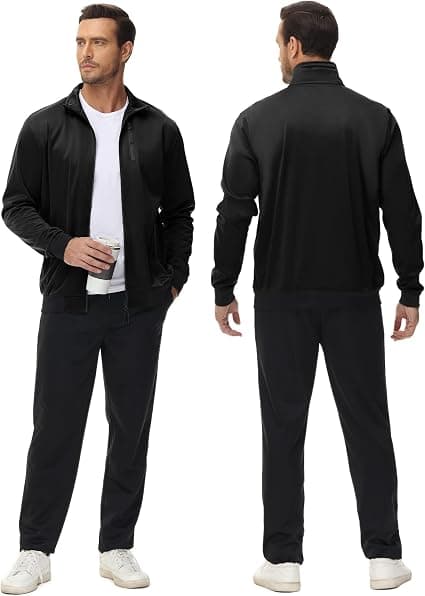
The jogger tells you more than the top. A heavy jogger keeps a clean taper and does not cling, while a midweight one follows the leg. Squad kit pulled on over shorts wants the lighter one.
Weight is also what a customer remembers after the first few washes. A midweight set softens and keeps its drape, while a heavyweight one loses a little stiffness and settles into something that hangs heavier than it looks on the hanger. Neither should change size if the fabric is stable, but they age differently, and a brand selling on handle ought to know which version its buyers will be wearing in month six.
Does a heavier fleece change the set price?
It does, because you are buying more fabric. The $53 per set starting point at fifty on our wholesale tracksuit range is a floor rather than a ceiling, and a 450 GSM set sits above a 280 GSM one. Quantity works in your favour either way, with up to 35% coming off as the order climbs the bands.
Freight is the hidden half of it. Heavy fleece is heavier to ship, and across a thousand sets that lands in the delivery cost rather than the garment cost. Ask what the finished consignment weighs if it is travelling a long way.
Which weight suits which season?
Heavyweight sells from October to February and sits on the rail in July. Midweight moves all year and is the safer pick for a brand carrying one set rather than two. Indoor training kit is nearly always the lighter option, because a 450 GSM top in a warm sports hall is unwearable after ten minutes.
Drying time matters for anybody laundering in bulk. A heavy set takes noticeably longer, and for a club with one machine and two sessions a week that is a genuine constraint rather than a footnote. Our garment comparisons cover the same trade-off on other products.
There is a middle path worth weighing. Some brands run a single weight all year and let the colourway carry the season instead, which keeps the size run simple and the stock liquid across twelve months rather than four.
Which one should you order?
Order heavyweight when the set is a premium retail item, when it is worn outdoors in cold months, or when you want the unboxing to feel like something. Order midweight when it is worn indoors, laundered constantly, sold year-round or shipped a long way. If you cannot separate them, sample both, since the £150 sample fee is credited against the bulk order.
A figure on a spec sheet only takes you so far. GSM explained for buyers covers how fabric weight is measured and why two fabrics quoted at the same number can still feel different in the hand.