Fits and Cuts for Wholesale Tracksuits
By The Velocity Wear Team
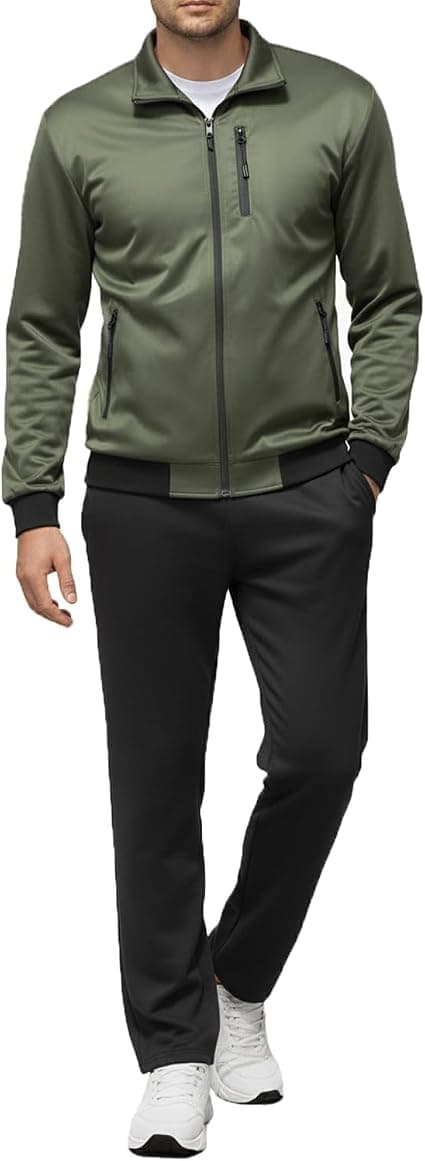
Tracksuit tops come regular, boxy or oversized, and joggers come tapered or straight. Sizes are picked independently for each half, so a set can leave as an extra large top with a large bottom at no extra cost. That single fact resolves more fit complaints than any amount of careful size chart wording ever will.
What do regular, boxy and oversized mean on a set?
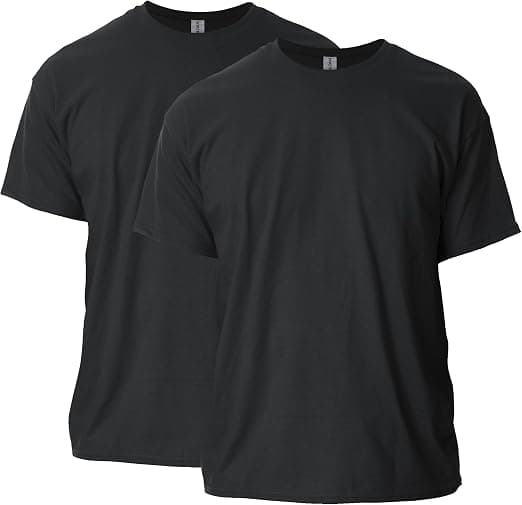
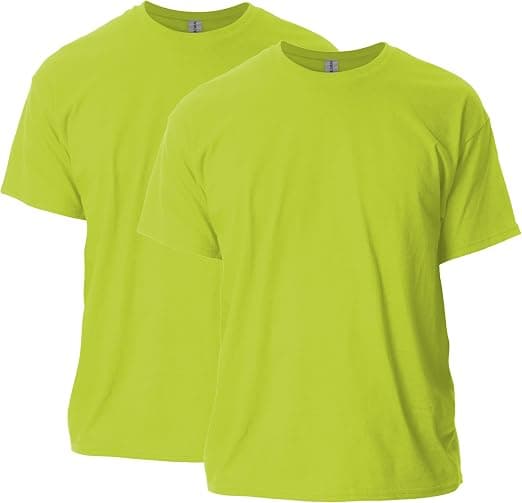
Regular follows the body with normal ease, which is what most club and staff kit uses. Boxy is wider through the chest with a shorter body and a dropped shoulder, so it sits square instead of fitted. Oversized pushes that further, with a longer sleeve and more volume everywhere.
On the bottom half, tapered narrows from the knee into a gathered ankle while straight falls at the same width throughout. Tapered reads sportier and pairs with a boxy top; straight reads more relaxed and suits a regular one. Boxy t-shirts and the streetwear fit covers where the wider cut came from.
Sleeve and body length are where the cuts really separate. A boxy top gains width and loses length, so somebody tall who sizes up for the fit ends up with a garment that is wide rather than long. If your buyers vary more in height than in build, a regular cut with an accurate length chart will fit more of them than an oversized cut across more sizes.
How do you build a size run for a squad?
Measure rather than ask, if the people are in front of you. If they are not, weight the run towards the middle and carry a few at each end. Sizes mix freely inside the fifty-set minimum, so a squad list with three extra larges and twelve mediums is produced exactly as written, with no surcharge for an awkward split.
The common mistake is ordering a grid: ten of each size because it looks tidy on a spreadsheet. Real groups are not evenly distributed, and a tidy grid guarantees leftover extra smalls beside a shortage of larges. Apparel sizing and fit sets out how to build a realistic split.
Can the top and jogger really be different sizes?
Yes, and across a real team most sets are. Shoulders and legs are not correlated, so a squad ordering matched sizes ends up with half the group in a bottom that does not fit. Your order form should ask for two sizes per person and nothing more, because that is all the factory needs from you.
It changes how a set sells at retail too. Listing the two halves as separate size choices in the checkout removes the main reason a customer abandons a co-ord, which is being forced into one size for two garments that fit them differently.
How do you stop fit complaints before they start?
Publish real measurements rather than letters alone. Chest width laid flat, body length, sleeve length, inside leg and ankle opening are what somebody can check against a garment they already own. Our garment glossary explains the terms, and the wholesale tracksuits page lists $53 a set from a minimum of fifty.
Then check them yourself. The £150 sample fee is credited against the bulk order, and measuring that sample against your published chart before the run starts is the least expensive quality control available. A chart that disagrees with the garment is worse than publishing no chart at all.
Photograph the set on more than one person if you can. A single studio shot on one body tells a buyer nothing about how the cut behaves, and two images on different builds remove more uncertainty than another paragraph of measurements. Order your spare sets in the sizes you are least sure about rather than spreading them evenly.