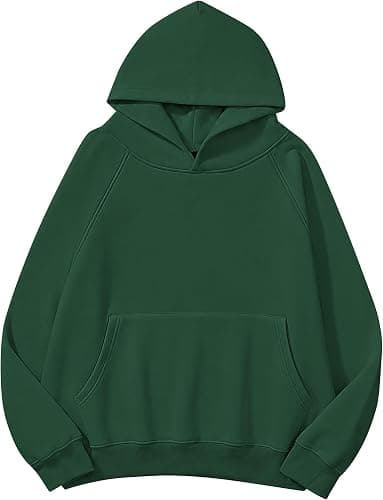
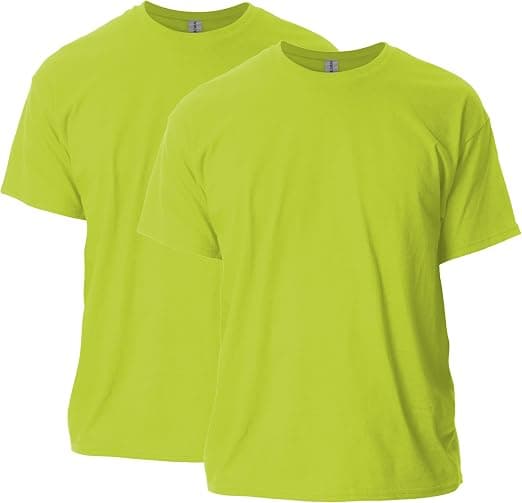
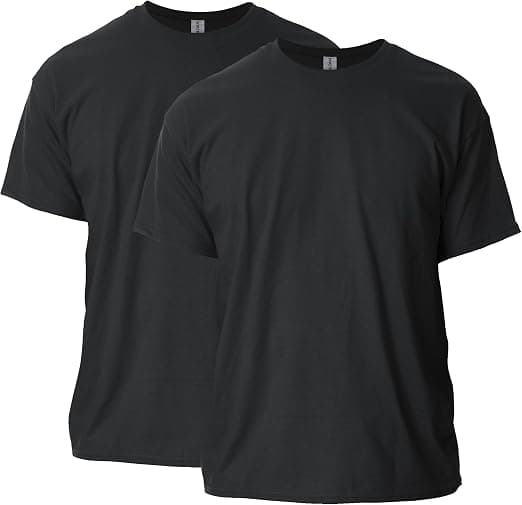
Why You Should Sample Before Committing to a Bulk Order
By The Velocity Wear Team
Need this made?Get pricing for this product— free, no obligation, 50 pieces minimum.
A physical sample answers questions no digital proof can: how the fabric feels, whether the print scale works on a real body, how the colour reads on the actual garment, and what happens after a wash. With a 50-piece minimum and mixed sizes, a first run doubles as a test run before you commit to volume.
What a Screen Cannot Tell You
A design preview shows you layout and proportion, which is genuinely useful — but there is a whole category of things it cannot convey. Fabric hand and weight. Whether a colour that looked right on a monitor reads the same on a grey marl garment. Whether your print, which looked balanced in a mock-up, is actually oversized once it is 35cm across a chest. Whether the neck rib recovers or stretches out. These are the things that decide whether people like the product.
What to Check When It Arrives
Go through it deliberately rather than glancing at it.
- Handle and weight — does the blank feel like the price point you intend to sell at?
- Print scale and placement on a worn garment, not flat on a table. They look different.
- Colour accuracy against your Pantone references, in daylight rather than under artificial light.
- Construction details — neck rib recovery, seam quality, cuff and hem finish, which is where cheaper blanks reveal themselves.
- Wash test one piece. Wash it as a customer would, then check shrinkage, colour and print integrity.
The Wash Test Is the One People Skip
It is also the most informative. Washing a single sample piece at a realistic temperature tells you whether the garment shrinks noticeably, whether the colour bleeds, and whether the print survives. Discovering any of those on a sample costs you one garment. Discovering them after you have shipped 300 to customers costs you the order and the customers. Sacrifice one piece — it is the cheapest insurance in the process.
“"Wash one. It is the only test that tells you what your customer will find out a week after buying."”
Using the Minimum as a Test Run
Orders start at 50 pieces with mixed sizes allowed, which makes a genuine test run practical rather than theoretical. Ordering across the full size range does double duty — it validates the product and it tells you which sizes your customers actually are, which is information you cannot get any other way. Then reorder the proven specification at a quantity where bulk discounts, up to around 35%, meaningfully improve your unit cost.
When Sampling Matters Most
Some orders carry more risk than others and deserve more caution: a first order with a new specification, anything where you are selling to customers rather than giving away, large quantities where a mistake is expensive, garments with unusual finishes like puff or reflective, and uniform that has to be reordered consistently for years. If your order is any of those, testing first is not an optional extra.
Reducing Risk Before You Even Order
Preview placement and scale in the free Design Studio before approving artwork — it catches proportion errors while they are still free to fix. Supply vector artwork and Pantone references so there is less to go wrong. And model your specification and quantity in the free instant price calculator so the step up from test run to volume order is a decision made on numbers rather than instinct.