Samples Before Bulk: A Guide for Retailers
By The Velocity Wear Team
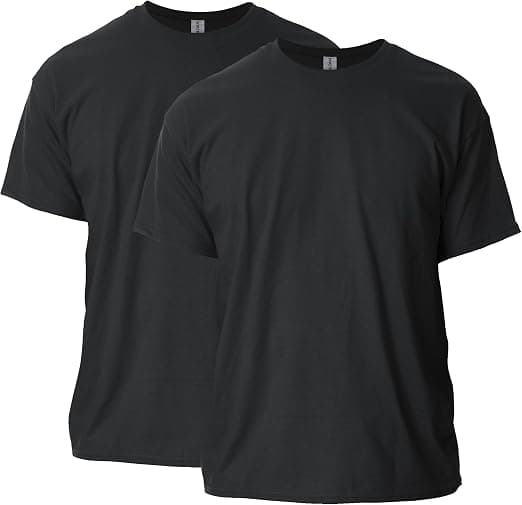
A sample is £150 and is credited against the bulk order when you go ahead, so on a run that proceeds it is a timing cost rather than an extra one. For a retailer it buys the one thing a screen render cannot give you: the finished garment in your hand, at the weight, colour and print size your customer will actually judge.
What does the sample stage cost a shop in practice?
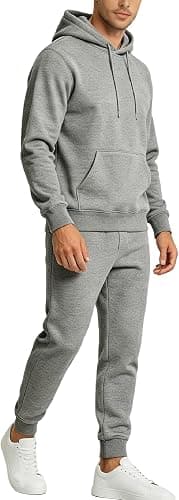
The £150 leaves first and comes back off the production invoice, so the real cost is the week or so it adds at the front of the schedule. Build it into the plan rather than treating it as an interruption. On a 50-piece run of hoodies at $31 the sample is a small fraction of the order value and a large fraction of the risk.
The exception is a shop buying a product it already stocks blank and knows well. Even then, the decoration is new, and how a print sits on that specific body is the part nobody can predict. The samples page covers how the stage is ordered, and the wholesale catalogue shows what can be sampled.
What should a buyer actually inspect?
Work through it in a fixed order so nothing gets skipped.
- Print scale against the body, measured rather than eyeballed, and checked on the largest and smallest sizes you plan to stock.
- Colour of the mark against the garment under shop lighting, which is rarely the lighting the artwork was approved under.
- Fabric hand and weight, since this is what decides whether a customer buys it twice.
- Stitching, seams and the neck label, because those are what a returns conversation is usually about.
- A wash, if the schedule allows. It is the only honest test of how the decoration holds.
The wash test is the one most buyers skip and the one that catches the most. If the timeline is tight, at least wash the sample after you have approved bulk, so you know what to expect before customers find out. AI mockups versus physical samples sets out what a render genuinely cannot show.
When can the sample stage be skipped?
On a straight repeat of an approved design where the garment, colourway and print are unchanged. Anything else is a new specification wearing familiar clothes. Changing the body colour alone changes how the ink reads, and that is enough to justify another £150 on a run you intend to sell at full margin.
If you are choosing between blanks rather than checking one, sample the shortlist together. Comparing two garments side by side is far more useful than comparing one against a memory. How to choose blank garments for printing covers what separates them.
Who should see it before bulk is approved?
Whoever set the shelf price and whoever handles returns. Those two see different problems: one is checking the product justifies the ticket, the other is checking the fit and finish will not come back. Get both to sign the same piece of paper and approval stops being one person guessing.
How should a sample be briefed?
Send vector artwork rather than a screenshot, state the print position as a measurement from the collar seam rather than as high or low, name the garment colour explicitly, and say which size you want the sample made in. Four lines of detail remove almost every reason a sample comes back different from what you pictured.
Choose the size you are least sure about rather than the one you order most of. A medium will almost always look right, so it teaches you nothing. Sampling at the small or the double extra large shows you whether the print scale holds at the ends of the range, which is where the problems actually live.
Then write down what you approved, in measurements. A note saying the chest print is a specified width and sits a set distance below the collar is worth more than a folder of photographs, because it is the thing you can check a later batch against without needing the original garment in your hand.