Reducing Waste When You Order Custom Apparel
By The Velocity Wear Team
Need this made?Get pricing for this product— free, no obligation, 50 pieces minimum.
The largest waste in most apparel orders is over-production — garments made, shipped and stored that nobody buys or wears. Ordering accurately, testing before scaling, and getting the size spread right reduce more waste than any fabric substitution.
Where the Waste Actually Is
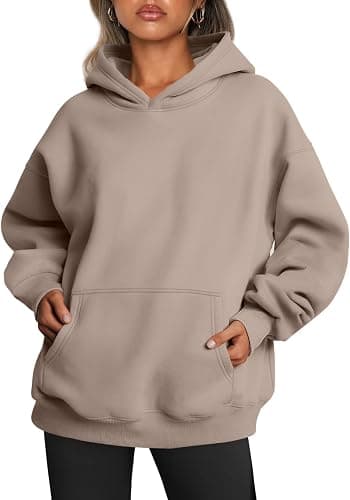
It is easy to focus on materials, because that is what sustainability conversations usually cover. But a garment that is produced and never worn has consumed every resource involved in making it and delivered none of the benefit. Fifty unsold hoodies represent more waste than the difference between conventional and organic cotton across the entire order. That reframes the question from what should this be made of to how many of these do we actually need.
The Size Spread Problem
Waste concentrates in sizes. A run that sells out in medium and large while extra-small and extra-large sit unsold is not fully sold — the leftover sizes are waste, and they are also the reason the order felt more expensive per sold unit than expected. Getting the spread right is one of the highest-impact things a buyer can do, and it is learned rather than guessed.
Where to Start
These are ordinary commercial disciplines that happen to reduce waste.
- Test before scaling. Order at the 50-piece minimum with mixed sizes to learn what sells and in which sizes before committing capital.
- Order to forecast, not to the discount curve. A better unit price on stock that never sells is not a saving.
- Weight the spread by evidence from previous runs rather than by assumption, adjusting each time.
- Choose garments people want to keep. A well-specified piece worn for years has far lower impact per wear than a cheap one discarded after a season.
- Reorder rather than over-order. Production runs around 10–15 working days from artwork approval plus 2–5 working days delivery, which is a manageable cycle if you track stock.
Design for a Longer Life
Some waste is designed in at the artwork stage. A garment tied tightly to a single date — an event year, a specific fixture, a joke that expires — has a short usable life by construction. Designs that remain wearable after the occasion get worn for years, which spreads their impact across far more use. This is also usually the commercially better decision, since the same garment can be reordered rather than replaced with a new design each season.
“"Nothing you can specify about a hoodie matters as much as whether someone actually wears it."”
Dealing With Surplus
Where you do end up with unsold stock, using it beats storing it indefinitely. Bundling slower sizes with popular ones, using surplus as staff kit or giveaways, offering it at events where people can find their own size, or donating it all keep garments in use. What does not help is holding stock for years in the hope demand returns — it occupies capital and storage while degrading in condition.
Ordering Accurately
Bulk discounts reach up to around 35% as quantities rise, which creates genuine pressure to order more than you need. The discipline is to let evidence set the quantity. Model realistic volumes in the free instant price calculator, and preview designs in the free Design Studio before approving so a proofing error does not turn an entire run into waste.