Quality Blanks vs Budget Blanks: Where the Difference Shows
By The Velocity Wear Team
Need this made?Get pricing for this product— free, no obligation, 50 pieces minimum.
Budget blanks are perfectly good for single-use and giveaway garments where the piece will be worn a handful of times. Quality blanks earn their cost when the garment is worn repeatedly, sold to a customer, or has to look consistent across a team. The differences that matter are fabric surface, collar and seam construction, and how consistently the fit scales across the size run.
The Yarn Decides the Print Surface
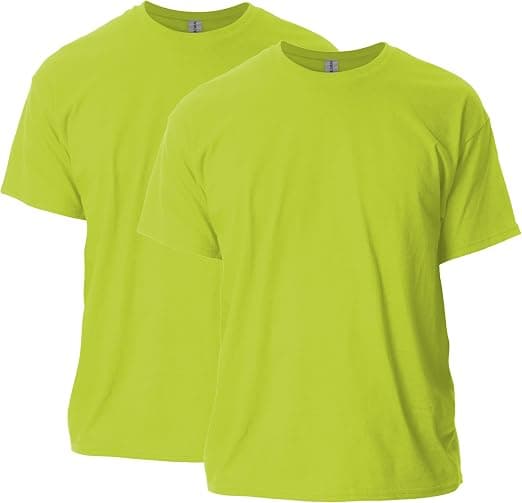
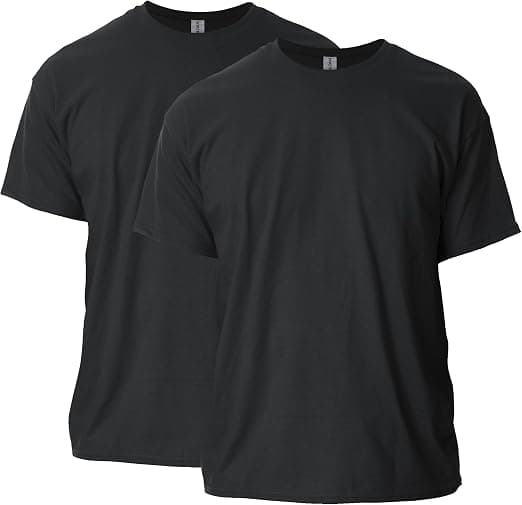
The most visible difference between a cheap tee and a good one is not the weight, it is the yarn. Carded open-end yarn is coarser and has more surface fuzz, which is why a print on a budget tee can look slightly furry up close and why fine lines lose their edge. Ring-spun yarn is smoother and gives the ink a flatter surface to sit on, so the same artwork looks sharper. If your design has fine detail or small text, the blank is doing half the work.
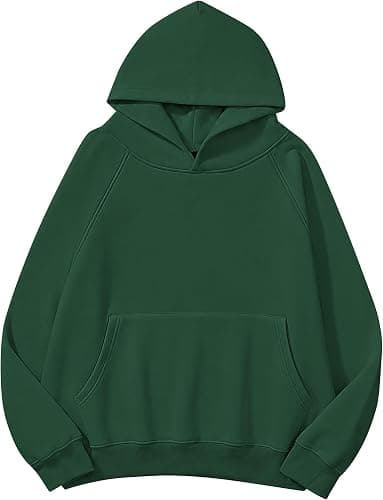
Weight matters too, but not in the simple way people assume. A 180 to 200 GSM tee feels like a garment. A very light tee feels like a giveaway, which is fine if it is one. On hoodies the gap is wider still: a 350 GSM hoodie feels like a product you would pay for, while a 280 GSM one feels like something handed out at a stand.
Collars, Cuffs and the Six-Wash Test
The collar is where budget garments announce themselves. A ribbed collar without proper elastane recovery goes wavy quickly, and once it does the garment reads as old no matter how good the print is. The same applies to hoodie cuffs and waistbands. If you want a quick assessment of a blank, wash it half a dozen times and look at the neckline, not the print.
Side seams are the other tell. Tubular construction is cheaper but tends to twist after washing, so the side seam wanders round the body. Side-seamed garments hold their shape and generally have a more considered fit.
The Problem Nobody Warns You About: Grading
This is the non-obvious one. Budget ranges often grade sizes crudely, scaling a garment up mostly in width rather than adjusting length, shoulder and armhole properly. The practical result is that your small and your 3XL do not look like the same garment on people. The large is boxy, the small is short, and the team photo looks inconsistent even though everyone is wearing the same product.
Better ranges grade more carefully, so the garment reads the same shape across the run. If you are kitting out a team with a wide size spread, this matters more than fabric weight does.
- Budget is fine: one-day events, giveaways, promotional handouts, messy outdoor activities, anything worn once.
- Quality pays: staff uniform, resale merch, club kit, embroidered garments, anything reordered over time.
- Check the collar and cuffs after several washes, not the print. That is where budget shows first.
- Ask about size grading if your run spans small to 3XL or beyond.
- Never mix ranges within one team order. Two "navy" garments from different sources will not match.
Colour Consistency and Dye Lots
Two garments described as the same colour can differ noticeably if they come from different ranges, and even within a range, different dye lots can vary slightly. This bites hardest when you order tees now and matching hoodies later, or when you top up a uniform order months down the line. If exact matching matters, order the full quantity in one run rather than in stages, and expect some drift if you cannot.
“"Nobody compliments a good blank. They just keep wearing it, which is the entire point."”
Method Changes What the Blank Needs to Do
Embroidery is unforgiving on thin, loose knits. A stitched logo pulls at lightweight jersey and can distort without proper backing, which is why embroidered work usually goes on heavier tees, polos, sweatshirts and structured outerwear. Screen printing wants a smooth surface, so ring-spun cotton flatters it. DTG is cotton only and rewards a fine, tightly knitted surface. DTF is the most forgiving across cotton, blends and polyester, and sublimation needs polyester with a light base regardless of garment price.
Deciding Without Overthinking It
Ask one question: how many times will this be worn? Under five, buy sensibly and spend nothing extra. Over fifty, the cost per wear makes the better blank cheaper in real terms, and it protects the impression your brand makes every time someone puts it on. You can compare garment options and see live pricing in the free instant price calculator, and preview your design on the garment in the free Design Studio. Velocity Wear works from a 50-piece minimum per order with sizes mixed freely, and bulk discounts reach up to around 35% as quantities rise.