Private Label vs White Label Clothing: What's the Difference
By The Velocity Wear Team
Need this made?Get pricing for this product— free, no obligation, 50 pieces minimum.
White label means selling an existing generic product under your own branding. Private label means a product made to your specification and sold exclusively as your brand. Most custom apparel sits between the two: existing blanks decorated and labelled as yours.
The Three Levels
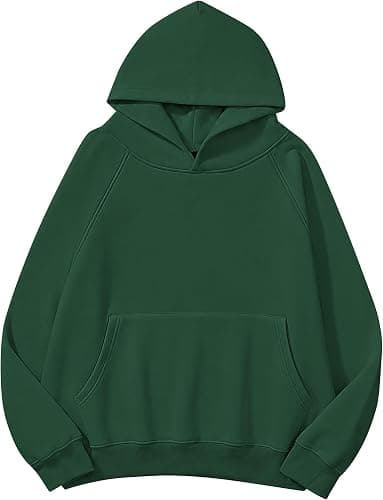
It helps to think of a spectrum rather than two categories. At one end, decorated blanks: an existing garment with your design printed or embroidered on it, possibly with your own neck label. In the middle, white label: an existing product, unmodified in construction, sold entirely as your own with your branding throughout. At the far end, private label or cut-and-sew: garments made to your own pattern, fabric and construction, existing only as your brand.
Where Most Brands Actually Operate
Almost all clothing brands, including many well-known ones, work with existing blanks for a long time. There is nothing lesser about it — the garment quality is determined by which blank you choose, and a heavyweight ringspun tee with your branding is a better product than a poorly executed cut-and-sew one. What changes as you move along the spectrum is control and cost, not automatically quality.
What Each Level Gives You
The trade-offs are consistent.
- Decorated blanks: lowest minimums, fastest turnaround, lowest risk. You control design, garment choice and branding, but not fit or construction.
- Own labelling on blanks: adds woven labels, neck prints and care labels so the product reads as yours rather than as a decorated blank. A small step with a disproportionate effect on perceived value.
- Private label and cut-and-sew: full control of pattern, fit, fabric and construction — and substantially higher minimums, longer timelines, sampling costs and risk.
When to Move Further Along
The signal is usually a specific, repeated constraint rather than ambition. If you consistently cannot find a blank with the fit you want, if customers repeatedly ask for something no available garment provides, or if your volumes are high enough that per-unit savings from bespoke production outweigh the setup — those are reasons to move. Wanting to be a real clothing brand is not one, because you already are.
“"Cut-and-sew solves a problem. If you cannot name the problem, it is an expensive way to feel legitimate."”
The Middle Ground Is Underrated
Adding your own woven neck label or neck print, plus a care and composition label, to a well-chosen blank costs relatively little and changes how the product is perceived substantially. A customer checking the collar finds your brand rather than someone else's. For most labels this is the highest-value step available, and it is achievable long before bespoke manufacturing becomes sensible.
Putting It Into Practice
Whichever level you are at, the fundamentals hold: choose the blank deliberately, document your specification so reorders reproduce it, and test before committing to volume. Orders start at 50 pieces with mixed sizes allowed, with bulk discounts up to around 35% as quantities rise. Preview branding and placement in the free Design Studio and model options in the free instant price calculator.