Private Label vs White Label Apparel Explained
By The Velocity Wear Team
Need this made?Get pricing for this product— free, no obligation, 50 pieces minimum.
Private label and white label are two of the most confused terms in apparel, and the confusion is expensive because they lead to genuinely different businesses. Choosing the right model shapes your margins, your timeline, how distinctive your products are and how much creative control you keep. Here is the difference, made clear.
The core distinction
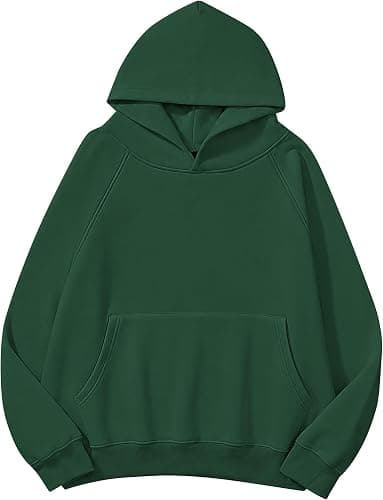
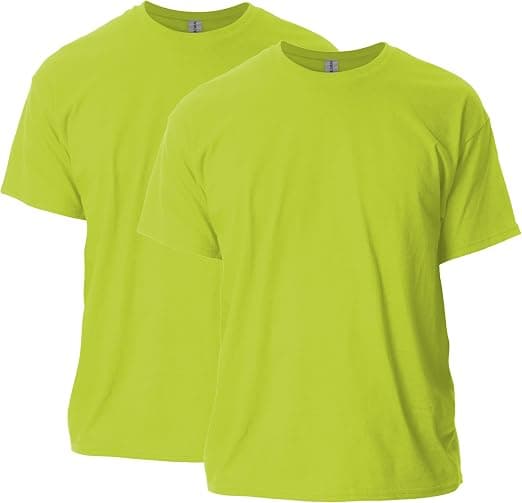
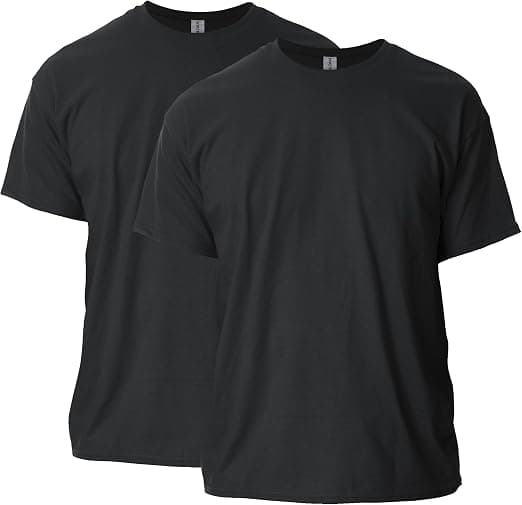
White label means a generic, ready-made product that a manufacturer offers to many buyers, and you simply add your branding. Private label means a product made specifically to your specifications — your design, your fabric choices, your fit — and produced exclusively for your brand. White label is “rebrand the existing”; private label is “build your own”.
White label: speed and simplicity
White label is the faster, lower-risk entry point. Because the garment already exists, you skip development and sampling cycles, order against known products, and get to market quickly. The trade-off is distinctiveness: competitors can buy the same blank and brand it differently, so your edge has to come from design, branding and marketing rather than the product itself.
- Faster to launch — no garment development needed.
- Lower upfront cost and lower MOQs in many cases.
- Predictable, proven products with known fit and quality.
- Less differentiation — others can sell the same base garment.
Private label: control and identity
Private label is where a real, defensible brand is built. You control the fabric weight, the cut, the colours, the trims and the details, producing something that is genuinely yours. It demands more investment, longer lead times and higher minimums, but it gives you a product no competitor can simply replicate by buying the same blank.
- Full control over fabric, fit, colour and construction.
- A genuinely distinctive product competitors cannot copy off the shelf.
- Stronger brand identity and customer loyalty over time.
- Higher MOQs, more development time and greater upfront investment.
Branding sits on top of both
It is worth clearing up a frequent misconception: branding — your logo via screen print, DTF or embroidery, plus custom labels and packaging — can be applied to both models. White label with custom branding still looks like your brand; the difference is whether the underlying garment is exclusive to you. Custom woven labels and branded packaging can make even a white-label product feel premium.
White label lets you launch a brand. Private label lets you own one. Most successful businesses do the first to start and the second to scale.
Which model fits your situation
There is no universally right answer — only the right answer for your stage, budget and ambition. Use these questions to decide.
- Are you testing a market or committed to a long-term line? Testing favours white label.
- Is your budget tight, or can you fund development and higher MOQs? Tight favours white label.
- Do you need a distinctive product, or is your edge in design and marketing? Distinctiveness favours private label.
- How fast must you launch? Speed favours white label; a strong moat favours private label.
A common, sensible progression
Many brands start white label to validate demand cheaply and quickly, then move best-sellers to private label once they know what sells. This staged approach limits early risk while building toward genuine product ownership. There is no shame in starting simple — the mistake is over-investing in a private-label line before you have proven the market wants it.
Match the model to a capable partner
Whichever route you choose, you need a manufacturer comfortable with it — quick, consistent branding for white label, or genuine development capability for private label. The best partners can support you across both as you grow, so you are not forced to switch suppliers when you scale up.
Velocity Wear handles both — branded white-label production and full private-label custom apparel including custom labels and packaging — from a 50-piece minimum with tiered discounts and tracked delivery to the UK, USA, Europe and worldwide. Tell us where you are in your journey and we will recommend the right model and send a free quote.