Mixed-Size Orders: How Minimum Quantities Actually Work
By The Velocity Wear Team
Need this made?Get pricing for this product— free, no obligation, 50 pieces minimum.
Velocity Wear's minimum is 50 pieces per order with sizes mixed freely inside that run — not 50 of each size. That distinction is the difference between a small brand being able to test across a full size range and having to commit to a much larger order.
Per Order Versus Per Size
This is the question worth asking any supplier, because a stated minimum on its own does not tell you much. A minimum of 50 per size across a six-size range is effectively a minimum of 120 pieces. A minimum of 50 per order with mixed sizes is genuinely 50 pieces — you might order two small, four medium, six large, four extra-large and so on. For a new brand or a small team, those are completely different propositions.
What Mixing Allows
The practical consequences are larger than they first appear.
- Testing a design across a full size range before committing capital, which tells you what your customers' sizes actually are.
- Kitting out a small team where everyone is a different size, without ordering surplus in sizes nobody needs.
- Covering a society, club or venue with a wide size spread in a single run rather than several.
- Ordering a realistic first run rather than a quantity dictated by the minimum rather than by demand.
Planning Your Spread
Mixing freely does not mean the spread does not matter. New brands consistently misjudge it, typically ordering too many at the extremes and too few in the middle. Without sales history, the sensible approach is to weight towards the middle of the range while still covering the ends, then let the first run's results shape the reorder. Where you can collect actual sizes — a team, a society, a staff group — do that rather than estimating, and have a size guide available because people guess low.
Minimums Apply Per Order, Not Per Product
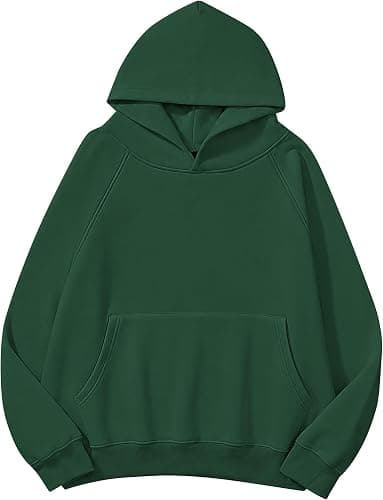
This is worth knowing when planning a range. Because the minimum is per order, combining products into a single run is often possible where ordering each separately would not be — and it lifts your combined quantity, which lands better on the discount curve. Bulk discounts reach up to around 35% as quantities rise, so a hoodie and tee order placed together reaches a better per-piece cost than the same total split across two orders, each paying its own setup.
“"Fifty pieces per order and fifty pieces per size are the same number describing two completely different businesses."”
Using the Minimum Strategically
The most effective pattern for a new brand is deliberate: order the minimum across a full size range, sell it, observe what moved and in which sizes, then reorder at a quantity where discounts meaningfully improve your unit cost. That converts the minimum from a constraint into a low-cost research exercise, and it means your first significant capital commitment is made against evidence rather than instinct.
Checking the Numbers
The free instant price calculator shows live pricing as you change garment, method and quantity, which makes it straightforward to see where the volume breaks fall and whether adding pieces to the current order costs less than a separate run later. For most growing orders, it does. Preview designs in the free Design Studio before approving so the test run tests the product rather than the proofing.