Microfibre Shedding: What It Is and What Actually Reduces It
By The Velocity Wear Team
Every wash of a synthetic garment releases tiny fibres into the water. They pass through treatment plants and end up in waterways. It is one of the clearer environmental problems with synthetic clothing, and it is largely absent from how apparel is marketed — including by brands whose sustainability story is recycled polyester.
The recycled polyester point, first
Recycled polyester sheds the same as virgin polyester. It is chemically the same polymer. A brand positioning rPET as the answer to plastic in the environment is addressing feedstock, not shedding, and those are different problems.
This matters because it is a common and reasonable customer misunderstanding, and repeating it in marketing is the kind of implied claim that green-claims rules cover.
What actually affects how much a garment sheds
- **Fabric construction.** Loosely constructed, brushed and fleeced surfaces shed considerably more than tightly woven or smooth-faced knits. A brushed-back fleece has an enormous amount of exposed fibre end by design.
- **Cut edges and finish.** Raw edges and heavily abraded finishes release more. Well-bound seams release less.
- **Garment age.** Shedding is typically highest in the first several washes and settles afterwards, which is why a new fleece is the worst offender in the load.
- **Wash conditions.** High agitation, high temperature and long cycles increase shedding. So does a partly loaded drum, because garments move more.
What reduces it
- 1**Choose natural fibres where the application allows.** Cotton sheds too, but cellulose fibres biodegrade in a way polyester does not.
- 2**Prefer tightly constructed synthetics** where synthetic is the right choice. A smooth-faced technical knit sheds less than a brushed fleece.
- 3**Wash cold, full loads, shorter cycles.** This reduces shedding, saves energy and extends garment and print life at the same time.
- 4**Wash less.** Most garments are washed more often than they need. Airing works.
- 5**Filters and wash bags** capture a meaningful proportion. Some markets are moving towards requiring filtration in new washing machines.
What this means when specifying merch
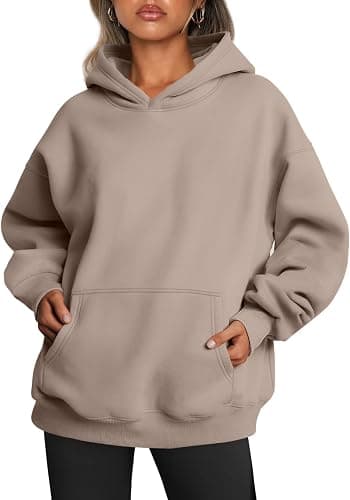
If you are choosing between a cotton-rich fleece and a polyester one for a hoodie, and performance is not the deciding factor, cotton-rich is the better answer on this axis. It is also usually the better answer on hand feel, which makes it an easy decision.
Where polyester is genuinely the right fibre — sports kit, outer shells, anything needing moisture management — specifying a tighter face construction reduces shedding without giving up the performance you chose it for.
How to talk about it
Care instructions are the honest place. "Wash cold, full loads, inside out" reduces shedding, saves energy, and makes prints last longer. That is a genuinely useful message with no claim attached — and telling customers something that helps them is worth more than a badge.