How Should I Store Branded Stock?
By The Velocity Wear Team
Need this made?Get pricing for this product— free, no obligation, 50 pieces minimum.
Store branded apparel folded flat in sealed boxes, kept dry, dark, off the floor and at a stable room temperature, then rotate it oldest first. The three things that ruin stored stock are damp, sunlight and heat, and heat is the one that specifically attacks the print rather than the garment. Get those right and printed clothing will sit happily for years without deteriorating.
Damp, Light and Heat, in That Order of Damage
Damp is the fastest killer. Cotton pulls moisture out of the air and holds it, and a garage or cellar that feels merely cool to you often sits at a humidity that will grow mildew in a cardboard box over one winter. Mildew stains do not wash out. Sunlight is slower but just as permanent: direct light fades dyed fabric unevenly, so a stack near a window ends up with a bleached top layer and a perfect one underneath. Heat is the one people underestimate, and it is why prints stick.
Why Heat Makes Prints Stick to Each Other
Plastisol and DTF prints are plastic films cured onto fabric. They are stable at room temperature, but when a stack of shirts sits in a loft through August with fifty garments of pressure on the bottom layer, the film softens fractionally and takes an impression of whatever it is pressed against. Pull them apart in September and the surface can look scuffed, or a faint mirror of the print above can transfer onto the garment below. This is blocking, and it is entirely preventable.
The fix is simple. Fold so that print never sits directly against print, keep stacks low, and never store decorated garments anywhere that gets hot. Lofts, conservatories, near radiators and the back of a van in summer are all bad ideas.
Fold Away From the Print
A hard crease through the middle of a large print will eventually show, especially on thick plastisol where the fold line can craze. Fold so the print stays flat within one panel of the garment, or fold print-side inwards with a sheet of plain paper between the faces. Tissue or plain copier paper is fine. Newspaper is not; the ink transfers. For heavily decorated pieces held long term, rolling loosely is gentler than folding, though it takes more space.
Boxes Beat Bags, and Both Beat Hangers
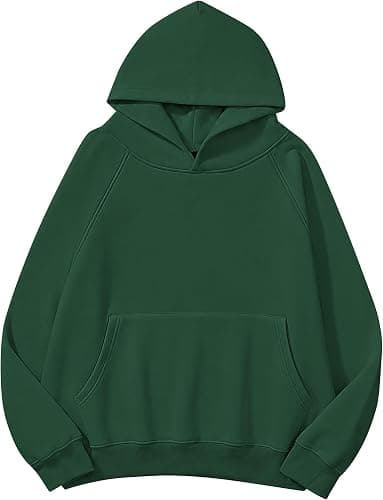
Individual polybags are useful for keeping dust off and for picking single orders quickly, but a bag is not a seal against humidity and a sealed bag containing a slightly damp garment is worse than no bag at all. Put bagged garments into a lidded plastic crate or a taped cardboard box, and raise the box off a concrete floor on a pallet or a shelf, because concrete wicks moisture upwards. Long-term hanging is the worst option for knitwear: shoulders stretch, hoods pull out of shape, and the weight of a heavyweight hoodie works against it every day it hangs.
Label the Outside of the Box
Nothing wastes an afternoon like opening nine boxes to find one size. Write the contents on two sides of every box, because boxes get stacked and you will only be able to see one face. Record enough that you never have to open it speculatively.
- Design name and version, so you do not accidentally ship last season's logo alongside the new one.
- Garment style, colour and the exact size split, with counts rather than approximations.
- The month and year the order was produced, which is what drives rotation.
- The decoration method, because it tells you how the contents want to be handled and how heat-sensitive they are.
- A running count you cross out and update whenever you take stock out, so the box always tells the truth.
Rotate Oldest First, and Count Honestly
First in, first out is not just for food. Older stock has had longer to absorb humidity and more chance of the design being superseded. Put the newest boxes at the back. Then count what you actually have twice a year, not what the spreadsheet claims. Branded stock leaks: pieces get taken for photography, given to a new starter, handed out at an event and never recorded. A spreadsheet that says forty and a box that holds twenty-six is how event orders get placed too late.
“"Dead stock in a loft is not an asset. It is a decision you already made, sitting in a box, going out of date."”
How Much to Hold in the First Place
Storage discipline only matters if you are holding a sensible quantity. Bulk discounts reach up to around 35% as volumes rise, which creates a real pull towards over-ordering, and the 50-piece minimum per order with sizes mixed freely means you do not have to. The useful question is not what your cost per piece would be at a higher quantity but how long that quantity will take to move. Stock that clears in six months is inventory. Stock that clears in four years is a cupboard you cannot use, and the design will probably change before it empties.
The Reorder Trap Storage Creates
Here is the part that catches people out. If you deliberately hold back a small buffer expecting to top it up later, be aware that garment dye lots shift between production runs. A hoodie ordered next year in the same colour name may not be an exact match for the one sitting in your box, and the difference is most obvious when the two are worn side by side. If a set has to look identical, order the whole set in a single run and store the spares. Topping up later is fine for giveaway tees and risky for uniform.