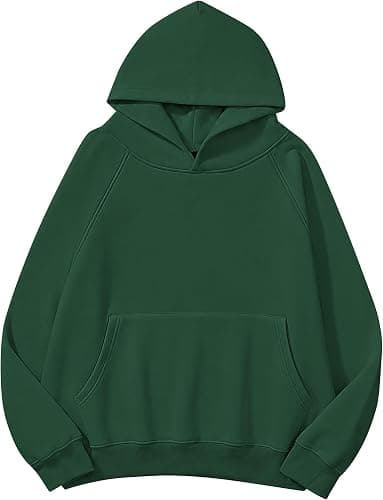
How Many T-Shirts Should I Order for an Event?
By The Velocity Wear Team
Need this made?Get pricing for this product— free, no obligation, 50 pieces minimum.
For staff and crew shirts, order one per person plus a handful of spares for spills, late additions and the person who turns up needing a different size. For giveaway shirts, order to the number you can realistically hand out in the hours you are there, not to expected footfall, since the two numbers are nothing alike. Our minimum is 50 pieces per order with sizes mixed freely, so you are never forced into 50 of one size.
Crew Shirts and Giveaway Shirts Are Two Different Calculations
Crew shirts have a known denominator. You have a rota, you know who is on it, and the only uncertainty is late changes and the odd ruined shirt. Order to headcount, add a few spares in the middle sizes, and you are done. Giveaways have no denominator at all, which is why people over-order so badly. Footfall past a stand is not demand, and demand is not throughput. Treat them as separate problems and you stop conflating a marketing number with a production number.
The Size Curve Matters More Than the Total
Getting the total right and the spread wrong still leaves you with a pile of unusable shirts. Adult unisex runs weight heavily toward the middle: medium, large and extra large will absorb the bulk of any general audience. Small and extra small move slowly unless your crowd skews young. Above extra large, demand tails off but never disappears, and running out at the top end is the version of this mistake that people actually notice and resent. If you are ordering fitted or women's cut alongside unisex, remember they size differently, so you need two curves, not one split down the middle.
Why Mixed Sizes in One Order Changes the Maths
The minimum applies to the order, not to each size. Fifty pieces can be four smalls, six mediums, six larges, three extra larges and one 2XL if that is what the job needs. This is worth spelling out because a lot of buyers assume a per-size minimum and inflate their order to match a rule that does not exist. If your event genuinely needs 34 shirts, order 34, spread across the sizes you actually need.
Giveaways: Count Handout Rate, Not Passers-By
One person on a stand can only find a size, hand it over and have a short conversation so many times an hour. Two people roughly double it, but you also need someone watching the stock. Work out how many hours you are actually handing shirts out, multiply by a realistic rate per staffed position, and order to that. It is almost always a smaller number than the one in the original plan. Fewer, better shirts also handle out better than a mountain of thin ones, because the moment people can see the quality, they start queueing for the right size rather than grabbing anything.
The Non-Obvious Rule: Leave the Date Off the Shirt
This is the point that saves the most money and gets ignored most often. A shirt printed with a specific date or a year becomes worthless the day after the event, so leftovers are pure waste and you are forced to order tight, which is how you run out. Print the brand, the event name, the joke, the artwork. Leave the year off. Now every leftover is stock: onboarding gifts for new starters, prizes, giveaways at the next thing, replacements for the crew shirt someone ruined. Dated designs are self-destructing inventory, and they turn a sensible over-order into a bin bag.
Rounding Up Where the Price Break Sits
Unit cost falls as quantity rises, with bulk discounts reaching up to around 40 percent on larger runs, which means the jump from a slightly awkward number up to the next band sometimes costs very little in absolute terms. Before you finalise, put both numbers through the free instant price calculator and look at the difference. If ten more shirts costs almost nothing, take the ten shirts, because undated stock keeps and a stockout at the event does not.
Work the Deadline Backwards From Artwork Approval
Production starts when artwork is approved, not when the order is placed, and that gap is where event orders go wrong. Screen printing and embroidery run to around 10-15 working days from approval, and sublimation or complex jobs run nearer 15-20. Add UK delivery, which is typically 2-5 working days after dispatch. Then work backwards from the event date and set yourself an artwork approval deadline, not an order deadline. The approval date is the one that matters.
- Crew shirts: headcount, plus a few spares concentrated in the middle sizes.
- Giveaways: hours on the stand multiplied by a realistic handout rate per person.
- Weight the size curve toward M, L and XL, and never run out at the top end.
- Leave the year and date off the artwork so leftovers stay usable.
- Set an artwork approval deadline, then count production and delivery forward from it.
“"Print the event, not the date. A dated t-shirt is a bin bag with a deadline."”