How Do I Know What Quality I Am Getting?
By The Velocity Wear Team
Need this made?Get pricing for this product— free, no obligation, 50 pieces minimum.
Most of it is readable from the specification, provided you know which details carry information: the fabric weight in GSM, the yarn type, the seam construction and the finish. The rest, how the garment behaves after a wash, you only learn by washing one, which is the strongest argument for treating a first order as a test. Ask for the style code rather than a description, and half the uncertainty disappears immediately.
The Numbers That Actually Mean Something
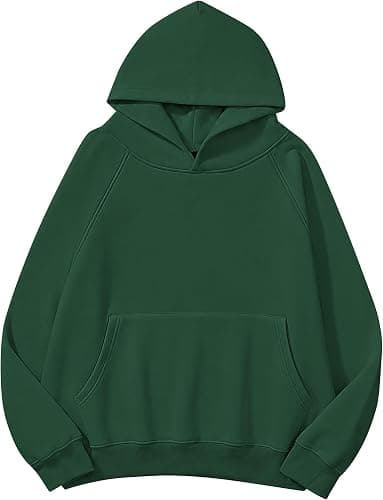
GSM is grams per square metre, and it is the single most useful figure on any garment spec. A tee around 140 to 150 GSM is a promotional garment: fine for a one-day event, thin in the hand, and likely to lose its shape. Somewhere around 180 GSM and above, a tee starts to feel like a product people keep. Hoodies follow the same logic further up the scale, where a 280 GSM piece reads as light and a 350 GSM one has weight and structure. GSM does not tell you everything, but it is the number that cannot be spun.
The Words That Mean Nothing
Premium, heavyweight, luxury and superior are adjectives with no agreed definition. Any of them can sit on a product page above a specification that contradicts them. This is not usually deception so much as habit, but the effect is the same: if a description is entirely adjectives and contains no figures, you are being told how to feel rather than what you are buying. Ask for the numbers. A supplier who has them will send them in a minute.
Yarn Is the Difference You Feel
Two tees at identical GSM can feel completely different because of how the yarn was made. Ringspun cotton is spun in a way that produces a smoother, stronger, softer yarn. Carded open-end yarn is cheaper, coarser and more prone to pilling, which is why a budget tee gets bobbly at the shoulders after a few washes while a better one does not. Combed cotton goes a step further by removing the shortest fibres. If a spec mentions ringspun or combed, that is a real quality signal. If it mentions nothing, assume the cheaper route.
The Construction Details Worth Checking
Fabric is only half a garment. The sewing determines whether it stays a garment.
- Twin-needle stitching at the hem and sleeves, which holds up far better than a single line of thread.
- Ribbed cuffs and hems that spring back when stretched, rather than staying wherever you left them.
- A taped or bound neck seam, which stops the collar stretching out and is a reliable marker of a better blank.
- Side-seamed rather than tubular construction on tees, which gives a cleaner shape that survives washing.
- A collar on a polo that holds its own weight, since a floppy collar is what makes cheap staff kit look cheap.
Decoration Quality Is a Separate Question
A beautiful print on a poor blank still fails, and an excellent blank can be ruined by careless decoration. On prints, the failure mode is under-curing: the ink was not heated properly, so it cracks or peels in the wash even though it looked perfect on delivery. On embroidery, the failure mode is inadequate backing on a lightweight garment, which lets the stitching pucker and distort the fabric around the logo. Neither is visible in the box. Both are visible after one cycle in a machine, which is the whole reason to run that cycle before you place a larger order.
“"You are not buying a hoodie. You are buying a yarn, a weight and a set of seams, and only one of those three ever makes it onto the product page."”
The Wash Is the Only Honest Test
Wash one garment at the temperature your people will genuinely use, not the one printed on the label, and then look at four things: how much it shrank, whether the body twisted out of line, how the print or stitching survived, and whether the fabric surface has started to pill. That is a five-minute inspection that tells you more than any amount of comparison shopping. It is also the only test that reproduces what your customer or your staff will experience in week two.
Keeping the Quality You Chose
Quality is not just what arrives, it is what keeps arriving. Write down the style code, the colour name, the decoration method, the print size and the position, and keep one sealed reference garment out of sunlight. Without that record, the next order is placed from memory by whoever happens to be doing it, and the specification quietly drifts downwards one substitution at a time. With it, you can hand the whole thing to a new person and get the same garment back.
How to Ask So You Get a Real Answer
Do not ask whether the quality is good. Everyone says yes. Ask what the GSM is, whether the cotton is ringspun, whether the neck is taped, and which style code is being quoted. Those questions have factual answers, and the way they are answered tells you as much as the answers themselves. From there, the free instant price calculator shows how the cost moves as you change garment and quantity, so you can see exactly what stepping up a grade of blank actually costs before you decide whether it is worth it.