How Do I Brief a Clothing Supplier Properly?
By The Velocity Wear Team
Need this made?Get pricing for this product— free, no obligation, 50 pieces minimum.
A good brief answers five things up front: what the garment is, how many and roughly what size split, where the decoration goes and how big, what the artwork is in a usable file, and when you need it in hand. Get those five down in one message and a supplier can quote accurately first time instead of sending you three questions and losing two days. Most delays in custom clothing are not production delays; they are the days spent waiting for a decision or a better file.
The Five Things, in Order
Garment: style, colour and any preference on weight or fit. If you do not know, say what it is for and let the supplier propose. Quantity: a total, plus an indication of the size split even if it is provisional. Placement: where the design goes and how big, in millimetres. Artwork: the actual file, not a photo of a screen. Deadline: the date you need it in your hands, and what that date is tied to.
Say the Constraint, Not the Solution
This is the single most useful habit and hardly anyone does it. People send a brief specifying a method they half-remember reading about, and in doing so they quietly rule out a better option.
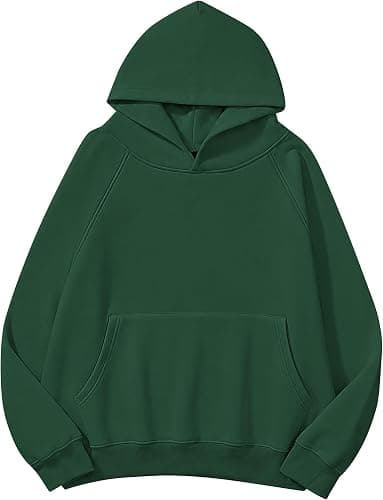
"Quote me for three-colour screen print on 60 hoodies" locks the method. "60 dark hoodies, this logo, worn by staff at outdoor events, budget is tight, needs to last" gives the supplier everything needed to recommend the right method and to point out that dropping one colour would remove a screen. State what you are trying to achieve and what limits you, then let the person who does this daily choose the tooling.
Artwork Files That Actually Work
For screen printing and embroidery, send vector artwork: AI, EPS or a proper vector PDF, with fonts converted to outlines so nothing reflows on a machine that does not have your typeface. For DTF and DTG, a high-resolution raster file at final print size with a transparent background is fine, and often better than a vector auto-traced from a bitmap.
Include Pantone references if a colour is critical to your brand, and say so plainly. Do not send a JPEG lifted from your website, a logo embedded in a Word document, or a screenshot. Every one of those costs somebody an hour of rebuilding, and rebuilt artwork is never quite your artwork.
Placement in Millimetres, Not Adjectives
"Chest logo" is not a specification. Left chest or centre chest? How wide? How far below the collar seam? A logo that looks right at 80 mm wide can look lost at 60 mm and shouty at 120 mm, and that difference is invisible until fifty garments are finished.
Give a width in millimetres and a vertical reference point. If you are unsure, lay it out in the Design Studio and look at it on the garment, or take a garment you already own, measure where an existing logo sits, and use that as your reference.
The Deadline Question People Get Wrong
Lead times run from artwork approval, not from the moment you place the order, and that distinction is where most missed deadlines come from. If artwork sits in someone's inbox for a week awaiting a sign-off, the clock has not started.
As a rough shape, screen printing and embroidery sit at around 10 to 15 working days from approval, with sublimation and complex jobs nearer 15 to 20, and UK delivery typically taking 2 to 5 working days after dispatch. Work backwards from the date you need the garments, add the approval round trip, and only then decide whether the timeline is realistic.
Committee approval is the quiet killer of timelines. If four people need to see the proof and two of them are on leave, the job stops and nobody is at fault. Nominate one person who can say yes, tell the supplier who that is, and let them approve small adjustments without another round.
A Brief You Can Copy
- Garment: style, colour, and any fit or weight preference, plus whether ladies fit is needed alongside unisex.
- Quantity and size split, with a note on whether the total is fixed or flexible around a price break.
- Decoration: position, width in millimetres, and reference point, for each print or embroidery location.
- Artwork: correct file type for the method, fonts outlined, Pantone references if colour is critical.
- Dates and people: the in-hand date, what it is tied to, and the single named person who approves the proof.
“"Every question a supplier has to ask you is a day. Answer five of them before they are asked and you have bought yourself a week."”
Record Everything for the Reorder
The brief is not finished when the goods arrive. Somebody will ask for fifty more, and the difference between a smooth reorder and starting from scratch is a short set of notes.
Write down the exact blank code and colour name, the size split you actually used, the decoration method, the print or thread colours, the placement measurements, and where the final approved artwork file lives, somewhere your successor can find it.
What You Do Not Need to Specify
You do not need to know the method, the mesh count or the ink type, and you do not need to have costed it yourself, although the instant price calculator gives you a live figure as you change garment, method and quantity.
Since Velocity Wear is an online supplier with no physical shop, the whole exchange happens in writing, and that is an advantage: everything is recorded, nothing depends on someone's memory of a phone call, and the proof you approve is the thing that gets made.