How Do I Avoid Running Out of Popular Sizes?
By The Velocity Wear Team
Need this made?Get pricing for this product— free, no obligation, 50 pieces minimum.
Order to a size curve rather than an even split. For a general UK adult audience, weight the middle of the range heavily and keep the extremes thin, then add a small buffer on the sizes you expect to sell out. The reason to get this right first time is cost: a second run repeats the setup charges and starts a new production lead time, so topping up is always more expensive per piece than over-ordering slightly was.
Why Even Splits Fail
An even split assumes body sizes are distributed evenly, and they are not. Real demand clusters heavily in the middle of the range, thins out at both ends, and the tail at the large end is longer than the tail at the small end. Split a run evenly and you will exhaust the middle sizes early while a stack of the smallest and largest sits untouched. That leftover stock is not just wasted money, it is money that was taken out of the sizes you needed.
Building a Sensible Starting Curve
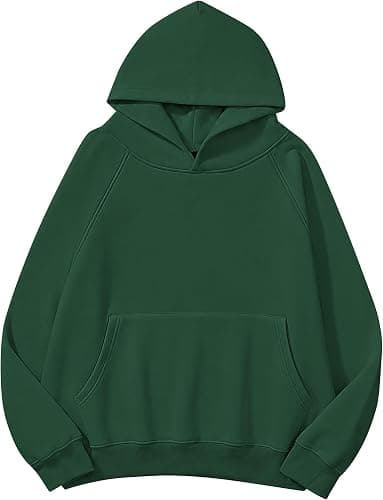
Without data of your own, the safe shape is a curve peaking at large, with medium close behind, XL a strong third, then falling away sharply on either side. Small and 2XL get modest quantities. XS and 3XL are worth a couple of pieces only if you genuinely have people who need them. Skew the whole curve up a size for hoodies and sweatshirts, because people buy those looser deliberately, and down a size for fitted women's cuts, which run smaller than the label suggests.
Adjust the curve to the audience rather than copying it blindly. A rugby club skews larger. A dance school skews smaller. A general staff team of mixed ages sits close to the standard shape. If you have run an order before, your own record of what went first is worth more than any generic curve.
Pre-Orders Give You Data, With a Catch
Collecting sizes before you order is the most accurate method available, and it has two well-known failure modes. People choose the size they intend to be rather than the size they are, and a meaningful number simply never fill the form in. So take pre-order data as a strong signal rather than an exact instruction, publish actual chest measurements alongside the size labels to reduce optimistic guessing, and add a margin on top of what the form says instead of ordering it literally.
Buffer Stock Beats a Second Run
This is the argument that persuades most people once they have been through it. A reprint is not a continuation of your original order, it is a new order: setup charges apply again, the 50-piece minimum applies again, and the lead time starts again from artwork approval. Meanwhile every additional piece on the original run pushes you further into the bulk discount bands, which climb towards around 35% as quantities rise. Adding a handful of extra mediums and larges to the first order is almost always cheaper than needing them later.
The Consistency Problem Nobody Warns You About
There is a second reason buffer stock wins, and it has nothing to do with money. Garments are dyed in lots, and two batches of the same colour code ordered months apart can differ slightly in shade. Screen printing inks are mixed per run, so a reprinted logo may not be an exact match either. Nobody notices this on a single garment. Everybody notices it when half a team is in slightly different navy in the same photograph. If visual consistency matters, produce the whole quantity in one run.
Practical Rules That Reduce the Risk
None of this needs a spreadsheet model. A few habits cover most of it.
- Weight the middle of the range and keep XS and 3XL to genuine known requirements only.
- Publish chest measurements, not just letters, so people order the size they actually are.
- Add a buffer to medium, large and XL rather than to the whole range evenly.
- Order the full quantity in one run to keep dye lots and ink batches consistent.
- Size up the curve for hoodies and down for fitted women's cuts.
“"The leftovers are always the sizes nobody asked for, and they were paid for out of the sizes everybody did."”
Style Changes the Curve
The same group of people will order different sizes in different garments. Hoodies get bought a size up for a relaxed fit, so a curve that peaks at large in tees often peaks at XL in hoodies. Polos tend to run true to size and closer to the body, so people order their real size and sometimes size up for comfort at the collar. Unisex tees are cut boxy through the body, which is why women in a mixed group often take a size down from what they would buy in a fitted style. If your order spans several garment types, do not apply one curve across all of them.
If You Do Run Short
It happens. When it does, DTF or DTG are usually the better methods for a small top-up, because neither carries per-colour setup, and a short run does not get penalised the way a screen-printed reprint does. Order the same garment code and colour, accept that the shade may not be a perfect match to the first batch, and where possible give the newer pieces to people who were not in the original group photograph. The free instant price calculator will show you what the top-up costs against simply having ordered more in the first place, which is a useful lesson to take into the next run.