Restocking Branded Kit for Gyms
By The Velocity Wear Team
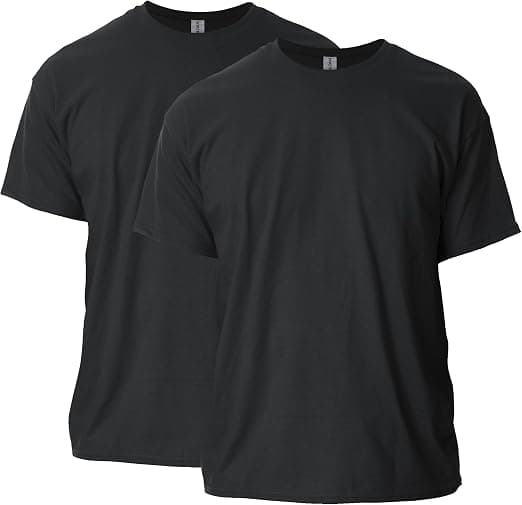
A gym should reorder branded kit when stock falls to roughly six weeks of cover, not when it runs out. That figure covers the 10 to 15 working day production window, transit, and the days your own approval takes. Quote the previous job reference so the restock matches, keep one unwashed piece from each run as a physical reference, and keep the fit unchanged between batches.
When should a gym place its second order?
Earlier than instinct suggests. Most clubs place the first order, watch it sell faster than expected, and then start the reorder conversation once the popular sizes have already gone. By that point the shelf has been half empty for a fortnight and a further three weeks of production is ahead. Setting a trigger level and ordering against it removes the judgement call entirely.
A simple rule works well: when any single size in your core garment drops below a fortnight of cover, start the reorder for the whole line. Waiting for the total to fall is misleading, because a rail full of double extra large is not stock in any useful sense. The gyms and fitness page sets out the wider kit programme, and the wholesale range has the entry prices you will be re-quoting against.
Will the restock match the first batch?
Closely, if you give production the right reference. Quoting your previous job reference recovers the exact garment, colour, artwork and placement that were used, which removes most of the drift. What cannot be eliminated entirely is dye lot variation in the garment itself, which is why keeping one unwashed piece from the original delivery is worth the single garment it costs.
Do not match against a hoodie that staff have been wearing for a year. You would be matching to the faded version, and the new batch would come back deliberately wrong. Seal one piece away the day the delivery lands and label it with the date and the job reference.
How much buffer stock is sensible?
Enough to cover the lead time plus the uncertainty, which for most gyms means six to eight weeks of normal sales on the core lines and rather less on anything seasonal. Holding more than that ties up money in cotton, and holding less means you spend the year in a permanent state of nearly running out.
- Core evergreen items such as t-shirts and caps justify the deepest buffer, since they never date.
- Hoodies deserve a seasonal buffer built before autumn rather than a flat one across the year.
- Event or campaign items should carry almost no buffer, because they lose value the day the event passes.
- Staff kit should be held at headcount plus a margin, not at a sales-based level.
The mechanics of setting those levels are covered in when to reorder and how much buffer to hold.
Should you change the design on a reorder?
Resist the urge unless there is a reason. A restock of the same design is fast, matches what members already own, and keeps your sales data meaningful. A redesign restarts the artwork round, may require a new sample, and splits your stock into two visually different generations on the same rail.
Where a change is justified, make it a deliberate new drop rather than a quiet substitution: sell the old version through, then launch the new one. Each new design carries its own fifty-piece floor anyway, so treating it as a separate launch matches how the order actually works. Building that cadence into a calendar is covered in setting up a reorder schedule.