What a US Brand Should Settle Before Its First Bulk Order
By The Velocity Wear Team
There is a version of a first apparel order that goes badly, and it is remarkably consistent. The garments arrive on time, made exactly as specified, and the brand owner opens the box and feels their stomach drop — because the navy is a shade off, or the print sits an inch higher than the mockup implied, or two thirds of the run is in sizes nobody is going to buy. Nothing was broken. The specification was just thinner than everybody assumed.
This is a list of what to nail down before a US brand puts money into production, and — just as usefully — what you can leave loose. Not everything needs deciding on day one. But the things below get expensive the moment fabric is cut.
Settle these before you approve anything
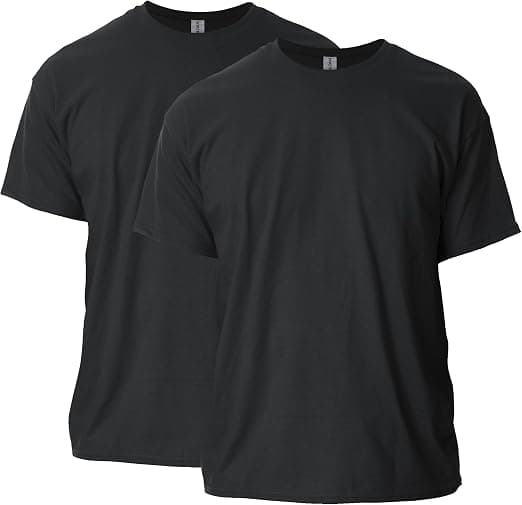
- 1Colour, written as a Pantone reference rather than a word. "Black" covers a range wide enough to argue about, and two garments described as black from different mills will not sit together on a rail. Pick the reference, get it confirmed, and it stops being a conversation.
- 2The blank. Weight, fit, fabric composition and construction. In the US this is normally discussed in ounces per square yard, which matters because a supplier quoting grams and a buyer thinking in ounces can agree on a number and mean different garments.
- 3Print placement, in measurements from a fixed point — usually inches down from the high point of the shoulder, and centred or offset by a stated amount. A mockup is a picture, not an instruction.
- 4Your labelling. In the US this is a legal requirement rather than a branding choice, and it has to be right on the first run because relabelling a delivered order by hand is genuinely miserable work.
- 5The size split. Not the size range — the actual quantity per size, which is a forecast and should be treated as one.
The labelling one is not optional
US brands are frequently surprised by this. A garment sold in the United States has to carry fibre content, the identity of the company responsible for it, and country of origin — and separately, permanently attached care instructions. That is federal law under the Textile Fiber Products Identification Act and the Care Labeling Rule, not a nice-to-have your supplier can skip because you did not mention it.
The practical consequence for a first order is that your neck label content needs to exist before production, not after. We can produce woven or printed labels to your artwork as part of the run, but only if we know what they need to say. Send the wording with the artwork and it costs you nothing extra in time. Send it after the garments are made and you are looking at a hand-sewing job. There is more detail in the US labelling guide.
The size split is a forecast, so forecast it
The instinct is to order evenly across the range, because it feels fair and requires no thinking. It is almost always wrong. Most brands sell a middle-weighted curve — a lot of M and L, meaningfully fewer XS and XXL — and the shape of that curve depends on who you sell to. A women-led fitness brand and a men-led skate brand do not have the same split, and ordering as though they do leaves you with dead stock in one direction and stockouts in the other.
You will not get this right on order one. You cannot; you have no data. What you can do is order small enough that being wrong is cheap, and then use the sell-through from that run as the input to the next one. Our minimum is 20 pieces per design, mixed sizes included, which exists precisely so a first order can be a genuine test rather than a bet.
What you can safely leave
- Custom packaging. Nice, and worth doing eventually, but a poly bag does not lose you a sale on your first drop and the money is better spent on the garment.
- A full size range. Launching in four sizes and extending later is a normal thing to do, and it halves the forecasting problem while you have no data.
- Multiple colourways. One colourway per design on the first run, two at most. Colour is the fastest way to double your inventory risk without doubling your addressable market.
- A second product category. Hoodies and tees behave differently commercially, and running both on a first order means you learn half as much about each.
Sample first, and actually wear it
A sample is not a formality. Put it on, wash it the way your customers will wash it, and look at it after. That is the only way you find out that the print cracks at the fold, or the neck relaxes, or the fit you loved flat on a table is not the fit you want on a body.
Sampling adds time before bulk, and the temptation on a tight launch date is to skip it. The maths on that is bad: a sample costs you a couple of weeks, and a wrong bulk run costs you the whole run plus the couple of weeks anyway.
Then the boring commercial bits
Confirm the currency you are invoiced in — we invoice in seven, USD included, so a US brand does not have to convert a quote to work out whether it fits the budget. Confirm the lead time and what it is measured from; ours is 10 to 15 working days from artwork approval, before freight, and the "from artwork approval" clause is the part that decides your launch date, because artwork approval is the step you control.
And confirm who is importing. If you are the importer of record into the US, that comes with paperwork and a customs entry in your name. If you are buying delivered, it does not. Neither is wrong. Knowing which one you agreed to before the shipment is at the border is the part that matters.