Custom Blanks vs Branded Blanks: What to Do First
By The Velocity Wear Team
Need this made?Get pricing for this product— free, no obligation, 50 pieces minimum.
For almost every brand, the right move is a stock blank with your own neck branding on it. It is inexpensive, it changes how the garment reads instantly, and it removes somebody else's brand from your product. Fully bespoke manufacturing only makes sense once the blank itself is the thing holding you back, which is much later than most people assume.
What People Actually Mean by These Two Terms
A plain stock blank is a garment from an existing range, printed or embroidered with your design but still carrying the blank manufacturer's neck label and care label. A branded blank is the same garment with that labelling replaced by yours: your neck print or woven label, your own care label, sometimes a hem tab.
Neither of these is bespoke manufacturing. Bespoke means specifying the fabric, the pattern and the construction, then having garments cut and sewn to your spec from scratch. It is a genuinely different business decision with a genuinely different minimum, and it belongs at a different stage.
Why Neck Branding Punches So Far Above Its Cost
The neck is the first thing a customer looks at when they pick up a garment, and the last reminder of who made it every time they put it on. If it carries somebody else's logo, you have effectively advertised a competitor's blank range inside your own product. Worse, an experienced buyer will recognise the blank and work out roughly what you paid for it.
Replacing that label does not improve the garment. It does not need to. It changes the story the garment tells, which for merch and streetwear is a meaningful part of what people are buying.
The Relabelling Options, Cheapest First
There is a ladder here, and most brands should start at the bottom of it.
- Neck print: your logo printed directly inside the collar, usually on a blank with a tear-away label. Cheapest, softest against the skin, and no stitching to unpick.
- Printed care label: your washing and composition information printed inside alongside the neck print, so the garment reads as yours all the way through.
- Woven or satin label sewn in: the most premium feel, but the original label has to be removed first, which leaves visible needle holes if it was stitched into the seam.
- Hem tab or sleeve tab: a small branded detail that costs little and signals a considered product.
- Full bespoke manufacture: your own fabric, pattern and fit, at a far higher minimum and a much longer timeline.
The Detail That Trips People Up
If a blank has a stitched-in woven label rather than a tear-away one, removing it means unpicking the neck seam. Done well it is fine. Done at volume by somebody rushing, you get puckered seams and needle holes that show against a dark fabric. If you know you want your own label, choose a blank with a tear-away label from the start, or go with a printed neck instead and avoid the problem entirely.
Also, do not lose the information that was on the original label. Fibre composition and care instructions need to stay with the garment somewhere. Requirements for what must appear on clothing labels and how change over time, so check current official guidance on GOV.UK rather than copying what another brand has done.
What Stays Fixed No Matter How You Label It
Relabelling changes the branding, not the garment. The fit, the fabric weight, the colour range and the size curve all remain whatever the blank supplier decided. If your complaint is that the body is too long, the neck rib too tight, or the exact colour you want does not exist, no amount of labelling fixes that.
That is the honest boundary. Relabelling solves a branding problem. It does not solve a product problem.
When Bespoke Manufacturing Genuinely Makes Sense
There are real reasons to go bespoke, and they are all product reasons. You need a fit that does not exist in any blank range. You need a fabric weight or composition nobody stocks. You need a colour matched to something specific. You are selling at a volume and price point where the blank range is now limiting how the product is perceived.
Notice that none of those is "we want our own brand". You can have your own brand on a stock blank tomorrow. Going bespoke before you have proven demand ties up cash in a fit you have never tested, at minimums far above the 50 pieces per order that stock blanks allow.
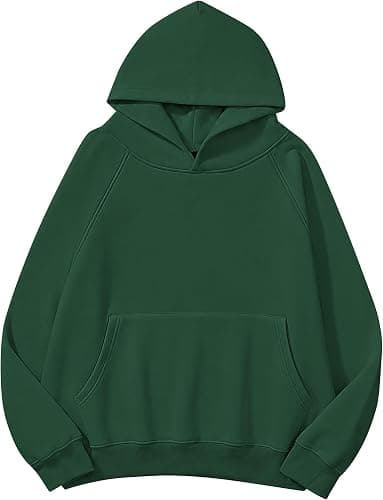
“"Nobody buys a hoodie for its neck label. Plenty of people put one back because of it."”
A Sensible Order to Do Things In
Start on stock blanks with no relabelling and find out whether the design sells. Add a neck print and your own care label on the second or third run, once you know which blank you are standing behind. Add a woven label or hem tab when the product is established and you want the extra weight of finish. Only look at bespoke manufacturing when you can name the exact garment specification you cannot buy off the shelf.
That sequence keeps your money in inventory that sells rather than in a fit sample nobody asked for.