Can I See the Garment Before I Order?
By The Velocity Wear Team
Need this made?Get pricing for this product— free, no obligation, 50 pieces minimum.
Velocity Wear is an online supplier with no physical shop to visit, so the practical way to get a garment in your hands is to place a small first order. The minimum is fifty pieces per order and sizes mix freely within that run, which means a first order can be a deliberate test rather than a commitment: a handful of sizes, your real artwork, the garment you are considering standardising on.
What You Can Assess Without Touching Anything
More than people assume. The specification tells you the fabric weight in GSM, the composition, whether the fabric is ringspun or carded, and how the fit is cut. The free Design Studio lets you lay your artwork on the garment and see how the placement and scale actually work, which catches the two most common regrets before they cost anything: a logo that is smaller than you imagined and a print that sits too low on the chest. None of that requires a sample.
What a Screen Will Never Tell You
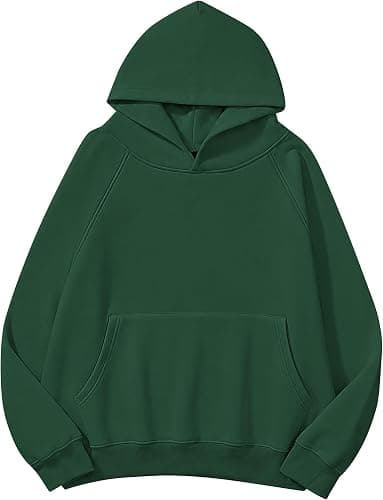
Hand-feel, drape and recovery are physical properties and they stay physical. A proof shows you a flat image on a flat rendering. It cannot show you whether the fleece inside a hoodie is dense or wispy, whether the cuffs snap back after being pushed up a forearm, whether a polo collar stands or flops after a day, or how much a tee clings. These are exactly the things people describe afterwards when they say a garment felt cheap, and they are the reason a first run in hand is worth more than a fortnight of comparing product pages.
Using the First Order as the Sample
Because the minimum applies per order rather than per size, fifty pieces can cover a realistic spread and still be a modest commitment. Order the garment you are most likely to standardise on, put it on real people, and treat it as an evaluation rather than a delivery. The pieces are not wasted: they are useful kit either way, which is the difference between a test run and a sample charge.
- Wash one immediately, at the temperature your team will genuinely use rather than the one on the label.
- Put one on the person hardest to fit, because they will find the problem faster than anyone else.
- Check the print after that first wash, not before, since curing problems show up in the machine.
- Keep one garment sealed and unwashed as your reference for future orders.
- Write down the style code and colour name straight away, while it is still in front of you.
Test the Garment You Are Worried About
If you are torn between two blanks, put both in the same order. Garment types can generally be mixed within a run, so a split between the safe option and the one you suspect might be better answers the question in one go instead of two. Comparing them side by side in the same delivery is a far more honest test than comparing a garment you have to a memory of one you had.
“"A garment settles an argument in the ten seconds someone spends putting it on. A specification sheet takes a fortnight and never quite manages it."”
What a Test Run Cannot Tell You
Be realistic about the limits. A first run tells you about this garment from this batch. It does not tell you how the colour will sit against a run ordered next year, because fabric is dyed in batches and shades move. It does not tell you how the garment looks after fifty washes, though one wash tells you a surprising amount about shrinkage, twisting and how the print behaves. And it does not tell you whether your artwork works at a different size, so if you plan to scale the print later, test the size you actually intend to use.
Then Scale With Real Information
Once the test run has answered the questions, the full order becomes straightforward and considerably cheaper. Bulk discounts reach up to around 35% as quantities rise, so the second order is where the savings live, and it is a much better order for being placed by someone who has held the garment. Production begins at artwork approval, with screen printing and embroidery running around 10-15 working days from that point and more complex jobs nearer 15-20, so build the test into your timeline rather than treating it as a delay you cannot afford.