Sizing a Clothing Order for Cafes
By The Velocity Wear Team
Weight a cafe size curve towards the middle. Small teams turn over quickly, so the pieces you order today mostly get worn by people you have not met, and the middle sizes are the ones that fit the widest range of them. A workable 50-piece split is five small, fifteen medium, sixteen large, ten XL and four 2XL, adjusted for the team you have standing behind the counter now.
Which size curve fits a cafe rota?
Cover the current team properly first, then spend what is left on the sizes that will be requested most often. If you have six staff and you want three garments each, that is eighteen pieces allocated by name and thirty-two left over. Those thirty-two are the hiring buffer, and putting them in medium and large is not laziness: it is the split that gives a new starter something wearable on day one rather than something ordered. The hospitality pages list the items most often bought this way.

Should aprons and tees be sized the same way?
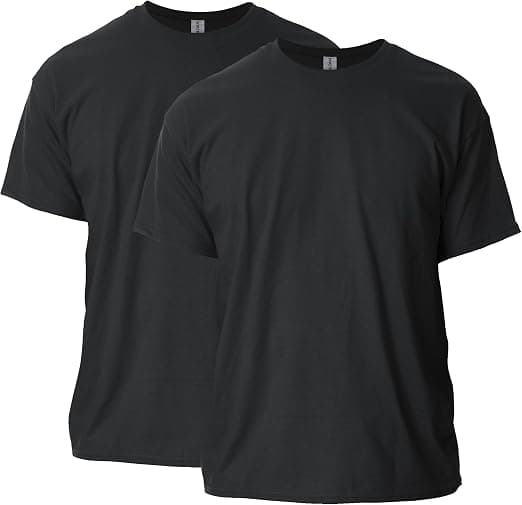
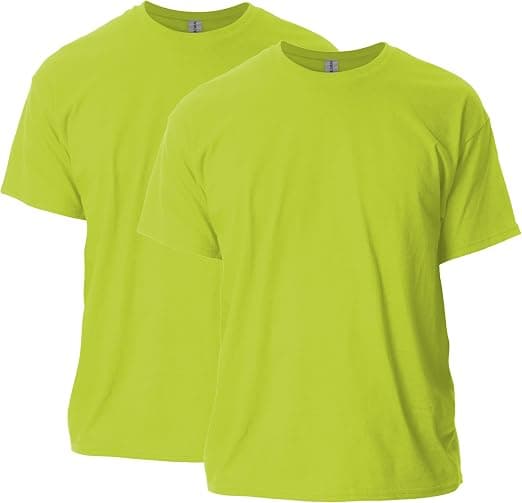
No, and treating them the same is a common mistake. An apron is adjustable across the neck and waist, so it needs far fewer size points than a shirt does and often works in one or two sizes for a whole team. A tee has a fixed chest and body length and needs a proper curve. Towelling and non-garment items follow yet another logic and are quoted per job against a specification rather than a size run. Plan the shirt carefully and keep the apron simple, because the apron is where teams tend to over-order variety they never use.
How do you avoid dead stock in a team with high turnover?
Order narrow at the ends and deep in the middle, and accept that one or two people will need a size that sits outside the run. Those are handled on the next order rather than by buying four pieces you may never issue. It also helps to standardise on a relaxed fit rather than a close one, because a roomy medium covers more bodies than a fitted medium does. How a pattern actually changes between sizes is explained in our piece on grading across a size range.
What is the least wasteful way to fix a size you got wrong?
Roll it into the next run rather than treating it as an emergency. Because the minimum is 50 pieces per design, a corrective order is a full order, so the sensible move is to note the gap, keep serving with what you have, and adjust the curve when you restock. If the gap is urgent, the practical fix is an interim piece in a different product, such as a cap, which most people can wear regardless of body size. The mechanics of the minimum are set out in our explainer on minimum orders for cafes, and the full range shows what else can absorb a gap.
Record what you issue. A one-page list of who has which size, updated when someone joins or leaves, turns the next size curve into an hour of work instead of a guess.
Think about who bends, reaches and lifts. A barista reaches up to a grinder and forward across a bar all day, so body length matters more than chest width, and a shirt that looks correct standing still can pull free of an apron waistband on every stretch. Kitchen and delivery roles need the opposite allowance, more width and a shorter body. Where one design has to cover both, size up rather than down: a slightly loose garment reads as intentional, and a tight one reads as a mistake in every photograph taken of the counter.
Write the final curve down alongside the reason for it. Six months later nobody recalls why there were only four smalls, and the next order repeats the shortage instead of correcting it. One line of explanation per size is enough to make the following run better than this one.