
Restocking Branded Kit for Cafes
By The Velocity Wear Team
Most single-site cafes restock every twelve to eighteen months, because a 50-piece run outlasts a small team for longer than people expect. Trigger the reorder when your spare stock drops to around ten pieces, which gives you the 10 to 15 working days of production plus transit without ever putting a new starter in an unbranded shirt.
How often does a cafe need to restock?
It depends on your turnover rate more than on wear. A site that hires four people a year and issues three garments each burns twelve pieces annually, so a 50-piece run lasts three years on paper and rather less in practice once losses and stains are counted. A site with seasonal staff can go through the same run in a single summer. Count what you actually issue over three months and multiply, rather than guessing. The hospitality section shows what else you might add to the restock while you are ordering.
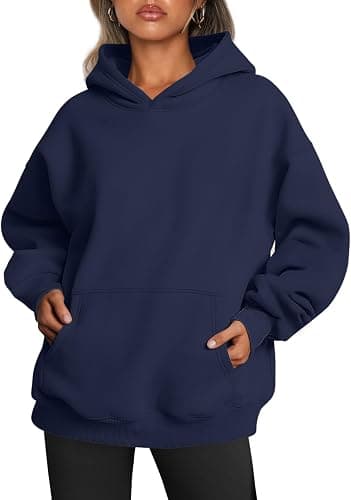
Will the second batch match the first on the shelf?
Very closely on the decoration, and closely on the garment, though dye lots move a little between production runs. The difference is usually invisible on a person and visible only if you hold two pieces together under a bright light. If exact matching matters, keep one untouched piece from the original run and send it as a reference when you reorder, which is far more useful than a colour name. Embroidery repeats more consistently than print because thread references are fixed rather than mixed.
Can a top-up be smaller than 50?
No. The minimum of 50 pieces per design applies to every run, first or fiftieth, which is exactly why ordering deep once beats topping up twice. If your genuine need is fifteen shirts, the choice is between a full run that lasts three more years or a local print job that will not match what you already have. Most cafes take the full run. Our answer to whether the same design can be reordered later covers what carries over between runs.
What should be recorded before the first order ships?
Five lines, kept somewhere that survives a change of manager: the garment name and colour, the decoration method and placement measurements, the size split you ordered, the label specification, and the order reference. With those, a restock is a two-minute email. Without them, it is a fresh conversation about a shirt nobody can quite describe. How much buffer to hold alongside that record is worked through in our piece on reorder timing and safety stock, and the wholesale catalogue lists the products you can repeat.
If the restock is likely to be larger than the original, check where it lands on the discount tiers first. Moving from 50 pieces to 100 changes the per-piece figure, and the step from 100 to 250 changes it again, up to a ceiling of 35 percent.
Build an allowance for loss into the count. Branded shirts leave with people, meet bleach, and occasionally never return from a leaver who liked them. None of that is worth policing in a six-person team, but it is worth predicting, and adding a fifth to whatever figure you calculate is usually closer to reality than the figure itself. That allowance also stops a restock being triggered by one unlucky month rather than by real demand, which is how small sites end up holding two part-used runs instead of one full one.
Set a review date rather than a reorder date. Once a quarter, count the stock, note what has gone and decide whether the next run is due. Five minutes of counting four times a year is the whole system, and it beats noticing an empty shelf on a Monday morning.

