Picking a Clothing Supplier: Cafes
By The Velocity Wear Team
Compare suppliers on five points: the minimum per design, the lead time and what triggers it, whether a physical sample is available, which decoration methods are offered, and whether the artwork is stored for repeat runs. For us those are 50 pieces, 10 to 15 working days from artwork approval, a £150 sample credited against the order, five decoration methods, and yes.
What separates two suppliers quoting the same garment?
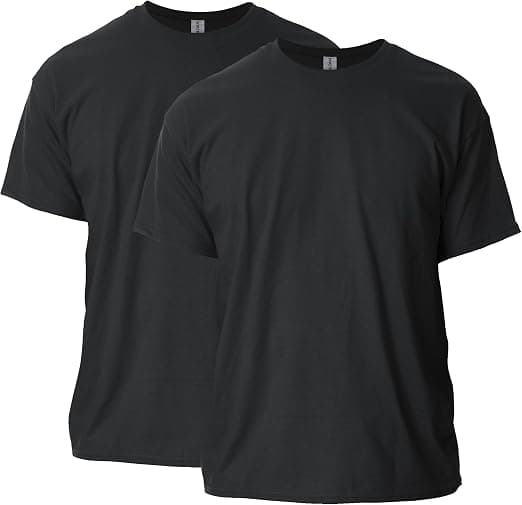
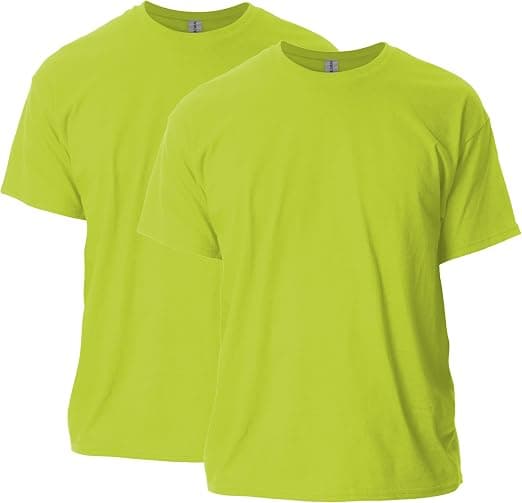
Usually the quantity the price is quoted at and what the price includes. A figure that looks a third lower often turns out to be quoted at 500 pieces, or to exclude decoration, or to exclude delivery. Once both quotes are normalised to the same quantity and the same inclusions, the gap tends to shrink to something explainable. Ask each supplier to quote at the minimum as well as at your intended quantity, which makes the comparison immediate. Our hospitality section shows the products most cafes are comparing.
How do you read a quote line by line?
Look for four things in order. The garment: name, colour, composition and weight, not just a category. The decoration: method, position and size, because a chest logo and a full back print are not the same job. The quantity band the price applies to. And the currency, since we invoice in seven and the figure you plan against should be the one in your own. Anything described only as a garment type with a number next to it is not a quote, it is an estimate.
Which decoration method should the supplier recommend?
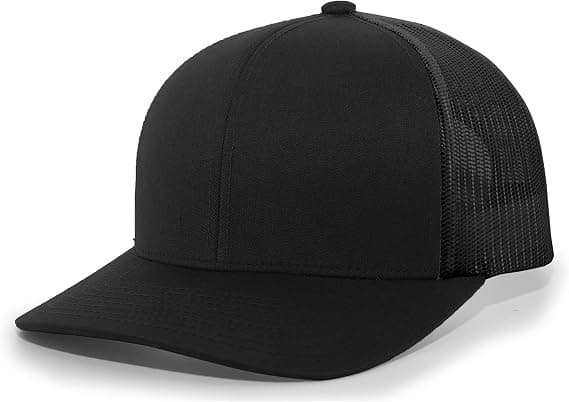
A good supplier picks the method to suit the artwork and the fabric rather than defaulting. Screen printing suits simple, solid artwork in volume. DTF handles detail and photographic work. Embroidery gives a durable finish for collars and caps. Sublimation works on synthetic pieces. 3D puff adds relief to a cap front. If you are asking which one fits your logo, our printing method decision guide walks through the choice, and the garment side is covered in choosing blanks for printing.
How do you test a supplier on a small commitment?
Order one design at the minimum and judge four things when it arrives: whether it landed inside the stated window, whether the colour matched the proof, whether the packing was what you asked for, and whether anyone told you about a problem before you found it. That last one is the real test. If the first run passes, the next order can be larger, which also moves you up the discount tiers towards the ceiling of 35 percent. Check the full product range before you scale up, because a supplier that handles several categories saves you repeating this exercise.
Be wary of anything that sounds better than the industry allows. A turnaround well under 10 working days, a sample at no cost, or an environmental claim with no certificate behind it are all worth a second question before an order.
A useful trick when comparing suppliers is to send each of them the same awkward artwork. A logo with a thin outline, a gradient or small type separates a supplier who redraws it properly from one who scales it up and prints it anyway. What you are buying at that point is judgement rather than machinery. Ask what they changed and why. The answer tells you whether anybody looked at the file before it went to production, which is the difference between a crisp chest mark and a soft one across fifty shirts.
Keep the shortlist short and the brief identical. Writing the garment, the quantity, the decoration and the delivery point once, then sending the same paragraph to each supplier, takes ten minutes and removes most of the ambiguity that makes quotes hard to compare afterwards.