Buying Blanks vs Having Garments Made
By The Velocity Wear Team
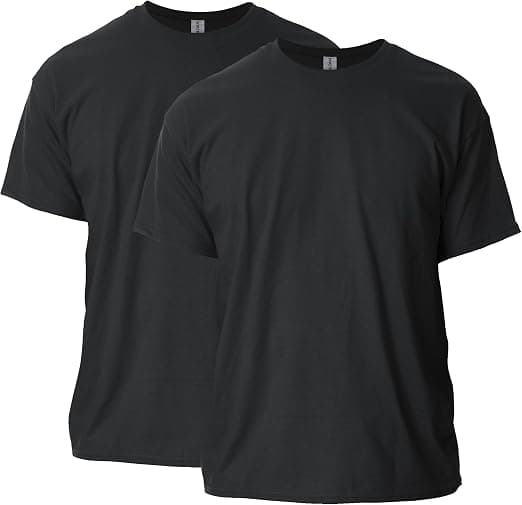
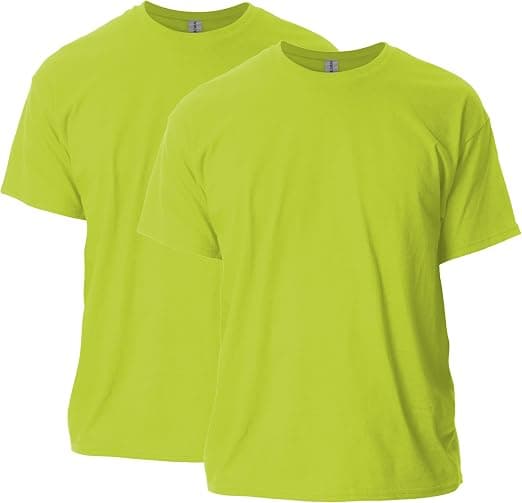
Buying blanks means someone else made the garment and you add artwork to it. Having garments made means the fabric, the pattern, the fit and the labels are specified by you. Blanks are faster to organise and simpler to reorder. Made-to-order costs more attention up front and gives you a garment nobody else sells. Both start at 50 pieces per design here.
What does decorating a stock blank get you?
Speed and predictability. The garment already exists, so the only variables are the artwork, the placement and the colour of the blank. You can see a size chart before you commit, you know roughly how the fabric behaves in a wash, and a reorder in six months is a repeat of a known thing. For staff kit, event shirts, club tops and most merchandise, that is genuinely all you need, and spending on a bespoke pattern would be spending on something the wearer will never notice.
The limits show up when your brand has an opinion. You inherit whatever cut the blank maker chose, whatever neck label they sewed in, and whatever they do to the range next season. If a blank is discontinued, your product is discontinued with it. Choosing carefully at the start reduces the pain, and how to choose blank garments for printing goes through what to look at before you settle on one.
When is made-to-order worth the extra step?
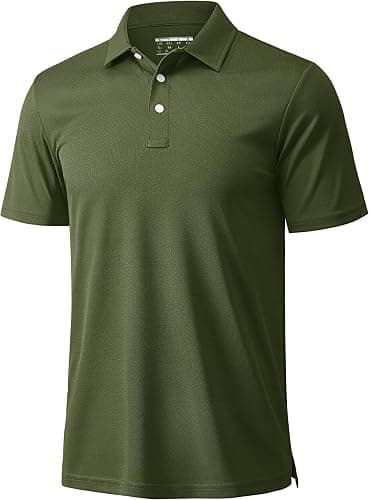
When the garment is the product rather than the carrier for a logo. A clothing label selling a hoodie at a premium is selling the fit, the weight and the finish, and none of those can be borrowed from a stock blank that a hundred other brands are also printing. It is also the right answer when you need something the blank market does not stock — an unusual colourway across a full range, a specific pocket, a panel in a contrast fabric, a cut that flatters a uniform. The cut and sew service covers what can be specified.
How do the two compare on timing and cost?
Production runs to the same 10 to 15 working days from artwork approval in both cases. The difference sits before that line. A blank order can move from enquiry to approved mockup in days. A made-to-order garment adds the conversation about fabric, the pattern, and a sample you will almost certainly want to revise once. Budget for a longer approval phase rather than a longer production phase, and start it earlier than feels necessary.
On price, made-to-order carries the cost of the work that a blank manufacturer has already amortised across thousands of units. That gap narrows as quantity climbs, because the per-piece cost falls with volume — by up to 35% against the 50-piece price at the top tier. A brand ordering 500 of a style is in a very different position from one ordering 50, and the wholesale range sets out where the tiers sit for each product.
Which route suits a first order?
For most first orders, decorated blanks. You learn how your artwork prints, how your sizes distribute and how quickly the stock moves, without committing to decisions about fabric you are not yet qualified to make. Then, once a design has proved it sells, bring it in as a made garment with your own labels and fit. That sequence also spreads the cost across two orders instead of one. If the branding rather than the pattern is what you are missing, private label is the cheaper half of the upgrade and worth doing first.