Sizing a Clothing Order for Agencies
By The Velocity Wear Team
When the recipients are unknown, weight the middle heavily and keep the tails shallow but present. Sizes mix freely inside the 50-piece minimum at no extra cost, so the split is purely a guess-management exercise. Where a list of names exists, ask them directly, because a two-question survey beats any assumed curve an agency can build from averages.
How do you split sizes for people you have not met?
Put roughly half the run in medium and large, a quarter across small and extra large, and the remainder at the edges. On 50 pieces that might read as six small, thirteen medium, seventeen large, nine extra large and five double extra large. Adjust for the audience: a tech client and a construction client do not share a curve.
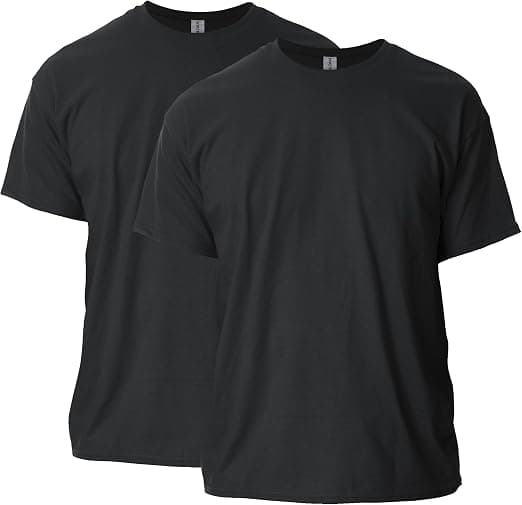
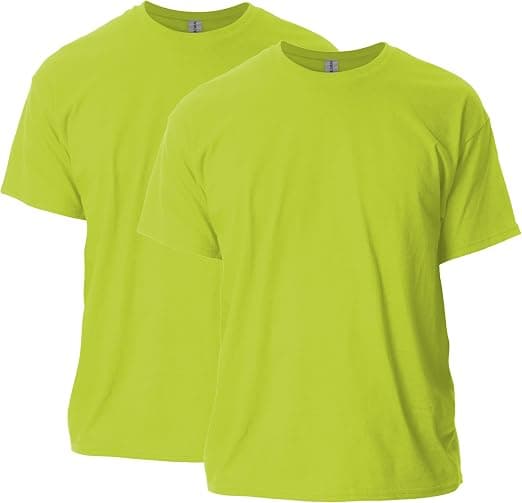
Unisex fits complicate it further, because they pull some recipients down a size and leave others between two. Say on the request form whether the fit is unisex and what the chest measurements are, rather than relying on the letter alone. The corporate page covers how staff and campaign orders are specified, and the wholesale range lists the fits available.
What should a size survey actually ask?
Two questions, no more. Which size do you normally wear in a unisex t-shirt, and would you prefer it looser. That second question catches most of the mismatch between what people order and what they wear, and it takes ten seconds to answer. Long forms get abandoned and abandoned forms produce guessed curves.
Set the survey deadline a week before the order deadline and order against whatever has come back, using the default curve for non-responders. Waiting for the last five replies has delayed more campaigns than any production issue. Print placement and sizing covers the related question of how a mark scales across a size range.
Which items avoid the sizing problem?
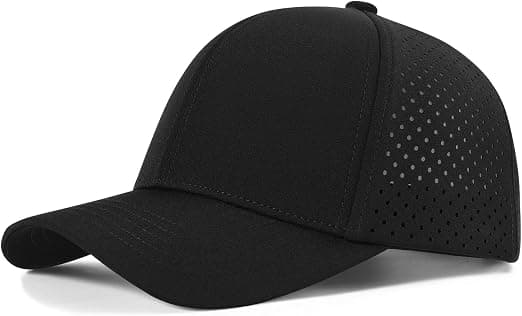
Caps, at $12 a piece, are the obvious one, and they are why so many campaigns default to headwear for open-audience giveaways. Towels, bottles, keychains and polythene bags also sidestep it entirely, though those are quoted per job rather than carrying a published from-price, so get the figure before the estimate goes out.
For garment campaigns where the list is genuinely unknown, ordering a narrower size range deeper often beats a wide range thinly. Three sizes at meaningful depth covers more people usefully than seven sizes at seven pieces each. Extending a size range without wrecking inventory covers when it is worth going wider.
Does an uneven split cost more?
No. The per-piece figure follows the quantity band and the decoration, not the distribution, so an agency should order the curve it expects rather than a tidy one. Flattening a split to look neat on a purchase order is how campaigns end up with a box of extra small in the storeroom two years later.
How do you handle people added to the list late?
With spares, decided at the point of ordering rather than negotiated afterwards. If the recipient list is 44 and the run is 50, the six extra pieces are not waste, they are the answer to the three people who join before launch and the two parcels that go missing. Order them in the sizes most likely to fit somebody.
Once the spares are gone, a late addition means another run of 50, which is rarely proportionate for two people. Agencies that run recurring campaigns usually keep a small standing stock of the core garment for exactly this, replenished as part of the next planned wave rather than as an emergency order.
Tell the client where the spares went, as well. Six unaccounted pieces on a campaign report look like waste, and the same six described as replacements and late additions look like planning. It is the same garments either way, and the difference is entirely in whether somebody wrote the reason down at the time. Keep that note against the job reference so the next wave inherits it along with the artwork and the size breakdown.