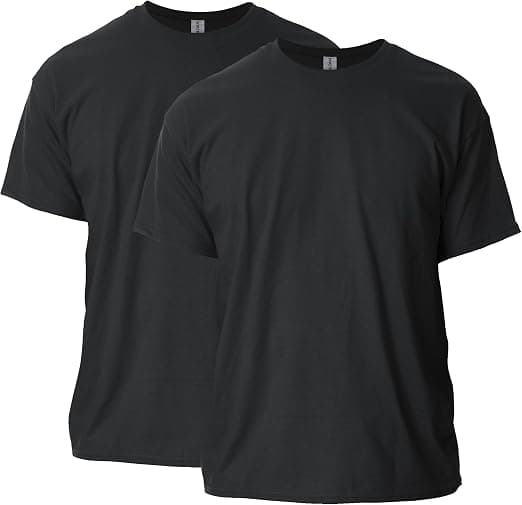
Restocking Branded Kit for Agencies
By The Velocity Wear Team
A second wave runs against the specification already approved, so the artwork round does not repeat. The minimum is still 50 pieces and the build is still 10 to 15 working days from approval. The two things an agency needs to manage are batch-to-batch colour variation and keeping the records in a place that survives an account team change.
Does a second wave start from scratch?
No, provided the specification is unchanged. The approved artwork, print positions, garment reference and colourway are all on file against the original job, so a repeat can move to scheduling once quantity and sizes are confirmed. That removes the client approval stage, which on the first run was probably the longest part of the plan.
Pricing, though, is set fresh against the quantity of the new run. A second wave of 50 is priced at the entry band even if the first wave was 500. The corporate page covers how repeat business orders are handled, and the wholesale overview sets out the bands.
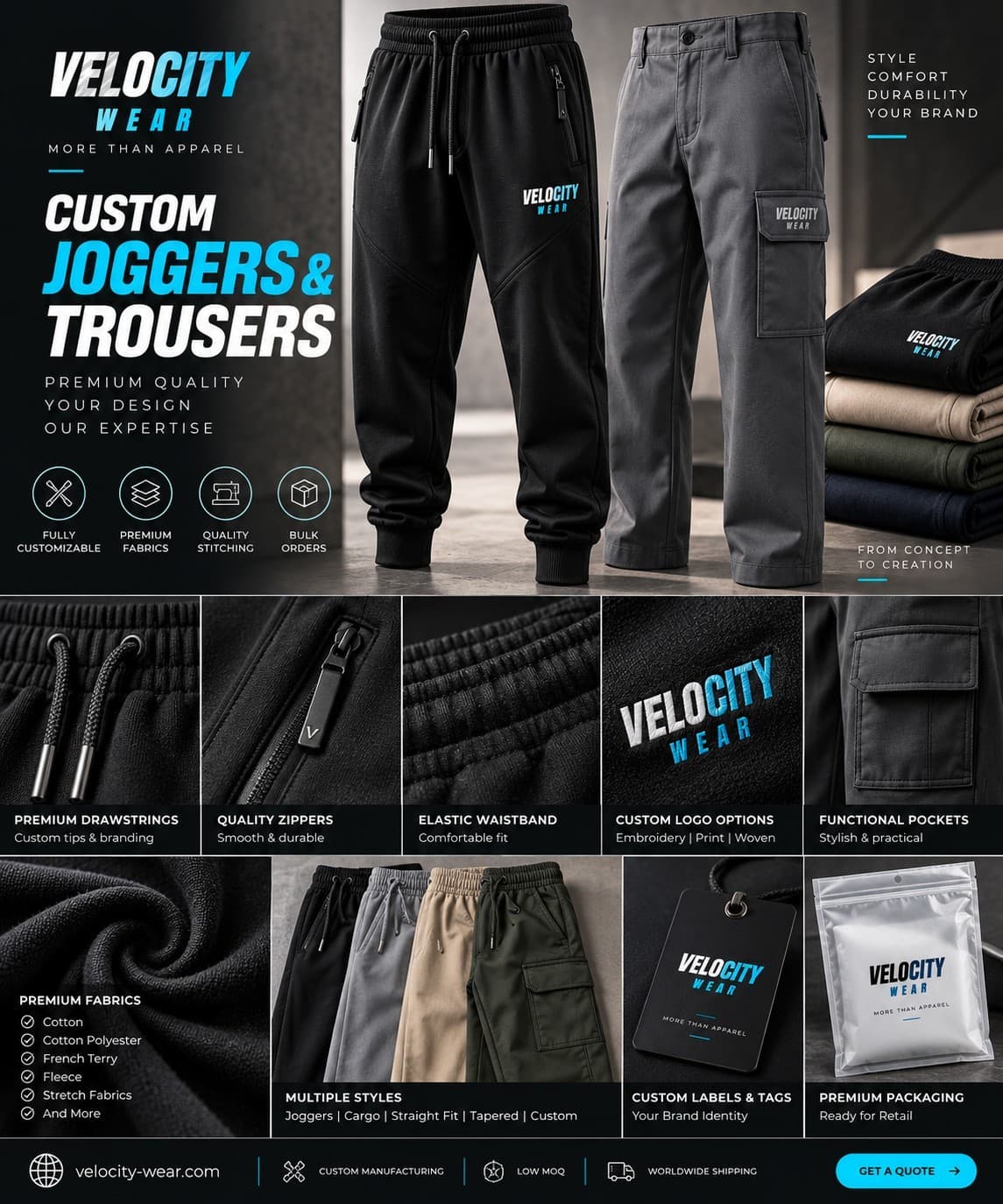
How close will the second batch sit to the first?
Close, but dyed fabric moves slightly between lots and that is normal rather than a fault. If the two waves will be seen side by side, say so at quote stage and reference the original job rather than re-describing the colour. Holding one piece from the first run as a physical reference is the single most useful thing an agency can do here.
If absolute consistency is the priority, one larger run beats two smaller ones, because a single lot matches itself. That is usually also the better commercial answer given the bands. Reordering and the rhythm that separates year two from year one covers how repeat cycles settle in practice.
What should be recorded between waves?
Enough that a different account manager could place the repeat without asking the client anything.
- The job reference the first run was produced against.
- The exact garment, colourway and fit, written out rather than abbreviated.
- The approved artwork file, with print position and dimensions.
- The size breakdown ordered and, separately, the one you wished you had ordered.
- Any label or packaging specification applied to the first run.
That last pairing is what makes wave two better than wave one. Setting up a reorder schedule for branded apparel covers how to hold that information so it is still there a year later.
When should the repeat be raised?
Before the stock runs out, which sounds obvious and rarely happens on campaign work because nobody owns the remaining inventory. Assign it to someone, count what is left at the end of each wave, and raise the next run against a date in the campaign calendar rather than against an empty cupboard.
How do you hand a repeat to a new account team?
Put the specification somewhere that is not an inbox. Account teams change, and campaign merchandise details are almost always held in one person who knew which garment it was. A single shared document per client, holding the job reference, the garment, the artwork and the label detail, survives that turnover where an email thread does not.
Include the physical reference piece in the handover too. A garment in a cupboard with a label saying which job it came from answers questions no document can, and it is the thing a new account manager will reach for the first time the client asks whether the new batch looks right.
Review the size breakdown at handover rather than copying it forward untouched. The first wave produced real data about who asked for what, and a repeat that reuses the original guess wastes it. Adjusting the curve while holding everything else constant is the one change worth making between waves. Anything more than that and you lose the ability to say why the second run went better or worse than the first.