What Agencies Pay for Branded Clothing
By The Velocity Wear Team
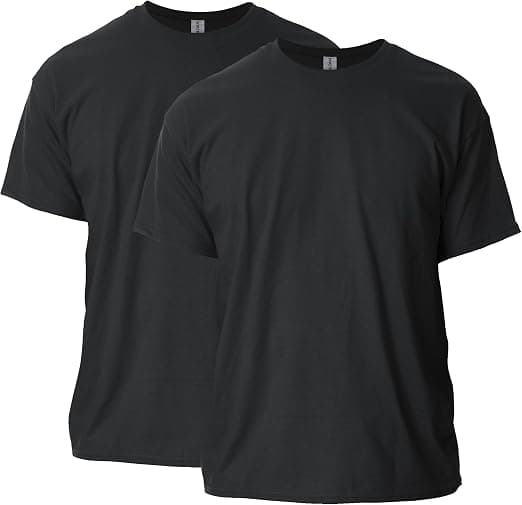
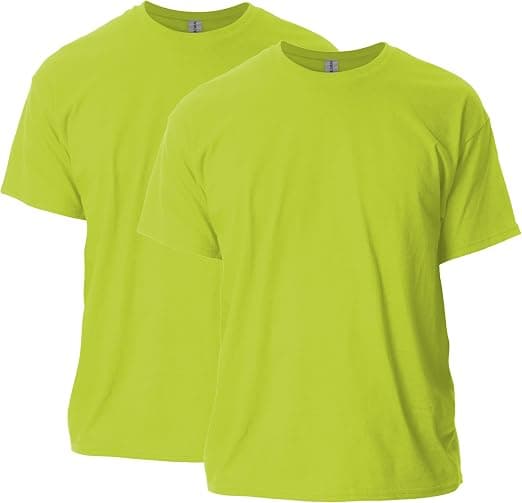
At the 50-piece minimum, entry figures are $12 for a cap, $13 for a t-shirt, $18 for a polo, $20 for a corporate uniform piece, $22 for joggers, $31 for a hoodie, $38 for a denim jacket and $53 for a tracksuit set. Volume takes up to 35% off the 50-piece price. Those are the numbers an agency should be building a client estimate from.
Which per-piece figures should go into a client estimate?
Use the band the campaign will actually land in rather than the entry figure, because a client who is quoted the 50-piece price and then orders 300 will ask why the saving did not reach them. The bands are 50 to 99, 100 to 249, 250 to 499, 500 to 999 and 1,000 plus. Pick the one the brief implies and note the assumption on the estimate.
Then state what the figure covers. One garment, one design, one decoration position is the baseline, and campaigns rarely stop there. The corporate page covers how business and campaign orders are handled, and the wholesale range lists the garments with published from-prices.
How much does volume change a campaign budget?
Enough to change what the campaign can include. The reduction runs up to 35% measured from the 50-piece price, so the same budget buys materially more at 500 pieces than at 50. Where an agency has flexibility on quantity, that is usually a better lever than downgrading the garment, because the client notices the garment and not the invoice line.
The other lever is decoration. Screen printing is priced by colour count, so a brand mark rendered in three colours costs more per piece than the same mark in two. How many colours should your design have covers the trade-off, and it is a conversation worth having with the creative team before the artwork is finalised rather than after.
Which costs get left off an agency estimate?
Four, consistently.
- The second print position, which arrives with the creative and is rarely in the original number.
- The £150 sample, which is credited against the bulk order but has to be approved by someone as a spend.
- Transit and any duty on the route, which vary across the UK, USA and Europe.
- Private label work such as woven neck labels or swing tags, if the client expects their brand inside the garment too.
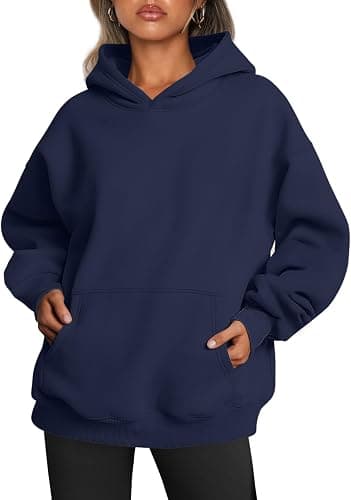
Put all four on the estimate as named lines even where they are provisional. An estimate that grows once is a conversation, and one that grows three times is a credibility problem. How much do custom hoodies cost works through a full build-up on one garment if you want a worked example to model from.
What about products with no published price?
Jackets, towels, bottles, keychains and polythene bags are quoted per job rather than carrying a from-price, because the specification drives the figure too much to publish one. If the brief includes any of them, get the quote before the estimate goes to the client rather than carrying a placeholder you will have to correct.
How should the numbers be presented to a client?
Show two quantities rather than one. A per-piece figure at the quantity the brief specifies, and a second at the next band up with the total attached, lets the client see what another hundred pieces would actually buy. Clients frequently increase the order at that point, because the marginal cost reads better than the headline one.
Write the assumptions underneath in plain terms: which garment, how many designs, how many print positions, which market it ships to. An estimate that states its own assumptions is easy to revise when the brief changes, and an estimate that hides them turns every change into a negotiation.
Keep a copy of every estimate you issue with the final invoice attached to it. Over a year that becomes the most accurate pricing reference an agency has, better than any supplier list, because it records what campaigns of a given shape actually ended up costing rather than what they were expected to.