
Merch for Content Creators: What Actually Sells to an Audience
An audience is not a customer base until you give them something they would wear without the logo.
Selling Merch on Social Media Without a Big Following
You do not need a large following to sell merch. You need the right hundred people to see the right post.
Product Photography for Clothing Brands on a Small Budget
Bad photography sinks good products. Almost all of it can be fixed with a window and a bit of planning.
What Goes in an Apparel Tech Pack — and When You Need One
A tech pack is just your order written down properly. That is exactly why it matters on the second order.
Preparing Artwork Files for Custom Clothing Printing
Most proofing delays are artwork problems. Here is how to supply files that go straight through.
Scaling a Clothing Brand Past Your First Few Orders
Growing a clothing label is mostly a cash-flow problem disguised as a creative one.
How to Plan a Clothing Drop: Timeline and Checklist
A drop is a deadline with a product attached. Work backwards from the date and most of the stress disappears.
Print on Demand vs Holding Stock: Which Suits Your Brand
One protects your cash, the other protects your margin. The right answer changes as your brand grows.
How to Vet a Clothing Supplier: Questions Worth Asking
The questions that matter are rarely about price. Here is what actually predicts whether an order goes well.
Size Charts and Fit: Getting Sizing Right for Your Brand
Sizing causes more returns than any other factor, and almost all of it is fixable with a better size chart.
Why You Should Sample Before Committing to a Bulk Order
A screen mock-up cannot tell you how a garment feels, hangs or washes. Only a physical sample can.
Starting a Clothing Brand: What to Do in the First Three Months
The first three months decide whether a clothing brand becomes a business or an expensive box of unsold stock.
How to Price Your Clothing Brand's Products
Most new labels price by looking at competitors and guessing. Here is how to price from your actual numbers instead.
Which Printing Method Should You Choose? A Decision Guide
Five methods, one order. Here is a straightforward way to work out which one you actually need.
Reflective Printing and Hi-Vis Branding: What You Need to Know
Branding a hi-vis garment is not like branding a hoodie. There are rules, and they exist for a reason.
Embroidered Patches and Appliqué: Adding Dimension to Apparel
Patches solve problems direct embroidery cannot, and they look more expensive than they are.
Woven Labels, Neck Prints and Branding Details That Matter
The difference between merch and a clothing brand is usually found inside the collar.
Sublimation Printing: What It Can and Cannot Do
Sublimation produces effects no other method can match, on one condition that rules out half of all garments.
Vinyl (HTV) vs Printing: When Heat Transfer Vinyl Makes Sense
Vinyl has a narrow but genuine sweet spot in custom apparel. Here is exactly where it belongs.
Puff Print and Specialty Finishes: Adding Texture to Apparel
Specialty finishes are how a printed garment stops looking printed. Here is what each one does and where it works.
Screen Printing Explained: Colours, Screens and Setup Costs
Screen printing pricing confuses people because it is driven by colour count, not just quantity. Here is the logic.
Embroidery Digitising Explained: Why Your Logo Needs Converting
Embroidery does not print your logo — it rebuilds it in stitches. Here is what that means for your artwork.
DTF vs DTG Printing: Which Digital Method Suits Your Order
Both are digital, both handle full colour, and they behave quite differently. Here is how to choose between them.
Pilling, Fading and Wear: Making Custom Clothing Last
Every garment ages. The difference between one that ages well and one that looks tired in six months is mostly specified at the order stage.
Heavyweight T-Shirts and Boxy Fits: The Streetwear Standard
The heavyweight boxy tee became the default streetwear blank for reasons that are mostly practical. Here is how to spec one.
Moisture-Wicking and Technical Fabrics for Custom Sportswear
Technical fabric claims are easy to make and hard to check. Here is what actually makes sportswear perform.
Colour Matching in Custom Apparel: Pantone, Screens and Reality
Your brand colour will look slightly different on fabric than on screen. Here is why, and how to control it.
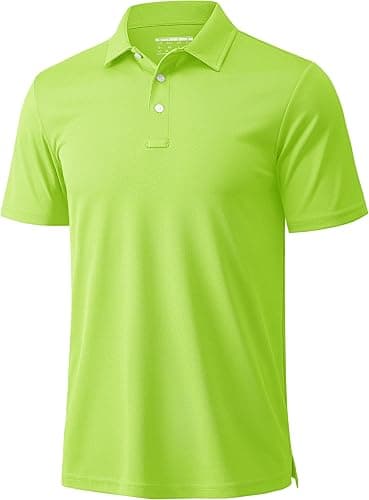
Piqué vs Jersey Polo Shirts: Which to Choose for Uniform
Polo shirts come in two quite different fabrics, and picking the wrong one is why some uniforms look tired within months.
Why Custom Clothing Shrinks — and How to Avoid It
Shrinkage is the most common complaint after a clothing order arrives, and it is almost always preventable at the specification stage.
Marl and Heather Fabrics: What They Are and How They Print
Grey marl is the most-ordered colour in custom apparel and the one that behaves least predictably under a print.
Organic Cotton and Sustainable Fabrics: What the Labels Mean
Sustainability claims in apparel range from meaningful to meaningless. Here is how to tell which is which before you order.
GSM Explained: What Fabric Weight Means When You Order
GSM is the single number that most determines whether your order feels premium or cheap. Here is how to read it.
Cotton, Polyester or a Blend? Choosing Fabric for Custom Apparel
Most apparel disappointments trace back to the fabric, not the print. Here is how the three main options actually behave.
Custom Shorts and Summer Teamwear: An Ordering Guide
Shorts are the most overlooked piece in a team range, and the easiest to get wrong. Here is what to specify.
Branding Beyond the Print: Labels, Tags and Packaging
How custom labels, tags and packaging elevate your apparel — the branding details that make garments feel like a real, premium brand.
Print Durability: How to Make Custom Prints Last
Why custom prints crack or fade and how to prevent it — comparing print methods and the care habits that make your prints last for years.
How to Choose Blank Garments for Printing
A guide to choosing blank garments for printing — fabric, weight, fit and print surface factors that decide whether your apparel feels premium.
Custom Printing Minimums Explained (Why MOQs Exist)
Why custom printing has minimum order quantities, what drives them, and practical ways to make an MOQ work for your apparel project.
How Many Colours Should Your Design Have?
How the number of colours in your design affects print cost and quality — and when to simplify your artwork or switch to a full-colour method.
Custom Printing for Events and Merch
How to plan event merch printing that lands — picking garments, print methods, quantities and lead times for conferences, festivals and team kit.
Specialty Prints: Puff, Reflective and Metallic Explained
A clear guide to specialty prints — puff, reflective and metallic finishes — how each works, where they shine and what to plan for.
Print Placement Guide: Where to Put Your Design
Where to put your design on hoodies, tees and caps — standard print placements, measurements and tips to position custom prints perfectly.
Vector vs Raster: Preparing Logos for Print
A clear vector vs raster guide for print — the difference, the right logo file types, when to use each and how to get clean, scalable artwork.
Custom Printing Costs Explained
A clear breakdown of custom printing costs — how method, quantity, colours and garment choice shape your t-shirt printing price, plus ways to save.
All-Over Print (AOP) Apparel: How It Works
How all-over print apparel is made — the sublimation and cut-and-sew process behind edge-to-edge AOP designs, plus what it suits and its limits.
How to Prepare Artwork for Custom Printing
A practical guide to preparing print-ready files — resolution, file formats, colour, fonts and sizing so your custom prints come out crisp and accurate.
Custom Printing for Small Businesses: A Starter Guide
How to start custom printing for a small business — picking methods, garments, suppliers and pricing so you launch without costly mistakes.
Heat Transfer vs Screen Printing: Which Is Better?
A practical heat transfer vs screen printing comparison — heat press and vinyl against screens on durability, detail, cost and best use cases.