Custom Printing for Small Businesses: A Starter Guide
By The Velocity Wear Team
Need this made?Get pricing for this product— free, no obligation, 50 pieces minimum.
Custom printed apparel is one of the easiest ways for a small business to build its brand, create a new revenue line or kit out a team. But the choices — methods, fabrics, minimums, in-house versus outsourced — can be overwhelming when you start. This guide cuts through the noise and shows you how to launch custom printing sensibly, without burning cash on the wrong equipment or stock.
Get clear on what you actually need
Before comparing methods, define the job. Are you selling merch to customers, kitting out staff, or printing giveaways for an event? Your goal sets the quantity, quality and budget. A handful of staff polos is a very different project from a sellable streetwear drop, and being honest about that upfront saves you from over-investing in the wrong direction.
- Sellable merch — quality and consistency matter most.
- Team or staff uniforms — durability and a clean logo win.
- Event giveaways — cost per unit is the priority.
- Testing an idea — small quantities and low risk come first.
Match the method to the job
Each printing method has a sweet spot. Screen printing is cheapest per unit for larger runs of simple designs. DTG and DTF suit full-colour artwork and small quantities. Embroidery gives a premium, durable finish on caps, polos and jackets. Choosing the right method for your design and volume is the single biggest lever on both cost and quality.
In-house or outsource?
It is tempting to buy a printer and do it yourself, but the maths rarely favours that early on. Equipment, ink, blanks, learning time and wasted misprints add up fast, and the quality curve is steep. For most small businesses, partnering with a manufacturer that has a low minimum order gives you professional results, no equipment outlay and time to focus on selling rather than producing.
Buying a press before you have demand is how good ideas turn into a garage full of unsold blanks. Validate first, scale later.
Choose garments that flatter your print
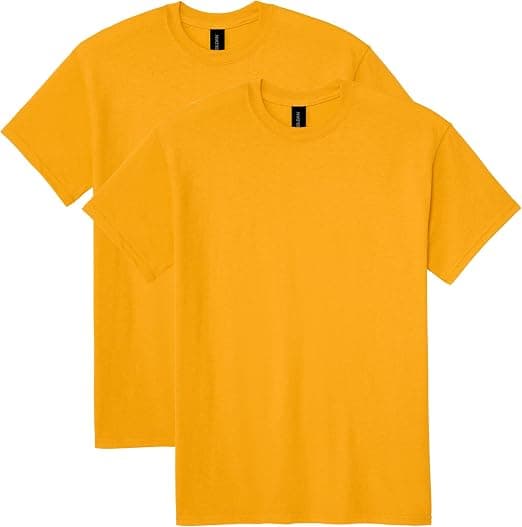
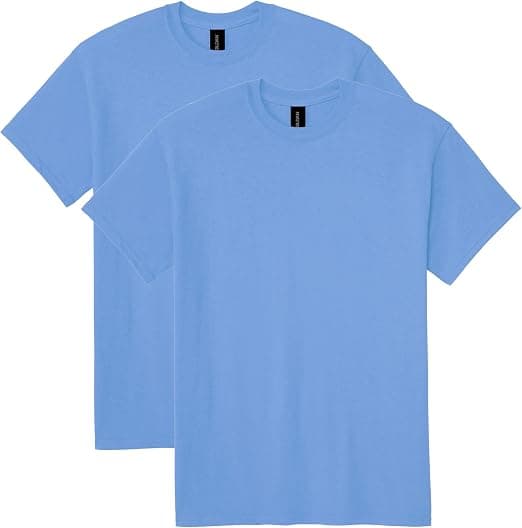
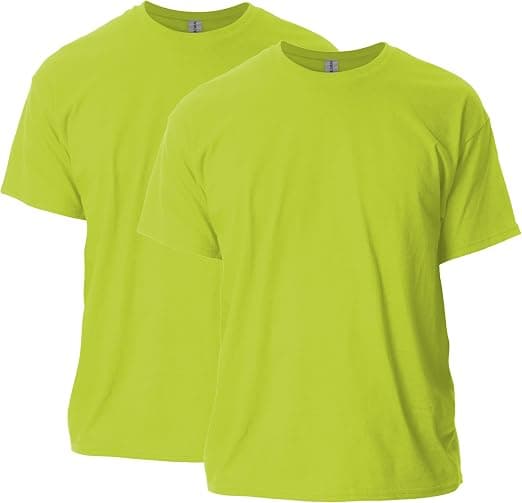
The blank matters as much as the print. Cheap, thin tees feel disposable and undermine even a great design, while a heavyweight cotton tee or a brushed-fleece hoodie signals quality the moment someone touches it. Match fabric to method too — cotton for DTG, blends and synthetics suit DTF — and your finished product will look far more premium for only a little more per unit.
Price for profit, not just to cover costs
- Add up garment, decoration, shipping and packaging per unit.
- Include platform, transaction fees and a small returns buffer.
- Set a margin that funds marketing, not just break-even.
- Order a sample first so you price the real, finished product.
Starting with custom printing is mostly about avoiding expensive early mistakes — and a good manufacturing partner removes most of them. Velocity Wear prints and embroiders custom apparel for small businesses with a low 50-piece minimum and worldwide delivery. Send your idea or logo for a free, itemised quote and a sample.