
GST, HST, PST and QST for a New Canadian Clothing Brand
One country, several sales tax regimes, and the rate your customer pays depends on where they live rather than where you do.
Team and Club Apparel for Canadian Minor Sport
The parents in the stands buy more apparel than the players do, and they are wearing it in a cold arena for two hours. Spec for them.
Getting Into Canadian Independent Shops
A shop is not deciding whether they like your brand. They are deciding whether to spend limited buying budget on you rather than something proven.
Resolution: What 300 DPI Actually Means for a Chest Print
A file that looks perfectly sharp on your laptop can be nowhere near sharp enough at 30 centimetres across on a shirt.
Designing for Dark Garments: Underbase, Contrast and Ink Choice
Your bright artwork on a black shirt will look muddy unless something white goes underneath it first. That layer is a colour, and it is on your quote.
Checking Your First Delivery Properly
The worst time to discover a problem with a delivery is when a customer discovers it. The second worst is three months later.
Building a Launch Calendar That Does Not Slip
The reason a launch is late is almost never the factory. It is that somebody counted forwards from today instead of backwards from the deadline.
"Made in USA" When the Blanks Are Not: What You Can Legally Say
Brands reach for "Made in USA" because it sells. The FTC standard is stricter than almost anyone assumes, and the alternatives are better copy anyway.
Sales Tax Nexus for a New Apparel Brand, Without the Panic
US sales tax is not one tax. For a clothing brand it is worse than that, because several states treat apparel differently from everything else.
From DTC to Wholesale: The Line Sheet That Gets You a Meeting
A retailer does not want your brand story. They want to know your wholesale price, your minimum, your delivery window and whether you can do it again in March.
VAT for a New UK Clothing Brand, Explained Without the Jargon
VAT is not a cost to a registered business, but it absolutely is a cash flow problem — and for clothing there is a zero rate that changes everything.
The Children's Clothing Zero Rate: Rules That Change Your Size Chart
A garment can be zero-rated at one size and standard-rated at the next one up. That is a pricing decision hiding inside a grading decision.
Sustainability Claims: What a UK Clothing Brand Can Actually Say
The problem with most sustainability copy on clothing sites is not that it is dishonest. It is that it is unfalsifiable, which under the Green Claims Code is its own problem.
The CA Number: What It Is and Whether You Need One
It is a five-digit code that stops your home address being woven into the neck of every shirt you sell. Most small Canadian brands should have one.
Selling Clothing in Quebec: The French Language Requirements
Federal law already makes your fibre content bilingual. Quebec goes considerably further, and it applies to your product page as well as your label.
Sourcing for a Canadian Outdoor Brand
Outdoor customers will ask what happens to the fabric when it is wet, cold and being worn for eleven hours. Have an answer before you launch.
Ordering Kit for a Canadian Campus Club Without Wasting the Budget
Every club orders hoodies, every club orders them late, and every club has a box of unclaimed smalls in a cupboard by March.
Digitising: Turning Your Logo Into Stitches
Digitising is not a file conversion. Somebody decides where every stitch goes, and that decision is why one logo looks crisp and another looks lumpy.
Print Placement: The Measurements That Stop Surprises
The print is two inches higher than you pictured. Nobody made a mistake — you sent a picture and they made a decision.
How Big Should a First Collection Be?
A first collection of twelve styles is not ambitious. It is twelve forecasts made by somebody with no data, which is a different thing.
Pre-Order or Buy Stock First?
A pre-order lets customers fund your production run. It also asks them to wait, and a brand nobody has heard of is asking a lot.
What a US Brand Should Settle Before Its First Bulk Order
Most first orders that go wrong did not go wrong in the factory. They went wrong three weeks earlier, in an email where nobody wrote down what "navy" meant.
US Clothing Labels: What the Law Actually Requires on the Neck
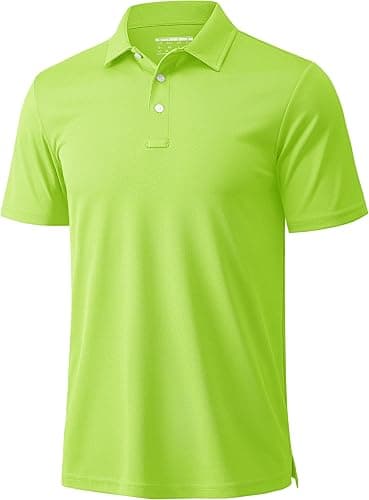
Almost every new US brand designs a neck label before it finds out what a neck label is legally required to say. It is easier in the other order.
Selling Your Own Apparel on Amazon: What Has to Be on the Garment
Amazon's apparel requirements are mostly about the packaging, and mostly cheaper to satisfy at the factory than in your kitchen with a label printer.
What a UK Brand Should Settle Before Its First Bulk Order
The first order that goes wrong is usually specified perfectly. It is just that the specification was three lines long and everybody filled in the gaps differently.
UK Clothing Labels: What Is Legally Required and What Is Not
Half of what UK brands put on a label is legally required and half is convention. Knowing which half is which changes what you can design.
Trade Marking a UK Clothing Brand Before You Print It
The worst time to discover somebody already owns your brand name is when three hundred garments arrive with it woven into the collar.
Print or Embroider? Choosing a Decoration Method That Fits the Product
The right decoration method is decided by your artwork, your quantity and your fabric — in that order, and usually before you have an opinion about it.
What a Canadian Brand Should Settle Before Its First Bulk Order
Canadian brands have one requirement no American or British brand has to think about, and it needs deciding before the labels are woven, not after.
Canadian Clothing Labels: Bilingual Fibre Content and a Dealer Identity
A Canadian label has two requirements no American label has: both official languages, and a traceable identity for whoever is responsible for the garment.
Getting Stock Into Canada: Ports, Distance and the Winter Problem
The production window is the predictable part. Everything between the factory and your door is where a Canadian launch date actually goes wrong.
Canadian Sizing: Caught Between Two Systems
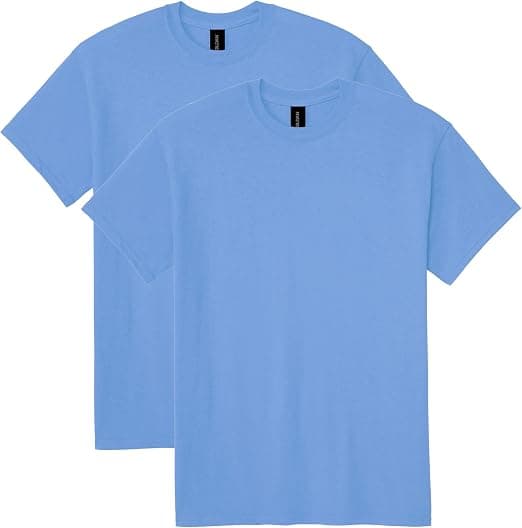
Your customers think in American sizes, measure in centimetres, and compare you to brands from both countries. Publish both and stop guessing.
Colour Matching: Why "Navy" Is Not a Specification
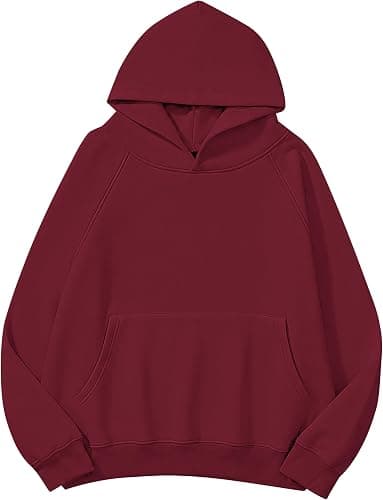
Two people who agree completely that a garment should be black can be looking at two different garments. The number is what stops that.
Screen Print Separations: Why Colour Count Changes Your Quote
A four-colour design and a one-colour design cost very different amounts to screen print, and the difference is decided in your design file.
How to Split Sizes on a First Order
You will get this wrong on order one. The goal is not to be right, it is to be wrong cheaply and then fix it.
How Many Colourways Should a First Drop Have?
Adding a second colour feels like offering more choice. Mostly it splits the same demand across twice as much inventory.
The Care Label Rule: Why "Wash Cold" Is Not Enough
The care label is the one part of a garment a brand copies from another garment. It is also the one the FTC requires you to have evidence for.
College Town Apparel: The Trademark Trap Nobody Mentions
Printing your university's name on a hoodie is the most obvious business idea in any college town, and one of the fastest ways to get a cease and desist.
Why a Profitable UK Clothing Brand Still Runs Out of Money
Margin tells you whether a sale was worth making. It tells you nothing about whether you can afford the next production run, which is the question that actually kills brands.
Sole Trader or Limited Company for a Clothing Brand?
You can sell clothes as a sole trader from tomorrow. The question is whether you want your personal assets standing behind a production order.
Packaging Rules in Canada: What Has to Be Bilingual on the Box
You sorted the neck label. Then you printed a mailer, a hang tag and a care card in English only, and re-created the problem you just solved.
Sending Us Your Design: Exactly What to Include
Most first submissions are missing three things, and it is the same three things every time. Here is the list that gets a quote back in one reply.
Vector or Raster? Why Your Logo File Format Decides Your Print
The file your designer gave you for Instagram is almost never the file a printer needs, and enlarging it does not fix anything.
Sampling Before Bulk: The Two Weeks That Save the Run
A sample costs you a fortnight. A bulk run you did not sample costs you the run, and the fortnight, and the launch date anyway.
What a 50-Piece Minimum Actually Changes
A high minimum does not make you order more. It makes you order fewer designs, which is the opposite of what a brand with no data should do.
Custom Crewneck Sweatshirts: Fabric, Fit and Print Guide
The crewneck has replaced the hoodie as the default merch piece for a lot of brands. Here is how to spec one properly.
Custom Quarter-Zip Sweatshirts: The Smart-Casual Branded Layer
The quarter-zip sits between a hoodie and a polo, which is exactly why so many companies order it. Here is how to spec one.
Custom Rugby Shirts and Club Kit: A Guide for Clubs
Rugby kit takes more punishment than any other team garment. Here is how to spec shirts that survive a season.