How to Budget Annual Workwear Spend Without Guessing
By The Velocity Wear Team
Need this made?Get pricing for this product— free, no obligation, 50 pieces minimum.
Build a workwear budget from four inputs: headcount by role, the issue set each role receives, the replacement cycle for each garment type, and your expected staff churn. Multiply those out and you have a defensible number instead of last year's figure with an increase bolted on. The two lines most budgets miss entirely are churn kit for leavers and joiners, and the extra cost of ordering in small batches through the year.
Start With the Issue Set, Not the Total
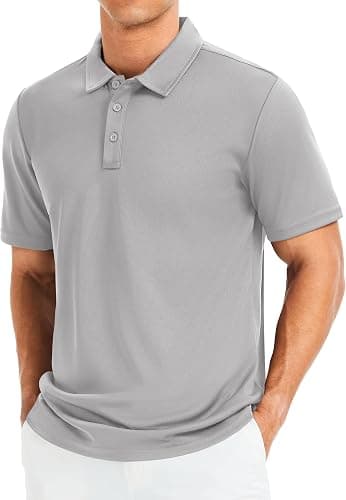
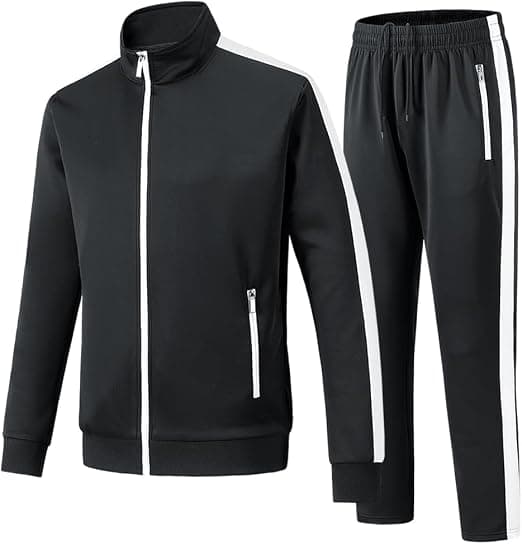
Write down what one person in each role receives on day one. Not what you think they receive, what they actually walk away with. In most organisations this list is longer than anyone remembers, because it accumulated over years: three polos, two pairs of trousers, a fleece, a jacket, a cap for outdoor roles, a high-visibility layer for site access. Once the issue set is written down per role, the budget is arithmetic rather than opinion.
Replacement Is a Cycle, Not an Event
The second input is how long each item lasts in normal use. Different garments wear out at wildly different rates, and averaging them produces a number that is wrong for everything. A polo worn four days a week and laundered constantly has a short life. A softshell worn seasonally lasts years. Work item by item and give each one its own cycle. If you have no history, set a cycle, record what you actually replace, and correct it after a year. A budget built on a recorded replacement rate beats one built on an estimate every time.
Churn Is the Line Everyone Forgets
Every leaver and joiner costs a full or partial issue set, and in sectors with high turnover this can rival the replacement line. Look at your own joiner numbers from the last two years rather than assuming a steady headcount, and note that leavers rarely return items in a state you can reissue, particularly anything personalised with a name. If you personalise garments with vinyl names, accept that those items are effectively single-use and budget accordingly.
The Hidden Cost of Ordering Little and Often
Two organisations with identical headcount can spend very differently purely on ordering pattern. Velocity Wear works to a 50-piece minimum per order with sizes mixed freely within the run, and bulk discounts reach up to around 35% as quantities rise. An organisation placing one order a month sits near the bottom of that scale every time, while one placing two consolidated orders a year sits much higher up it. Same garments, same people, different number at the bottom of the page.
“"You do not save money by buying cheaper polos. You save it by buying the same polos twice a year instead of eleven times."”
Where the Real Savings Actually Are
Once the budget is built, the levers that move it are not the ones people reach for first. Cutting garment quality usually shortens the replacement cycle and costs more over two years.
- Consolidate departments and sites into one or two orders a year instead of letting each one buy separately.
- Reduce the number of distinct items in the catalogue, since every extra style fragments quantities and pushes each line into a smaller run.
- Standardise the decoration so one artwork approval covers everything, rather than approving a variation per department.
- Extend garment life by choosing decoration that survives laundering, since embroidery generally outlasts the garment it sits on.
- Hold a small buffer of core items in common sizes so joiners never trigger a rush order outside your planned windows.
Build a Contingency You Can Explain
Budgets fail on the unplanned rather than the planned: a new site opening, a rebrand, a contract requiring a specific high-visibility standard, a growth spurt in headcount. Hold a stated contingency rather than absorbing surprises by quietly cutting the replacement cycle, which is what most managers end up doing and which produces a workforce in visibly tired kit by autumn. A contingency you can name in a meeting is much easier to defend than an underspend you engineered by making people wait.
Timing the Spend Across the Financial Year
Place the main order early enough in the year that a delay does not push it into the next budget period. Production starts at artwork approval, not at order placement, so the approval date is the one that governs your schedule. Screen printing and embroidery typically run around 10 to 15 working days from approval as qualitative guidance, with more complex jobs nearer 15 to 20, and tracked UK delivery usually 2 to 5 working days after dispatch. If you are ordering against a year end, work backwards from the date the goods need to be received rather than the date you want to raise the purchase order.
Keep the Specification With the Budget
A budget line that says "polos" is not a budget. Record the garment code, the colour, the decoration method, the thread colours, the logo size and the placement measured from the high point of the shoulder, and keep the approved proof with it. This is what lets next year's reorder match this year's stock, and it is what stops a well-meaning colleague ordering a similar polo from a different range because it was slightly cheaper on the day. The free instant price calculator is useful while you are still modelling, because you can see what different quantities and methods do to the per-piece figure before you commit to a plan.