Reordering Wholesale Corporate Uniforms in Colour
By The Velocity Wear Team
A repeat uniform run uses the artwork already approved, so the design stage does not happen twice. The minimum still applies at 50 pieces per design, and the tier is set by the quantity of that run rather than by everything ordered historically. Production stays at 10 to 15 working days from confirmation.
Is a repeat run the same price?
It is priced the same way, against the same tier structure, at whatever quantity you order this time. A first order of 300 followed by a top-up of 60 will not carry the 300-piece rate, because pricing tracks the run in front of it. Buyers who understand that tend to order deeper and less often.
The saving on a reorder is in time rather than headline rate. No proofing round, no rebuilding of files, no sizing debate if the first order was recorded properly. The tiers are laid out on the pricing page and the garment options on the uniforms range.
Why do two runs of the same colour differ?
Because fabric is dyed in batches, and two batches of the same specified colour will sit fractionally apart. Nobody notices this on a garment worn alone. It shows up when two people stand at the same desk wearing pieces from different runs, which is exactly the situation a uniform creates.
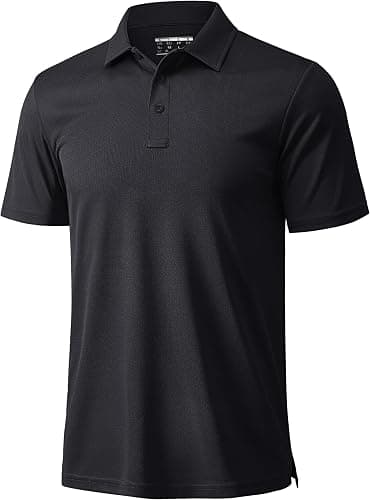
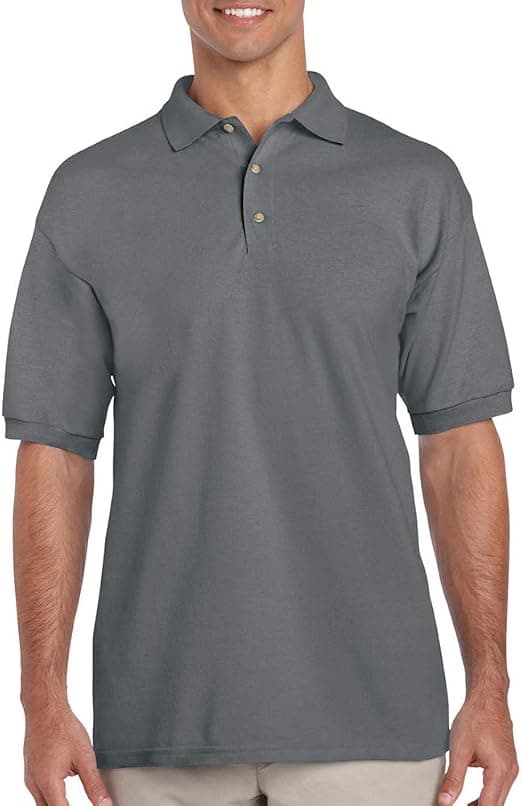
Darker and more saturated tones hide batch variation better than pale and mid tones do. Keeping a reference piece from the first run and having it matched against, rather than working from a code alone, gets you closer. The mechanics are explained in colour matching.
How do you keep a programme consistent over years?
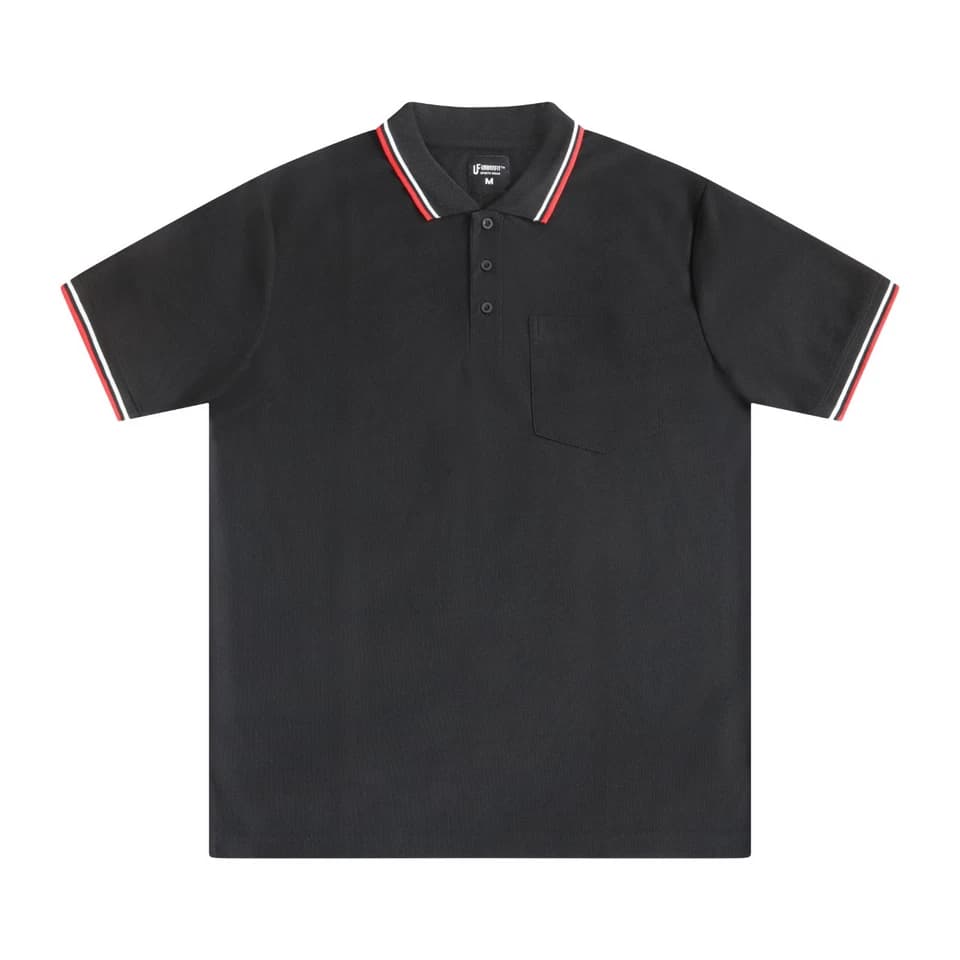
Order deep and order rarely. A single run covering eighteen months of a rotation is one dye batch, one setup and one delivery. Four small top-ups over the same period are four of each, and the variation between them accumulates in the staff room where everyone can see it.
Retire a whole generation at once rather than replacing pieces individually, so the floor is always wearing one run. Where that is impossible, issue by team or by site, so any variation sits between locations rather than between two people at the same counter.
What should you record after the first order?
Write down more than the invoice. The approved artwork file and its version, the garment specification, the colour reference, the decoration method and positions, the exact size split issued, and how long the whole thing took from enquiry to delivery. That document is what lets someone who was not involved place the next order correctly.
- Approved artwork, with the version that was actually signed off.
- Garment specification, colourway and decoration positions.
- The size split as issued, not as originally forecast.
- One reference garment kept unworn for matching the next run against.
Keeping one unworn piece from each run is the single most useful habit here, because it turns a colour question into a physical comparison. What carries over between runs on our side is covered in can I reorder the same design later.
Plan the timing of a repeat run around the rotation rather than around the budget year. Kit tends to fail in clusters, because everything was issued on the same day and has taken the same number of washes, so the moment one garment looks tired the rest are a fortnight behind it. A programme that reorders on a schedule stays ahead of that. One that reorders on complaint is permanently a month late. Set a review date halfway through the expected life of the current run, look at the worst pieces in circulation, and decide then rather than in an emergency. A calendar reminder costs nothing and removes the panic order entirely.