How Agencies Buy Corporate Uniforms Wholesale
By The Velocity Wear Team
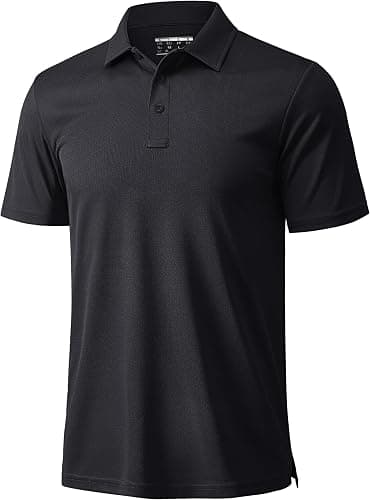
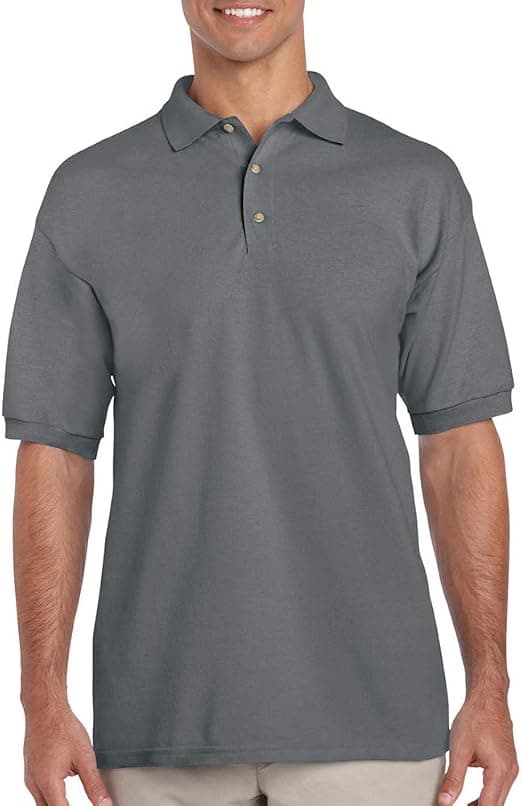
An agency ordering client uniforms is managing three things a direct buyer is not: a brand guideline document, an approval chain, and a campaign date that will not move. Corporate uniforms start at $20 a piece at 50 pieces, production is 10 to 15 working days from artwork approval, and the approval itself is where agency timelines usually slip.
How do you quote a client for branded kit?
Quote from the tier the client will actually commit to, and show them the tiers so the conversation about quantity happens once. Tiers run 50 to 99, 100 to 249, 250 to 499, 500 to 999 and 1,000 upward, with up to 35% off the 50-piece price at the top. A client debating between 90 and 110 pieces is often better served being shown what crossing into the next band does.
Break the quote into garment, decoration, private label extras and delivery rather than presenting one blended number. Clients challenge blended numbers and accept itemised ones, and it saves the awkward conversation when a sponsor logo gets added at the last minute. The uniforms range is the page to send alongside a proposal.
What do brand guidelines change on a garment?
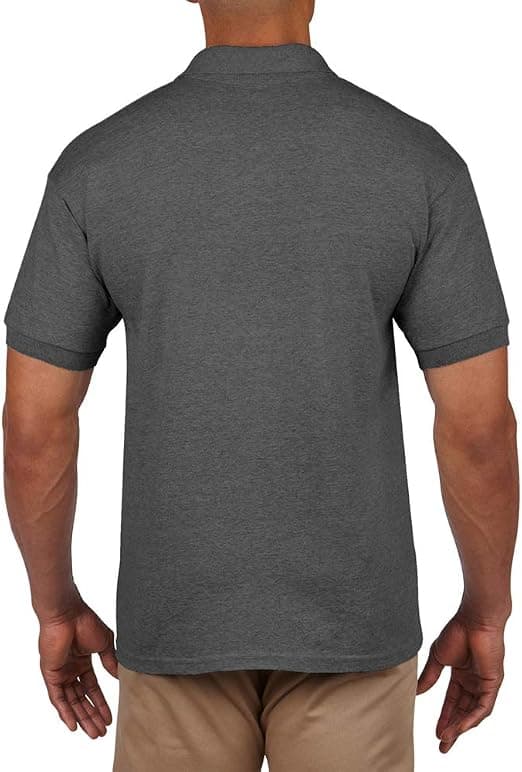
Most guideline documents were written for screen and print, not for fabric, so two things always need translating. Exclusion zones designed for a page rarely survive a chest panel, and brand colours specified for coated stock will not land identically on dyed cloth. Neither is a problem, but both need raising with the client before the proof, not after.
The colour point is worth pre-empting in writing. A reference is matched as closely as the fabric allows and confirmed on a physical sample rather than a screen render — the reasons are set out in colour matching. Agencies that flag this at proposal stage never have the argument later.
How do you build in the approval rounds?
Production starts the day artwork is approved, so every day spent waiting for a client sign-off is a day added to the front of the schedule. Give the client a named approval deadline with the consequence attached in plain terms: approval by a date, delivery by a date, and the second moves if the first does.
Where the campaign date is genuinely immovable, take the £150 sample early. It is credited against the bulk order, it settles fit and colour arguments before the main run, and it gives the client something physical to approve instead of a render. What to send and how files are prepared is covered in artwork setup for custom uniforms.
What if the client wants two variants?
Two variants means two runs of 50, because the minimum applies per design and per colourway needing its own screens. That is usually the point where a client decides one variant is enough. Where both are genuinely needed, the combined quantity still counts towards the tier, so 50 of each lands in the 100 to 249 band rather than being priced as two separate small orders.
For agencies running repeat campaigns for the same client, keeping one garment body across campaigns and changing only the decoration is the cleanest structure. The wider picture for corporate buyers covers how that works across a multi-site rollout.
Keep a record of the finished job in the client file as well. The approved artwork version, the garment specification, the colour reference and the delivered quantities are what the next campaign gets built from, and they are also what protects the agency when someone asks why year two looks fractionally different from year one. Agencies that hand this over as part of the wrap-up get asked back for the reorder. Those that do not tend to find the client going direct, holding a photograph and no specification at all. A single shared folder, handed over with the invoice, is the whole of the work involved.