Pricing Tracksuits for Resale
By The Velocity Wear Team
Price from landed cost, not from the quoted set price. Landed cost is the per-set figure plus decoration, plus freight and any duty, divided across the sets that arrive. Only once that number exists does a margin mean anything. A seller who prices off the $53 from-price alone has left freight, screens and labelling out of a calculation they will be living with for a season.
What goes into landed cost per set?
Take the invoice total for the production run, add the freight invoice, add any import duty or handling charge, then divide by the number of sets delivered. That gives one honest figure per set. Include the screen setup and digitising in the first run even though they will not recur, because the first run has to carry them.
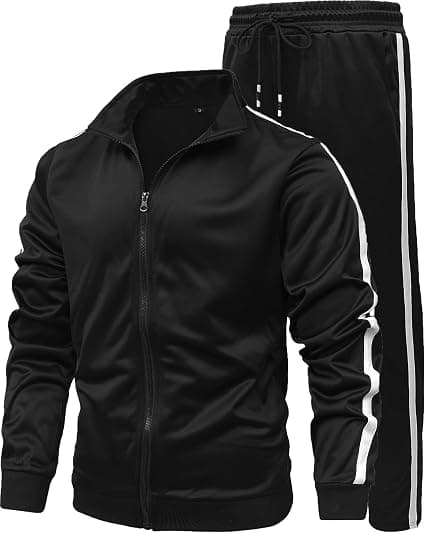
Packaging counts too if you are shipping to customers. Printed bags, swing tags, a mailer and the label all sit between the garment and the buyer, and they are part of what each sale costs you. Set prices and decoration options are on our tracksuits page, with the volume structure on the pricing page.
How do sellers usually set a retail figure?
Most work from a multiple of landed cost rather than a fixed pound figure, because a multiple keeps the margin intact when costs move. What multiple is right depends on your channel: selling direct carries marketing and returns that a wholesale account does not, and selling through a shop means the shop needs its own margin inside your price.
Two costs get forgotten with predictable regularity. Returns, which on apparel are driven mostly by fit rather than fault. And payment processing, which is a percentage of every transaction rather than a fixed sum. Neither is dramatic on its own; together they are the difference between a margin that works and one that only looks like it does.
Does ordering deeper change the maths?
It changes the cost side substantially. Moving from the 50 to 99 band up through 100 to 249, 250 to 499, 500 to 999 and beyond 1,000 reduces the per-set price by up to 35% against the 50-set figure, and the fixed setup costs spread across more units at the same time. Both effects push landed cost down.
What it also does is put money into stock that has not sold yet. Five hundred sets at a better unit cost is only better if they move, and a co-ord set ties up more capital per unit than a t-shirt does. Pre-order or buy stock first works through that decision without pretending there is one right answer.
What should be settled before prices go public?
Which sizes you will hold, because a published price implies availability. Whether you are selling the set only or splitting it — a top and a jogger sold separately need two prices and two stock lines from one purchase. And what happens when the run sells out, since the minimum on a reorder is another 50 sets.
Decide the fulfilment model before the listing goes live rather than after the first order. Private label, dropshipping and inventory explained lays out what each approach does to the numbers you have just built.
Model the sell-through as well as the margin. A set that returns a healthy margin on every unit still loses money overall if a third of the run never sells, and co-ord sets concentrate that risk because each unit represents more stock value than a single garment does. Work out what proportion has to sell before the run breaks even, and check that the number looks achievable before the order goes in.