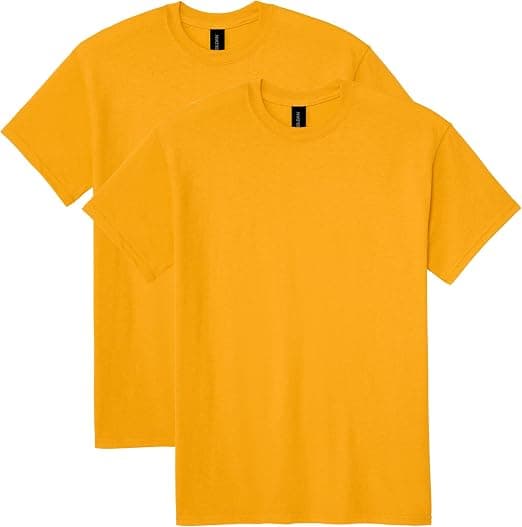
Managing Apparel for Franchise Networks
By The Velocity Wear Team
Need this made?Get pricing for this product— free, no obligation, 50 pieces minimum.
Franchise apparel has a structural tension inside it that no amount of process design removes: the franchisor owns the brand, but the franchisee owns the budget. Any system ignoring that will fail, because head office cannot make an independent business spend its own money on a garment it did not choose. The models that hold up in practice are a mandated core with free choice above it, a central annual buy recharged at cost, or an approved supplier ordering against a locked specification.
Name the Tension Instead of Pretending It Is Absent
A franchisee is not a branch manager. They run their own profit and loss, they see the uniform line as a cost they control, and their relationship with head office is contractual rather than managerial. Brand teams who treat franchise apparel as though they were managing multiple sites of one company get frustrated fast, franchisees get defensive, and you end up with a network quietly buying polos from a local printer.
Accepting that up front changes the whole design of the programme. You are not enforcing a standard. You are competing for a purchasing decision somebody else is making.
Model One: Mandated Core, Free Choice Above It
Define a small number of customer-facing garments that are non-negotiable, typically the shirt or polo and anything worn front of house, and leave everything else open. Franchisees can add outerwear, caps or a warehouse tee from wherever they like as long as the core is right. This works because the mandate is narrow enough to be defensible and cheap enough not to feel like an imposition. A network told four items are fixed complies far more readily than one told fourteen are.
Model Two: Central Buy, Recharged at Cost
Head office places one large order for the whole network and recharges each franchisee for what they take. The advantage is total control of specification plus the best available pricing, since combined network volume travels a long way into a bulk discount reaching up to around 35%. The disadvantage is that head office carries the cash and the stock, and has to handle franchisees who order less than they forecast.
Model Three: Approved Supplier, Locked Specification
Franchisees order directly, on their own budget and their own timing, but from a specification head office controls: named garment codes, named colours, an approved artwork file and placement recorded in millimetres. Nobody at head office touches the transaction. This is the lightest model to administer and the one most large networks settle on. Its weakness is the minimum order. A single site with six staff cannot easily reach 50 pieces on one garment, which pushes franchisees towards buying a full year in one go, or towards a network ordering window.
Network Ordering Windows
This is the mechanism that makes the approved supplier model work for small sites. Head office publishes two order dates a year. Franchisees opt in with quantities and sizes by a deadline, everything runs as one production run, and each site is invoiced and shipped separately. Nobody is compelled, no budget is touched without consent, and the combined volume gets every participant a better price than they could reach alone. It also solves the specification problem quietly, because a franchisee ordering inside the window cannot order the wrong garment.
Lock the Specification in Measurements
Decentralised ordering only stays consistent if the specification is unambiguous. Record this much, and store it somewhere permanent rather than in an email chain.
- Supplier garment code plus the exact colour name and code, since two navies from different manufacturers are visibly different.
- The approved logo file in vector form, with a rule that nothing is ever pulled from the website or a presentation.
- Decoration method per garment, because an embroidered polo and a printed one do not read as the same uniform.
- Placement measured in millimetres from a fixed seam, plus logo width. Left chest is not a specification.
- Thread or ink references, so the logo colour matches across runs and across sites.
“"You cannot mandate a franchisee into brand consistency. You can only make the on-brand order the cheapest and easiest thing on their desk that week."”
Who Pays When the Brand Changes
This is the genuinely awkward one, and it is worth deciding before it happens rather than during. A mid-term identity change lands on franchisee budgets for a decision they had no part in, and the resentment outlasts the uniform by years. The reasonable options are a transition long enough that most kit is replaced at natural end of life, head office funding the core garments while franchisees fund the rest, or a central buy for the changeover only. Whichever you choose, say it in advance and in writing. Networks tolerate cost they saw coming far better than cost arriving with a brand guidelines PDF attached.
Onboarding, and Enforcement That Does Not Sour the Relationship
A new site opening is the one moment where compliance is effortless, because nobody has existing stock or existing habits. Have a defined opening kit ready in the franchise pack, priced and specified, so a franchisee's first order is automatically the right one. Networks that treat opening kit as an afterthought spend three years correcting decisions made in the first fortnight.
Beyond that, auditing franchise uniform aggressively rarely improves anything, and mystery shopping for polo colours reads as petty. Make the compliant route the path of least resistance instead. If the network window is cheaper per piece than a local printer, arrives on a predictable date and needs one form filling in, most franchisees will use it without being asked. Compliance you have to police is usually a sign the programme is priced or organised wrong.