Hoodies for Retailers: size splits
By The Velocity Wear Team
Sizes mix freely inside the 50-piece minimum, so the curve costs nothing to set and a great deal to set badly. A retail run breaks from the middle outwards: medium and large go first, and once they are gone the rail stops selling even though the stock figure still looks respectable. Weight the middle heavily and keep the extremes deliberately shallow.
What curve should a retailer order?
Start from your own till data if you have any, and from a middle-weighted shape if you do not. For a unisex hoodie, a first order in the region of five small, thirteen medium, sixteen large, ten extra large and six double extra large is a defensible opening position. The shape matters more than the exact numbers. What you are trying to avoid is a flat split across five sizes, which looks fair on a spreadsheet and guarantees that two sizes sell out while three sit. The hoodie wholesale minimum is per design rather than per size, so the shape is entirely yours to choose.
Why does a broken size run cost more than it looks?
Because the remaining stock stops converting. A customer who wants large and finds only small and double extra large does not buy a different size, they leave. From that point the rail is generating no revenue while still occupying space and capital, and the eventual exit is a markdown. That is the real cost of a bad curve, and it is why the reorder point should be measured on the middle sizes rather than on total units. Rebalancing early is cheaper than discounting late.
Does the fit you stock change the shape of the curve?
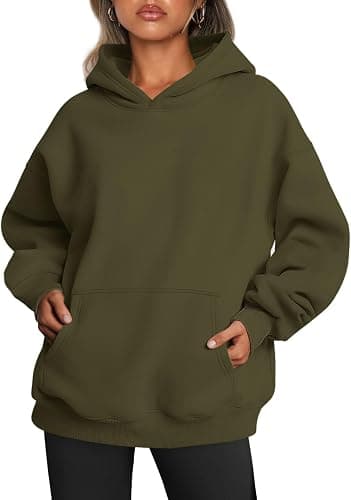
Substantially. Fits run from classic through to oversized, and an oversized body wears roughly a size larger than a classic cut at the same label. A shop stocking an oversized hoodie on a classic-cut curve ends up long on the top sizes, because customers self-correct downwards once they try it on. Put real measurements on the ticket and on your product page, since that is what prevents both returns and a fitting room full of rejected sizes. Apparel Sizing and Fit covers which measurements to publish, and Canadian Sizing is worth reading for anyone selling across North American conventions.
How do you correct the split on the next run?
Record two numbers per size, ordered and sold, and add a third: how quickly each size cleared. A size that sold out in the first fortnight was underordered even if the season total looks balanced, and a size that lingered until markdown was overordered even if it eventually went. Adjust the shape rather than scaling it, because a larger run built on the same curve just multiplies the imbalance. Retailers carrying several categories can apply the same method across the wider wholesale range, where the split behaves differently on caps and polos than it does on fleece.
One habit worth adopting: photograph the rail or the fold stack at the same point every week. It takes seconds and it shows the run breaking in a way a stock report does not, because a gap in the middle of a stack is visually obvious long before the totals look alarming. Retailers who do this catch the reorder point by eye and rarely have to chase a size back into stock, which is the whole aim of setting the curve carefully in the first place.
Make sure whoever is on the floor knows how the garment is cut. A member of staff who can say that this one wears generous and you will probably want your usual size does more for conversion than any ticket, and it heads off the returns that come from a customer sizing up out of habit. Keep one piece in each fit available to try on, even in the sizes that have otherwise sold out.