How to Handle Apparel Requests From Departments Sensibly
By The Velocity Wear Team
Need this made?Get pricing for this product— free, no obligation, 50 pieces minimum.
The fix is a short intake form, two or three fixed order windows a year, an approved catalogue that limits the choices, and a recharge mechanism so departments still pay from their own budget. Departments order separately because ordering separately is currently the fastest route to what they want. Make the central route faster and cheaper than going around it, and the problem resolves itself without anyone needing to police it.
Why Separate Ordering Is Expensive
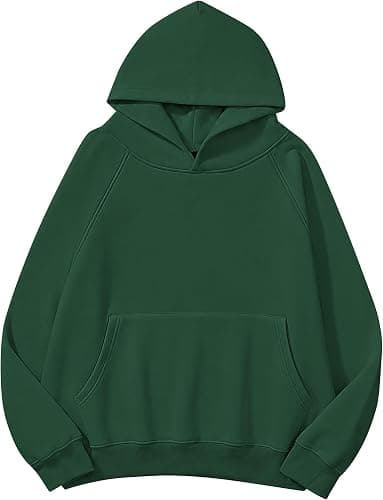
Every independent order starts the pricing from scratch. Velocity Wear works to a 50-piece minimum per order with sizes mixed freely, and bulk discounts reach up to around 35% as quantities rise. Six departments each ordering fifteen hoodies do not even reach the minimum individually, so they either pad their order or fail to place it, and none of them get anywhere near volume pricing. The same ninety hoodies ordered together sit in a completely different bracket.
There is a second cost that never shows on an invoice. Each separate order needs its own artwork approval, its own proofing round and its own delivery, and production starts at artwork approval rather than order placement. Six approval cycles is six chances for something to be signed off by someone who was not looking closely at the brand colour.
Build an Intake Form, Not an Email Address
An email inbox produces requests with half the information missing and a follow-up thread to extract the rest. A short form gets it in one pass. Keep it to the minimum you genuinely need, because a long form pushes people back towards ordering independently.
- What it is for and the date it is needed by, since deadlines determine whether the request can wait for the next window.
- Quantity split by size, entered against a published size chart rather than free text.
- Which catalogue items are wanted, chosen from a fixed list rather than described in prose.
- The cost centre paying, captured at the point of request so the recharge is not a later negotiation.
- Any personalisation required, since names and numbers change the process and cannot be reissued to someone else.
An Approved Catalogue Does the Heavy Lifting
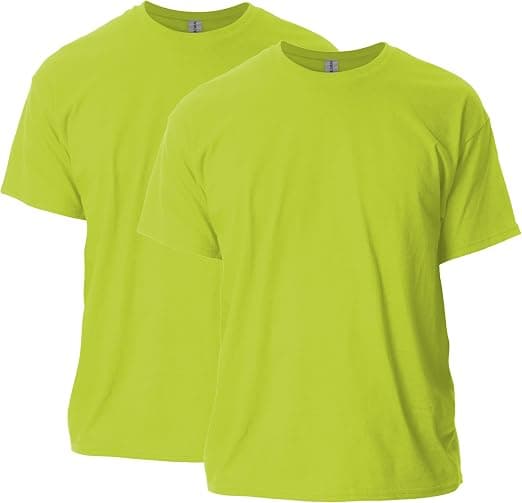
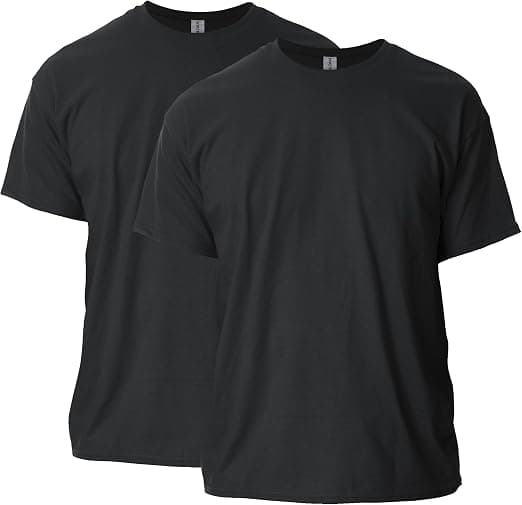
Most of the friction in internal apparel comes from open-ended choice. Publish a short catalogue: three or four garments, a fixed set of colours, one decoration method per item, and the mark already positioned. Departments choose from it. If someone wants something outside the catalogue they can ask, but the request goes through a different and slower route, which is exactly the incentive you want. A catalogue also keeps quantities concentrated on fewer lines, which is what makes consolidation worth anything.
Fixed Windows Are the Mechanism
Publish two or three ordering dates for the year at the start of it. Requests that arrive between windows wait for the next one unless there is a genuine event deadline. This is the part people resist and it is the part that produces the saving, so it needs visible support from whoever owns the budget. Once departments know the dates they plan around them, and the requests that used to arrive as emergencies turn out to have been perfectly plannable.
“"Rogue orders are not a discipline problem. They are what happens when the official route takes three weeks longer than going around it."”
Recharge So Departments Still Own the Cost
Centralising the order should not mean centralising the bill, or you have simply moved the spend onto one budget and created an internal free-for-all. Capture the cost centre on the request form and recharge each department for its share. Departments then keep the incentive to order sensibly, while the organisation still gets the volume. Show them the per-piece figure they would have paid alone against the consolidated figure once, and the process largely sells itself.
Handle Genuine Urgency Without Breaking the System
Some requests really are urgent. A conference date moves, a new client site opens, a team wins something unexpectedly. Have a named route for that rather than pretending it will not happen, because an unofficial exception path is how the whole system erodes. Keep a small buffer of plain core items in common sizes for the most predictable emergencies, and require sign-off from the budget owner for anything that jumps a window. Making urgency slightly awkward, rather than impossible, is what keeps it genuinely rare.
Keep One Specification Across Every Department
The visible cost of fragmented ordering is that the marketing team's hoodie is not quite the same navy as the operations team's. Hold one specification sheet with garment codes, exact colour names, decoration methods, thread and ink references, logo dimensions in millimetres and placement measured from the high point of the shoulder, plus the approved proofs. Every order goes against it. Departments can preview layouts in the free Design Studio and check what different quantities do to the per-piece cost in the instant price calculator, which is often what convinces a reluctant department that waiting three weeks for the next window is worth doing.