Extending Garment Life: Care, Repair and Buying Better
By The Velocity Wear Team
Need this made?Get pricing for this product— free, no obligation, 50 pieces minimum.
A garment worn for five years has roughly a fifth of the impact per wear of one replaced annually. Longevity is determined at three points: the specification you order, how it is cared for, and whether small failures get repaired rather than ending the garment's life.
It Starts at the Order
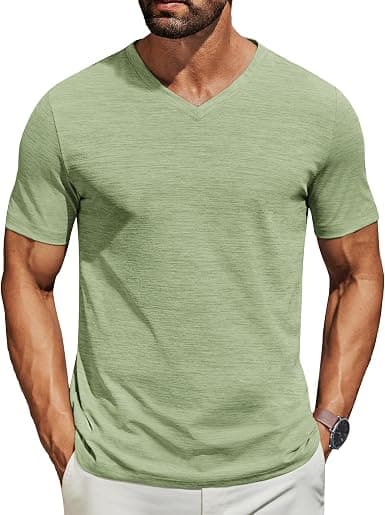
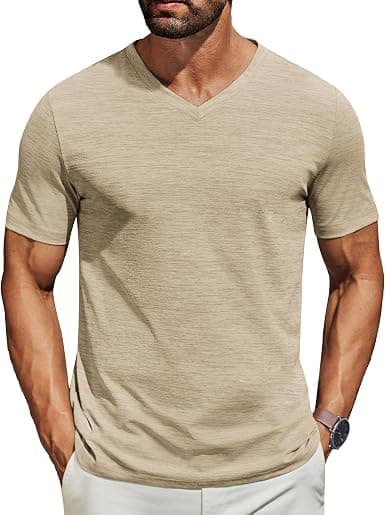
Most of a garment's lifespan is decided before anyone wears it. A heavier fabric holds its shape longer. Ringspun and combed cotton pill less than coarse carded cotton. A ribbed collar with good recovery is the difference between a tee that still looks right after two years and one that does not. Embroidery on a garment washed hot outlasts print, which eventually cracks. None of these are care decisions — they are specification decisions made at ordering.
The Care Routine That Matters
Four habits do almost all the work.
- Wash at 30 degrees. Heat is the main driver of both dye loss and print degradation.
- Wash inside out, protecting the printed or embroidered surface from abrasion.
- Avoid tumble drying. This is the single most effective change anyone can make — it applies heat and agitation simultaneously, which is what cracks prints.
- Iron inside out and never directly onto a print, which can soften, mark or permanently damage it.
Wash Less Often
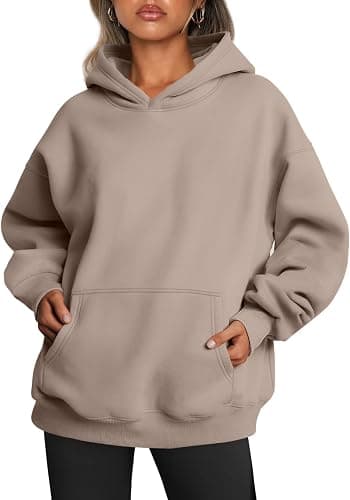
Worth stating because it is rarely said: many garments are washed more often than they need to be. Hoodies, sweatshirts and outer layers in particular are often washed after a single wear out of habit rather than necessity. Every wash cycle costs some fabric life, some colour and some print integrity. Airing a garment between wears rather than washing it extends its life measurably and costs nothing.
Simple Repairs
A surprising number of garments are discarded for problems that take ten minutes to fix. A seam that has opened, a loose thread on an embroidered logo, a missing drawcord, a small hole — all are straightforward repairs, and none of them require skill beyond a needle and thread. Pilling can be removed with a fabric shaver, which restores the appearance of a hoodie considerably. The barrier is usually the assumption that a flawed garment is finished rather than fixable.
“"Most clothing is not thrown away because it failed. It is thrown away because nobody spent ten minutes on it."”
Print Damage
A cracked print is the one common failure that is genuinely hard to repair, which is an argument for prevention rather than remedy. It is also an argument for embroidery on anything that will be washed frequently and hot — uniform, workwear, club kit — since stitched decoration has no surface layer to fail. Where a print does begin to crack, avoiding further heat exposure slows it considerably.
What This Means for Ordering
If you are producing garments for others — a team, a workforce, customers — durability is something you specify on their behalf. Choosing a better blank, choosing embroidery for high-wash applications, and including care guidance with the product all extend usable life at modest cost. Orders start at 50 pieces with mixed sizes allowed, so wash-testing a piece from a first run tells you how a specification will actually hold up. Model fabric options in the free instant price calculator — the step up to a longer-lasting blank is usually smaller than the cost of replacing a poor one early.