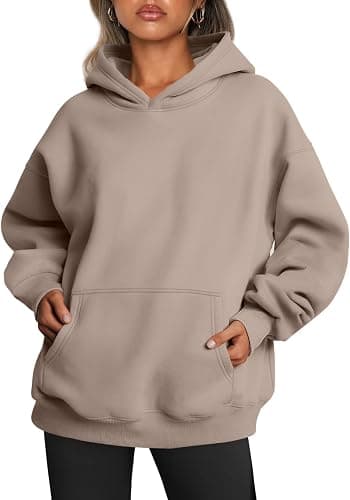
Eco-Friendly Custom Hoodies: Organic Cotton, Recycled Fleece & Water-Based Inks
By The Velocity Wear Team
Need this made?Get pricing for this product— free, no obligation, 50 pieces minimum.
Sustainability is no longer a niche. A growing share of UK and USA shoppers — especially younger ones — actively prefer brands that tread lightly on the planet, and many will pay more for it. The good news: making a genuinely eco-friendly custom hoodie is more achievable than ever. Here is what actually moves the needle, and how to talk about it honestly.
Start with the fabric — it is most of your footprint
The biggest environmental lever in any garment is the fabric itself. Choosing a lower-impact base material does more than any logo or tagline ever will.
- Organic cotton — grown without synthetic pesticides and with less water than conventional cotton.
- Recycled cotton — diverts textile waste and cuts the demand for virgin fibre.
- Recycled polyester fleece — made from post-consumer plastic, often blended for warmth and durability.
- Cotton blends with recycled content — a practical balance of feel, durability and lower impact.
Choose water-based and eco inks
Conventional plastisol inks are plastic-based. Water-based and eco-certified inks soak into the fabric for a softer hand-feel and a lower chemical footprint. They produce a beautiful vintage, broken-in print that pairs perfectly with organic fabrics — so the sustainable choice is also an aesthetic upgrade.
Cut waste in production and packaging
Sustainability is also about how much you make and how you ship it. Low-MOQ, make-to-demand production avoids the dead stock that ends up in landfill. On the packaging side, small swaps add up:
- Recycled or paper mailers instead of virgin plastic.
- Recycled card hang tags and woven labels printed with eco inks.
- Right-sized packaging to cut shipping volume and emissions.
- Order-to-demand batches to minimise overproduction.
Market it honestly — avoid greenwashing
Shoppers and regulators are quick to spot vague eco claims. The rule is simple: be specific and be truthful. Say exactly what is sustainable about the product — "made from organic cotton, printed with water-based inks, shipped in recycled packaging" — rather than slapping an unbacked "eco" badge on everything. Honest specificity builds the trust that vague claims destroy.
The most sustainable garment is the one that gets worn for years. Quality fabric and timeless design are themselves a form of sustainability.
Sustainability is also good business
Done right, an eco range is not a cost centre — it is a differentiator. It supports a higher price point, attracts a loyal values-driven audience, and gives your marketing a genuine story to tell. Pair it with durable, heavyweight fabric so the product lasts, and the environmental and commercial cases line up perfectly.
Velocity Wear offers organic and recycled fabric options, water-based and eco inks, and recycled branding and packaging, with a low MOQ so you make only what you can sell. Ask for a sustainable-build quote and we will spec an eco range for your brand.