Pest Control Workwear: Trust at the Door, Kit You Can Retire
By The Velocity Wear Team
Need this made?Get pricing for this product— free, no obligation, 50 pieces minimum.
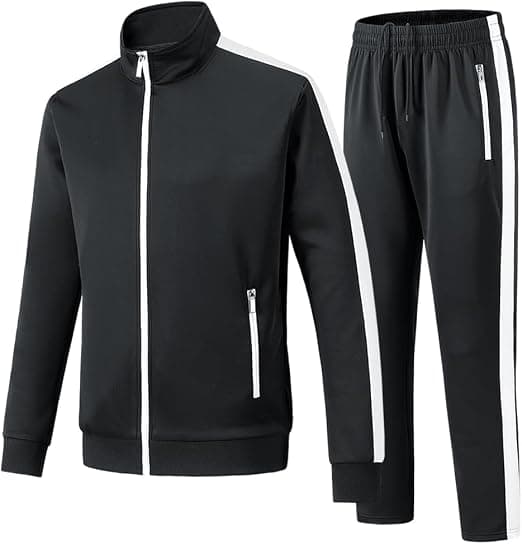
Pest control uniform balances something no other trade uniform has to. It must make a stranger comfortable letting you into their home, and it must be cheap enough to retire when it gets contaminated. In practice that means a clean, clearly branded top layer worn under disposable coveralls, plus a stable garment range you can reorder identically for years. Velocity Wear produces branded pest control kit online from a 50-piece minimum with sizes mixed freely.
The Uniform Is Half the Reassurance
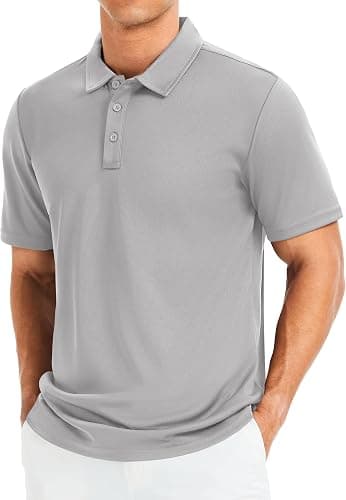
You are knocking on a door and asking to go into someone's kitchen or loft. A matching polo with a legible company name does a surprising amount of work in the first ten seconds. It should agree with the van, the paperwork and whatever identification your firm issues. Mismatched kit reads as improvised or subcontracted, which is exactly the impression you do not want at a nervous customer's front door.
Discretion Is a Real Requirement, Not a Preference
Plenty of domestic customers are embarrassed about the call-out. They do not want a technician standing on a terraced doorstep with PEST CONTROL across their shoulders in enormous letters while the neighbours walk past. Commercial and food-sector work is the opposite: identification is expected, sometimes required by the site, and being obviously identifiable is the whole point. The practical answer is two versions of one uniform.
- A domestic version: company name only, moderate size, no wording that describes what you are treating.
- A commercial version: full trading name plus service description, sized to identify a technician across a warehouse floor.
- The same logo on both, so the fleet still reads as one company.
- A technician first name, embroidered or on a badge, which reads as accountable rather than anonymous.
- Nothing on the garment that duplicates or imitates formal identification issued by your firm.
Specify for Contamination, Not for Longevity
Kit gets dusty, gets into lofts and voids, and picks up residues from the products you carry and the environments you enter. Garments in this trade get retired early, and that is normal rather than a failure. The sensible structure is a branded layer that stays relatively clean, worn under disposable coveralls that take the contamination and are disposed of properly. Do not send your most expensive embroidered softshell into a crawl space. Send a mid-range polo and treat it as consumable.
Buy a Garment You Can Still Order in Three Years
Most firms learn this one the hard way. Fashion-led blanks get discontinued, restyled, or shifted half a shade between seasons, and when you reorder eighteen months later the new polos do not quite match the old ones. For a uniform replaced piecemeal as garments are retired, a stable, unexciting, widely stocked core garment beats a nicer one you cannot get again. Keep the garment reference and the artwork on file, then reorder exactly the same thing.
“"You are being let into someone's home by a stranger who called you. The uniform is doing more work than the van."”
Decoration Methods That Suit the Job
Embroidery is the natural fit for polos, fleeces and softshells: durable, washes well, and reads as a proper uniform rather than a promotional tee. Fine detail and small text need simplifying before they stitch cleanly, so send a vector logo and expect to lose hairline elements. Screen printing suits bold, limited-colour designs on tees at volume, with setup charged per colour. DTF is the sensible route for a detailed, full-colour logo on a shorter run, with no per-colour setup and no restriction to cotton.
Commercial and Food-Sector Sites Set Their Own Rules
Warehouses, food production sites and hospitality clients frequently impose their own requirements around identification, colour, hi-vis and what may be worn in a production area. Those rules are contractual and site-specific, so check them with the client before you order rather than after. Where a customer is audited, being able to show consistent, identifiable technician uniform is part of what they are paying you for.
Ordering Branded Pest Control Kit
The minimum is 50 pieces per order with sizes mixed freely, so a small firm can cover several technicians and hold spares in a single run. Bulk discounts reach up to around 35% as quantities rise, which is worth planning around given how often kit is retired in this sector. Production begins once artwork is approved, with embroidery and screen printing typically around 10 to 15 working days from approval and more complex jobs nearer 15 to 20, followed by tracked UK delivery of roughly 2 to 5 working days. Everything is briefed and proofed online through the free Design Studio, with live costs in the instant price calculator.