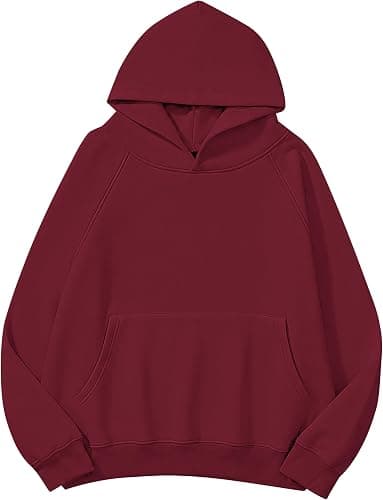
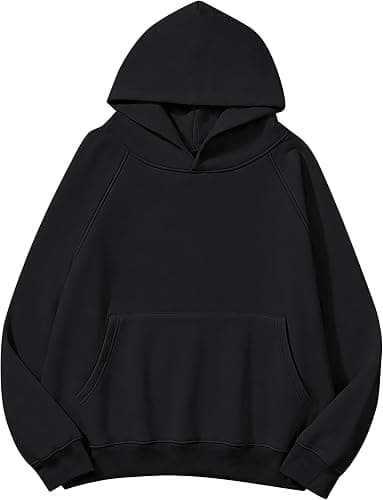
The Oversized and Heavyweight Hoodie Trend Explained
By The Velocity Wear Team
Need this made?Get pricing for this product— free, no obligation, 50 pieces minimum.
The oversized, heavyweight hoodie has gone from niche streetwear flex to a default expectation for premium brands, and it shows no sign of fading. But the look is widely misunderstood. It is not simply ordering a size up in a standard hoodie — that just gives you a baggy, sloppy garment. The real trend is a precise combination of heavy fabric, a deliberately boxy cut, dropped shoulders and considered finishing that together create a structured, sculptural silhouette. Get the recipe right and the hoodie feels expensive and intentional. Get it wrong and it reads as oversized for the sake of it. Here’s what actually drives the look and how to do it properly.
Why the trend took hold
Several forces converged. Streetwear normalised relaxed, gender-neutral silhouettes that prioritise comfort and presence over a tailored fit. Premium drop culture taught customers that a heavier, more substantial garment can justify a higher price. And social media rewards pieces that photograph with strong, architectural shapes — a boxy heavyweight hoodie simply looks more striking on camera than a slim one. The result is a market where “heavyweight” and “oversized” have become shorthand for quality, even when, technically, neither guarantees it.
The fabric: weight is the foundation
The look starts with cloth. Standard hoodies sit around 280–320 gsm; the heavyweight trend lives at roughly 380–500 gsm. That density is what makes the garment hold its shape, stand slightly away from the body, and feel dense and premium in the hand. The trade-off is real: heavier fleece costs more, ships heavier, takes longer to dry and can feel warm indoors. The skill is choosing a weight that delivers the structured hand without becoming a stiff, impractical brick that nobody wears twice.
- Around 380–420 gsm: noticeably substantial and structured, still wearable indoors and comfortable for most climates.
- Around 450–500 gsm: maximum presence and a true “heavyweight” hand, but stiff at first and best for cooler weather.
- Brushed-back or loopback fleece changes the inside feel; brushed is softer and warmer, loopback is cleaner and more breathable.
- A tighter, denser knit holds the boxy shape better than a loose one at the same GSM.
The cut: boxy, not just bigger
A genuine oversized fit is engineered, not borrowed from a larger size. The defining features are a shorter, wider body that creates a square silhouette, dropped shoulder seams that sit partway down the arm, roomy sleeves, and ribbing at the hem and cuffs that anchors the volume so it looks deliberate rather than baggy. Simply scaling up a regular block lengthens the body and sleeves too much and ruins the proportions. If you want the trend done right, you need a pattern cut specifically for the oversized look.
- Specify a boxy block: shorter body length relative to width for that square shape.
- Drop the shoulder seam deliberately so it falls onto the upper arm.
- Keep sleeves generous but anchor them with ribbed cuffs so they don’t swallow the hands.
- Use a substantial ribbed hem to hold the volume and stop the hoodie billowing.
The finishing that signals premium
Details separate a convincing heavyweight from a generic one. Garment dyeing gives a soft, lived-in colour with subtle tonal variation that customers associate with premium pieces. Heavyweight ribbing, double-needle stitching, custom drawcords and tonal or embroidered branding all reinforce the sense of substance. On thick fleece, embroidery sits beautifully and puff print or 3D effects gain real presence. These touches cost a little more but they are exactly what justify the higher price the trend commands.
Heavyweight isn’t a number on a spec sheet — it’s a feeling in the hand, and the finishing is what sells it.
Common mistakes brands make
The trend is easy to get wrong. The most frequent error is chasing weight alone — a 480 gsm hoodie in a standard cut just feels heavy and shapeless. Another is over-sizing without anchoring the volume, so the garment looks like it’s drowning the wearer. Many brands also forget the practical downsides: heavyweight fleece is hot indoors, slow to dry and pricier to post internationally, so it suits cooler markets and premium positioning far better than everyday giveaways.
Is the trend right for your brand?
The heavyweight oversized hoodie suits brands selling on quality, identity and premium feel — streetwear labels, music and creative merch, and limited drops where customers expect substance. It is less suited to budget promotional runs, warm climates and audiences who want lightweight everyday comfort. If your positioning and price point support it, the trend delivers a genuinely premium product. If not, a well-cut midweight will serve you better and cost less to ship.
If the heavyweight look is right for you, Velocity Wear produces oversized, boxy-fit hoodies in weights up to true heavyweight, with garment dyeing, premium ribbing and embroidery or puff print to finish them properly — all from a 50-piece minimum with tracked delivery to the UK, USA, Europe and worldwide. Share your reference fit and we’ll sample it and send a free quote before you commit.