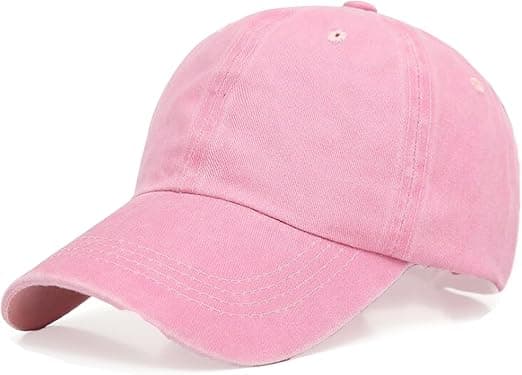
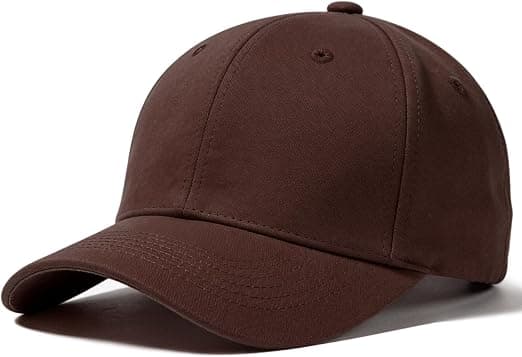
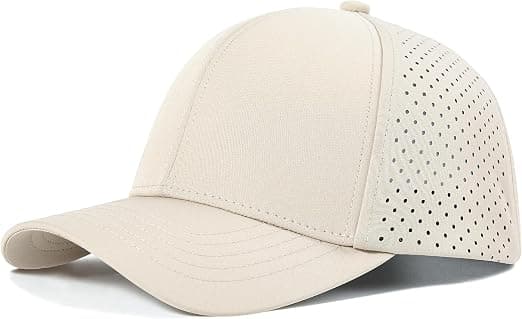
A Complete Guide to Custom Cap Embroidery
By The Velocity Wear Team
Need this made?Get pricing for this product— free, no obligation, 50 pieces minimum.
Embroidery is the finish that makes a custom cap feel like a real product rather than a printed giveaway. Thread sitting raised on the front panel reads as quality, survives years of wear and washing, and gives a brand a tactile, premium edge that print can’t match. But embroidery on a curved, structured cap is genuinely harder than embroidery on a flat tee, and the difference between a crisp logo and a puckered mess comes down to a handful of technical choices. This guide explains all of them so you can brief and buy with confidence.
Digitising: the step that decides everything
An embroidery machine doesn’t read your logo file — it reads a digitised stitch file that a specialist creates from your artwork. Digitising maps out every stitch: its type, direction, density and order. Good digitising is the single biggest factor in how your finished cap looks, and a beautiful logo with a poorly digitised file will embroider badly every time.
- Supply the cleanest vector artwork you have — it gives the digitiser the most accurate shapes to work from.
- Tell the digitiser it’s for a cap, not a flat garment — cap digitising accounts for the curve and stitches from the centre outwards.
- Always approve a stitch-out or sew sample on the actual cap before a full run; a screen preview never tells the whole story.
- Keep the approved file — a one-off digitising charge means future re-orders cost nothing to set up again.
The main stitch types and when to use them
Embroidered logos are built from a small vocabulary of stitch types, and knowing them helps you understand why some designs translate cleanly and others don’t. The digitiser chooses the mix, but your design choices drive what’s possible.
- Satin stitch: smooth, glossy parallel stitches ideal for lettering and outlines — best up to roughly a centimetre wide before it needs splitting.
- Fill (tatami) stitch: rows of stitching that cover larger solid areas like a filled badge or background.
- Running stitch: a single thin line used for fine detail, small text and outlines.
- Bartack: tightly packed stitches that lock and reinforce edges and end points.
3D puff: raised lettering with real presence
3D puff is the technique behind those bold, raised letters you see on premium snapbacks. A piece of foam is laid on the panel and the embroidery stitches over it, lifting the design off the cap for a striking, sculptural effect. It’s fantastic for chunky letterforms and simple bold shapes, but it has limits worth respecting.
- Use it for bold, thick elements — fine lines and small text don’t hold up over foam.
- Keep letterforms simple and chunky; intricate serifs and tight detail get lost.
- Expect a minimum stroke width — your supplier can advise the smallest element that will puff cleanly.
- Combine puff and flat embroidery in one design to mix a raised headline with flat detail beneath it.
Placement and sizing on a cap
A cap gives you several distinct branding zones, and each has its own size limits set by the panel and the machine hoop. Getting placement and size right at the brief stage avoids the classic mistakes — a logo crammed too close to the seam, or text so small it blurs into a thread blob.
- Front centre: the hero spot — roughly 5 to 6 cm tall of usable height on a structured cap, watching the central seam on a 6-panel.
- Side panel: smaller secondary marks, a date or a small icon, around 4 to 5 cm wide.
- Back: above the closure, good for a small wordmark or web address.
- Brim and rear strap: niche accents that add detail on premium pieces.
Thread, colours and keeping detail legible
Thread choice and colour count affect both look and cost. Most cap embroidery uses polyester thread for its durability and colourfastness, with rayon reserved for a softer sheen on premium work. Every thread colour is a separate setup on the machine, so design intentionally rather than throwing in colours you don’t need.
- Limit your palette — three or four thread colours usually cover a strong logo and keep production tidy.
- Match colours to a thread chart, not your screen, because thread colours are fixed references like Pantone.
- Avoid tiny text under about 4 mm tall — it fills in and becomes illegible in thread.
- Add a thin outline or knockdown around detail on textured fabric to stop stitches sinking in.
Print forgives a lot; embroidery forgives almost nothing. Simplify the logo before the machine has to.
A good brief saves a round of revisions: tell your supplier the cap style, the exact placement and finished size, the stitch effect you want, your thread colours by reference, and whether any element should be 3D puff — then insist on a sew sample before the full run. When you’re ready to put thread on caps, Velocity Wear handles the whole chain — in-house digitising, flat and 3D puff embroidery, woven patches and multi-position branding — across snapbacks, fitted, dad hats and trucker caps from a 50-piece minimum, with bulk pricing that improves at higher volumes. We ship tracked to the UK, USA, Europe and worldwide, and a free quote includes a digitised proof so you can sign off the stitch before we sew a single cap.