How to Choose a Blank Cap Supplier
By The Velocity Wear Team
Need this made?Get pricing for this product— free, no obligation, 50 pieces minimum.
Every great custom cap starts as a blank, and no amount of brilliant embroidery can rescue a cheap, badly made base. Choosing the right blank cap supplier — or a manufacturer that supplies and decorates in one — is one of the most consequential decisions a brand makes, and it’s about far more than the lowest price per unit. This guide walks through what actually separates a reliable partner from a costly mistake, and the questions to ask before you commit.
Judge quality before anything else
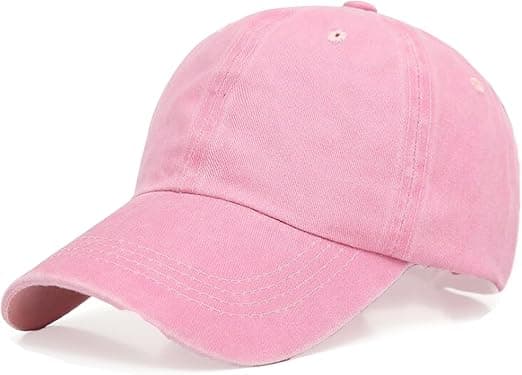
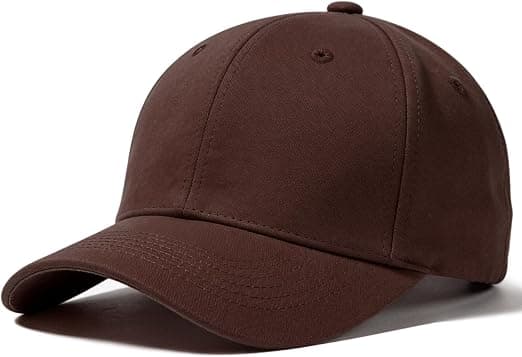
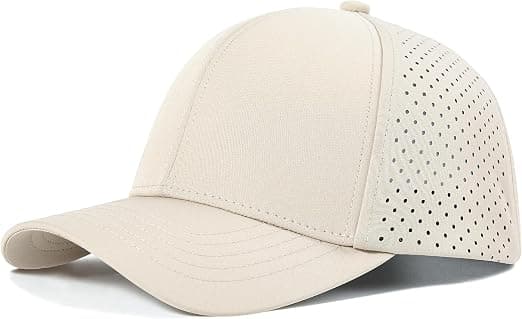
The first thing to assess is the physical quality of the cap itself, because that’s what your customer feels and judges you on. You can’t evaluate this from a website photo — you need a sample in your hands. When you have one, look past the logo and inspect the construction.
- Stitching: straight, even seams with no loose threads or skipped stitches.
- Brim: the right stiffness for the style, with no warping or visible glue.
- Sweatband: a comfortable, well-sewn band that won’t irritate or fray.
- Fabric and eyelets: consistent fabric weight and clean, neat ventilation eyelets.
- Closure: a strap, buckle or snaps that feel solid and adjust smoothly.
Demand consistency across a run
A supplier that makes one great sample but delivers an inconsistent bulk run is worse than useless. Consistency — across a single order and across re-orders months apart — is what separates a hobbyist from a manufacturer. A cap colour or shape that drifts between batches will quietly undermine your brand.
- Ask how they ensure colour and shape stay consistent from batch to batch.
- Order more than one sample if you can, and check they match each other.
- Ask about their quality-control process before caps ship.
- Confirm they can reproduce the same cap accurately on a future re-order.
Match their MOQs and range to your needs
A supplier is only a fit if their minimums and product range line up with where your brand actually is. A factory geared to 5,000-piece runs won’t serve a brand testing 50, and a supplier with a thin range will box you in as you grow.
- Check the MOQ suits your stage — low minimums let you test designs without overcommitting.
- Look for a range that covers the styles you want now and the ones you’ll want next.
- Confirm the colours and sizes you need are reliably available, not occasional specials.
- Ask whether they can scale with you as your volumes grow into better pricing.
Prefer a supplier who also decorates
You can buy blanks from one company and have them decorated by another, but a single partner who sources and decorates in-house removes a whole layer of risk and admin. There’s no shipping blanks between sites, no finger-pointing if something goes wrong, and one point of accountability for the finished product.
- In-house embroidery, printing and patches mean one team owns the whole result.
- Fewer handoffs means fewer delays and less chance of damage in transit between sites.
- A single quote covers blank plus decoration, making costs easier to compare and control.
- One contact handles approvals, samples, production and shipping end to end.
Anyone can send a perfect sample. The supplier worth keeping is the one whose hundredth cap looks exactly like the first.
Test their service, then ask the right questions
Quality matters, but so does whether a supplier is reliable to work with over many orders — the way they handle your enquiry and sample request tells you how they’ll handle a problem later. Note how quickly and clearly they answer, ask for specific production and shipping lead times, confirm delivery is tracked to your country, and clarify what happens if a batch arrives faulty. Then put every shortlisted supplier through the same set of questions; their answers, and how readily they give them, reveal who’s set up to be a real long-term partner.
- What’s your minimum order, and what are the price breaks above it?
- Can I get a sample, and is it the exact cap I’ll receive in bulk?
- Do you decorate in-house, and which methods do you offer?
- What are your production and shipping lead times, and is delivery tracked?
- How do you handle colour consistency and faulty batches?
If you’d like a partner that ticks those boxes, Velocity Wear sources and decorates custom caps under one roof — quality blanks, in-house embroidery, 3D puff, patches and printing — from a 50-piece minimum with bulk discounts as you scale. We ship tracked to the UK, USA, Europe and worldwide, and a free quote comes with the option of a sample, so you can judge the real cap in your hands before placing a full order.