Workwear Fabric Durability: What to Look For Before You Buy
By The Velocity Wear Team
Need this made?Get pricing for this product— free, no obligation, 50 pieces minimum.
Two work polos can look identical on a rail and cost a few pounds apart, yet one survives two years of daily wear and the other pills, fades and splits a seam within a month. The difference is rarely visible at a glance — it lives in the fibre, the weight, the weave, the construction and the finishes. Understanding those factors turns you from someone hoping a garment lasts into someone who can predict it. This guide breaks down what actually makes workwear durable, so you can spend your budget on garments that earn their keep instead of replacing failures.
Fibre choice: the foundation of durability
Durability starts at the fibre level. Natural and synthetic fibres each bring strengths and weaknesses, and the smartest workwear usually blends them to get the best of both. Knowing what each contributes lets you read a composition label and predict how a garment will behave long before you wash it. A common workwear blend, for instance, sits around two-thirds polyester to one-third cotton — enough polyester for strength and colour retention, enough cotton for comfort and breathability against the skin.
- Cotton: comfortable, breathable and soft, but wears, fades and shrinks more on its own.
- Polyester: strong, colour-fast and quick-drying, resisting wear and fading but trapping heat.
- Polycotton blends: the workwear workhorse, combining cotton comfort with polyester toughness.
- Performance and ripstop blends: engineered for abrasion resistance and tear-stopping strength in demanding roles.
Fabric weight tells you more than you think
Fabric weight, usually given in grams per square metre (GSM), is one of the most reliable durability signals you can check. Heavier fabric generally means more material, more robustness and a longer life — though there’s a trade-off with comfort and heat that you have to balance for the role. It’s the single easiest spec to compare across suppliers, and a suspiciously low weight is often the first clue that a keenly priced garment has been built down to a cost rather than up to a standard.
- Lightweight fabrics feel cool but wear thin faster and show damage sooner — fine for light, warm-weather use.
- Mid-weight fabrics balance durability and comfort, suiting most everyday workwear.
- Heavyweight fabrics last longest and resist abrasion best, ideal for tough environments where comfort is secondary.
- Match the weight to the work — there’s no point in a heavyweight jacket for a desk role or a flimsy tee for a workshop.
Weave, knit and how the fabric is built
Two fabrics of the same fibre and weight can wear very differently depending on how the yarn is constructed. A tighter, denser structure resists abrasion and snagging better than a loose, open one. This is why some garments hold up while others pill and thin in high-friction areas. You can feel the difference: hold a sample up to the light and a dense weave lets little through, while a loose one is visibly open and will wear at the elbows, cuffs and seat long before a tighter cloth of the same weight.
- Tightly woven fabrics resist abrasion, wind and snagging better than loose weaves.
- Twill and canvas weaves are tough and hard-wearing, common in trousers and jackets.
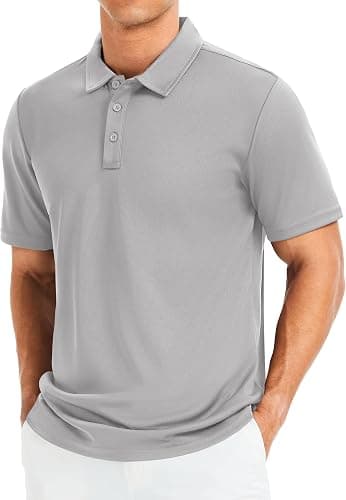
- Piqué knits give polos structure and durability while staying breathable.
- Ripstop weaves include reinforcing threads in a grid that stop small tears from spreading.
Construction: where garments actually fail
Fabric rarely fails first — seams do. The most durable cloth in the world is useless if the stitching gives way under stress. The way a garment is put together at its stress points is often the truest predictor of how long it will survive the job. Turn a sample inside out and look at the seams: clean, even, double rows of stitching with the thread ends secured signal a garment built to last, while loose, single-row seams with skipped stitches are a warning that it will come apart at exactly the moment you need it most.
- Double or triple stitching at seams handles stress far better than a single row.
- Bar-tacking or rivets at high-stress points — pockets, fly, cuffs — stop the common failure spots from tearing.
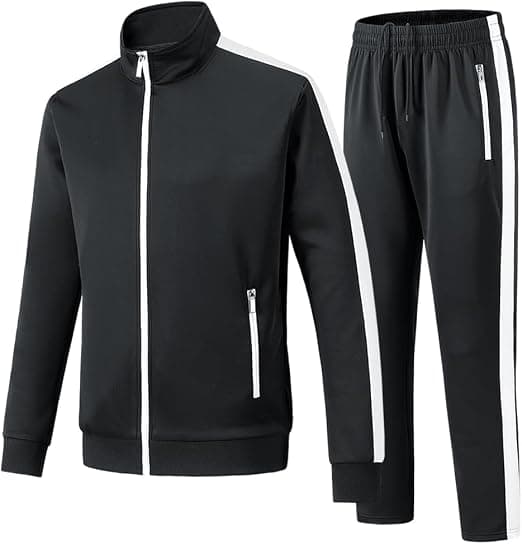
- Reinforced knees, elbows and seats extend life dramatically in trousers and jackets.
- Quality zips, buttons and fastenings matter — a broken zip can retire an otherwise good garment.
A garment is only as durable as its weakest seam. Inspect the stitching before you trust the fabric.
Finishes, washing and reading a sample
Beyond fibre and construction, modern workwear often carries finishes that protect against specific abuse — and how you launder it is part of its durability too. A large share of premature failure is self-inflicted through harsh washing, so a couple of minutes inspecting a sample and a sensible wash routine protect your whole order.
- Look for stain-release, water-repellent, anti-pill and colour-fast finishes suited to the environment.
- Wash at the recommended temperature and avoid harsh detergents, bleach and over-drying that break down fibres.
- Check the composition, weight, weave density and seam reinforcement against the demands of the role.
- Order a sample and, ideally, wash and wear it before committing to the full quantity.
When you want workwear that’s specified to last, Velocity Wear produces garments in durable polycotton, performance and heavyweight fabrics with reinforced construction, decorated by embroidery or print, from a 50-piece minimum with bulk discounts as your order grows. We ship tracked to the UK, USA, Europe and worldwide, and a free quote — with samples to inspect and wash-test — is the surest way to buy workwear that survives the job.