Hospitality Uniforms: A Complete Guide for Restaurants, Bars and Hotels
By The Velocity Wear Team
Need this made?Get pricing for this product— free, no obligation, 50 pieces minimum.
Hospitality uniforms do double duty in a way few other workwear categories manage. They have to look polished enough to shape a guest’s first impression, and tough enough to survive spills, heat, long shifts and constant washing. Get them right and your team looks like a single confident brand from the moment a guest walks in; get them wrong and you’re replacing faded, stained, ill-fitting garments every few months while your staff quietly resent them. This guide covers how to dress both front and back of house in uniforms that are practical, comfortable, on-brand and built for the realities of a busy venue.
Front of house vs back of house: different worlds
The single most useful thing you can do is stop thinking about “the uniform” and start thinking about two distinct jobs. Front of house — hosts, servers, bartenders and reception — is seen by guests and needs to look the part while staying comfortable through a long service. Back of house — chefs, kitchen porters and prep staff — works in heat, mess and pressure and needs durability, safety and ease of movement above all. Each calls for different fabrics, fits and decoration, even if a shared colour palette ties them together, and a handful of crossover roles like runners and baristas may need elements of both.
Dressing the front of house
Front-of-house uniforms are part of your interior design. They set tone — relaxed neighbourhood bistro, sharp cocktail bar, polished hotel — and they’re close enough to guests that small details show. The aim is a look that feels intentional and stays crisp from the start of service to the end.
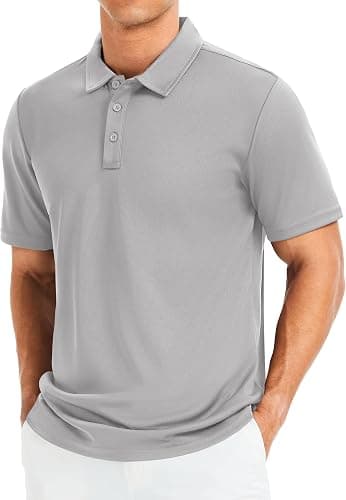
- Choose garments that match your venue’s tone: a fitted shirt and apron for a smart restaurant, a branded tee for a casual spot.
- Pick fabrics that resist creasing and hold their shape, so staff still look fresh five hours in.
- Keep colours practical — mid and dark tones hide the inevitable splashes better than pale shades.
- Add a discreet, well-placed logo rather than heavy branding, so the uniform reads as considered rather than corporate.
Dressing the back of house
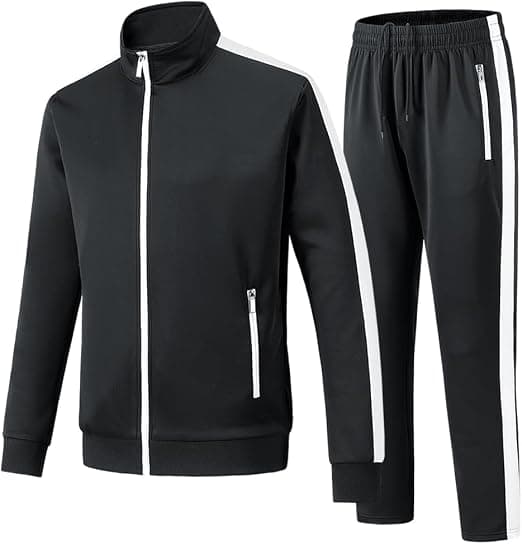
Kitchen uniforms are working clothes in the truest sense. Heat, oil, knives and steam are constant, so practicality wins every time, and comfort matters too — a chef on a twelve-hour line will feel every flaw in a garment, and discomfort becomes a safety issue when it distracts. In practice that means chef jackets and breathable tops that handle heat and protect against splashes; durable aprons that take a beating and wash clean in stain-hiding colours; hard-wearing trousers with room to move and squat, in patterns or dark shades that mask marks; and slip-aware footwear guidance with headwear where hygiene rules require it.
Fabric: the make-or-break decision
Hospitality is brutal on cloth. A uniform is washed constantly, exposed to food and drink, and worn through long, sweaty shifts, so choosing the right fabric is what stops your uniform budget turning into a monthly replacement bill. Prioritise fabrics rated for frequent, hot washing without fading or shrinking, favour blends that resist creasing for front of house and breathe well for back of house, and lean toward colours and finishes that disguise stains rather than advertise them. Above all, check that the fabric keeps its shape and colour after dozens of washes, not just the first few.
In hospitality, the cheapest uniform is rarely the one with the lowest price — it’s the one you don’t have to keep replacing.
Fit, branding and a cohesive team look
Hospitality shifts are long and physical — carrying plates, reaching across a bar, bending into a low fridge — so a uniform that pinches becomes miserable fast, and miserable staff don’t deliver great service. Fit and comfort here are not cosmetic; they directly affect how a team performs through hour ten of a busy service. Branding, meanwhile, should be subtle and consistent: guests notice a team that clearly belongs together far more than they notice a large logo.
- Offer proper men’s and women’s fits and a full size range, with freedom of movement across the shoulders and body.
- Choose breathable fabrics for hot environments so staff aren’t soaked by mid-shift.
- Use a small embroidered or printed logo, tying front and back of house together with a shared palette.
- Run a fit session before ordering so day-one garments fit and the rollout starts well.
Quantities, laundering and reordering
Because hospitality garments are washed so hard and so often, the practical logistics matter. You need enough per person to cover the wash cycle, and a painless way to replace and add as staff turn over — which they always do.
- Provide enough garments per person to cover a working week between washes.
- Decide early whether laundering is at home or commercial, and choose fabrics to suit.
- Keep a small buffer of stock for new starters and same-day spills, and set up a simple reorder process so adding sizes or replacing worn garments is quick.
When you’re ready to dress your venue, Velocity Wear produces complete hospitality uniforms — branded shirts, tees and polos for front of house, plus chef wear, aprons and durable trousers for the kitchen — with embroidery or print, men’s and women’s fits, and a 50-piece minimum that suits a single site or a small group. We ship tracked across the UK, USA, Europe and worldwide, and a free quote is the easiest way to get a uniform that looks the part and survives the shift.