A Guide to T-Shirt Fit Styles: Slim, Regular, Oversized and Beyond
By The Velocity Wear Team
Need this made?Get pricing for this product— free, no obligation, 50 pieces minimum.
Fit is the first thing a customer judges and the last thing many new brands think about. You can have the best fabric and the sharpest print, but if the shape is wrong for your audience the shirt goes back. Fit is also how a tee signals what kind of brand you are — a slim crew reads completely differently from a dropped-shoulder boxy cut, even in the same colour. This guide breaks down the main fit styles, explains the measurements that actually define them and helps you pick the right silhouette for the customer you’re trying to win.
The measurements that define a fit
Before naming the styles, it helps to know what actually changes between them. Fit is mostly governed by four measurements: chest width, body length, shoulder seam placement and sleeve length. A slim tee narrows the chest and shortens the body; an oversized tee widens the chest, drops the shoulder seam down the arm and lengthens the body. Once you can read those numbers on a size chart, the marketing names become much easier to decode.
- Chest width — the single biggest driver of how fitted or roomy a tee feels.
- Body length — controls whether the hem sits at the hip, below it or longer.
- Shoulder seam — sits on the shoulder for structured fits, drops down the arm for relaxed and oversized ones.
- Sleeve length and opening — shorter and tighter for fitted, longer and wider for oversized.
Slim and fitted
A slim or fitted tee follows the body closely through the chest and waist with a shorter body and higher-set shoulders. It flatters a lean or athletic frame and reads as modern, fashion-forward and tidy. The risk is that a true slim fit excludes a chunk of the market — anyone wanting room to move or a more forgiving cut. If you sell slim only, publish a clear size chart and consider sizing up your range to compensate.
Regular, classic and relaxed
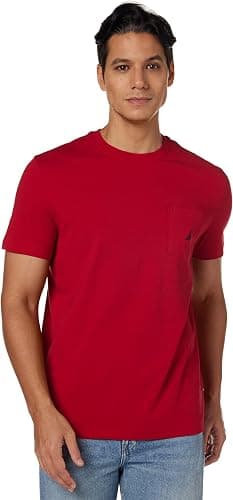
The regular fit is the safe, broadly flattering middle ground: a straight body that skims rather than hugs, shoulder seams sitting on the shoulder and a length that ends around the hip. It suits the widest range of body types, which is exactly why it dominates retail, promotional and event tees — if you only stock one fit, this is the one that disappoints the fewest people. Step up the roominess and you reach the relaxed fit, which adds space through the body and sleeves and may drop the shoulder slightly without going full oversized. Relaxed gives a comfortable, casual look that still reads as a normal tee, which is why lifestyle and workwear-inspired brands lean on it: it feels easygoing and inclusive without committing to a dramatic silhouette.
Oversized and boxy
Oversized and boxy fits are the signature of modern streetwear. A boxy cut is wide and short, often with a body width nearly equal to its length and a heavily dropped shoulder. An oversized cut adds length and volume all round. These shapes are deliberately loose, look intentional rather than ill-fitting and pair with heavyweight fabric to hold their structure. They’re trend-led, so they sell hard to a younger, fashion-aware audience but can date faster than classic cuts.
- Boxy: wide and short, dramatic dropped shoulder, sits best in 200 GSM and up.
- Oversized: roomy and long, relaxed across the whole garment, a streetwear staple.
- Both rely on heavyweight fabric to keep their shape rather than collapsing.
- Print placement shifts — designs often sit higher and centred to suit the boxy frame.
Women’s and unisex considerations
A true women’s or contoured fit is shaped at the waist and cut for a different shoulder-to-hip ratio, which many customers prefer over a unisex tee. Unisex (essentially a men’s block) is cheaper and simpler to stock but fits women more loosely. Decide early whether you’ll offer a dedicated women’s cut or position your unisex tee as intentionally relaxed — and say so clearly, because mismatched expectations drive most fit returns.
Customers forgive a lot, but they rarely forgive a fit that surprises them. Publish the numbers and let people choose.
Choosing the right fit for your brand
- Define your core customer and the silhouette they already wear.
- Pick a primary fit that matches your positioning — regular for broad appeal, boxy for streetwear, fitted for fashion.
- Always publish a measurements-based size chart, not just S–M–L labels.
- Order pre-production samples and try them on real bodies before committing.
- If budget allows, offer two fits — a classic and a relaxed — to cover more of the market.
Whatever silhouette your brand needs, Velocity Wear manufactures custom tees across fitted, regular, relaxed and oversized boxy blocks, with full sample runs before bulk so you can perfect the fit first. We produce from a 50-piece minimum with tiered bulk discounts and tracked delivery to the UK, USA, Europe and worldwide. Request a free quote and tell us your fit and audience — we’ll help you nail the shape before a single bulk shirt is cut.